Socializing Without Sacrificing: How I Spread My Money Smarter
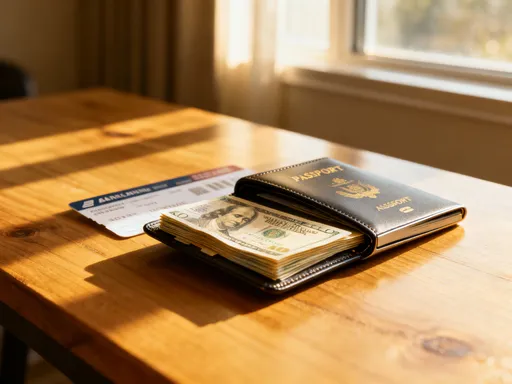
We’ve all been there—drinks with friends, concert tickets, dinner at that trendy new spot. Social life feels good, but my wallet? Not so much. I used to overspend just to keep up, until I realized: fun doesn’t have to drain your finances. The real win? Learning how to enjoy experiences *without* risking my financial future. That’s when I discovered the power of spreading my assets wisely—protecting my money while still saying “yes” to life. What began as a quiet frustration turned into a personal financial revolution. It wasn’t about cutting out joy; it was about redefining value. By treating every social choice as part of a broader financial picture, I stopped seeing money as a barrier to fun and started seeing it as the foundation for lasting freedom.
The Hidden Cost of Looking Like You’re Winning
Social spending often masquerades as simple enjoyment, but beneath the surface, it can carry a heavy emotional and financial toll. For many, especially women in their 30s and 40s balancing careers, family, and friendships, social events are not just leisure—they are lifelines. Yet the pressure to participate fully, to be seen at the right places with the right energy, can lead to choices that quietly undermine financial stability. A spontaneous weekend trip, a last-minute dinner reservation, or an impromptu gift exchange might feel like small gestures in the moment, but their cumulative effect can strain budgets and erode savings over time.
One of the most subtle yet damaging patterns is lifestyle inflation driven by peer influence. When friends begin frequenting upscale restaurants or posting pictures from exotic getaways, the unspoken message is clear: this is what success looks like. The desire to fit in, to feel included, or to project confidence can override financial caution. This isn’t vanity—it’s human nature. But when social validation becomes a currency, spending shifts from intentional to habitual. People begin to equate visibility with worth, and the cost of maintaining that image can become unsustainable.
Consider the common scenario of splitting a restaurant bill unevenly. One person orders a bottle of wine, another a dessert, while you stick to water and an appetizer. Still, the bill is divided equally. Saying no feels awkward; speaking up feels confrontational. So you pay your share, absorbing the extra cost to preserve harmony. Multiply this by dozens of similar moments each year, and the financial leakage becomes significant. These micro-decisions, made in the name of connection, can add up to hundreds—or even thousands—of dollars lost annually.
What makes this pattern especially dangerous is its invisibility. Unlike a major purchase such as a car or vacation, these expenses don’t trigger alarm bells. They’re woven into the fabric of daily life, disguised as normalcy. Yet they reflect a deeper truth: many people are not spending to enjoy life, but to perform it. Recognizing this shift—from joy-driven to image-driven spending—is the first step toward reclaiming control. Financial health begins not with rigid budgets, but with honest awareness of the emotional forces shaping our choices.
Why Fun Can Be Financially Risky
Enjoying life is not the problem—imbalance is. Spending on experiences is often celebrated as a sign of living fully, and rightly so. But when a disproportionate share of disposable income flows into entertainment and social outings, it creates what financial experts call concentration risk. This term, typically used in investing, describes the danger of relying too heavily on a single asset. The same principle applies to spending: when too much financial energy is focused on short-term pleasures, long-term goals suffer.
Imagine setting aside $300 a month for dinners, concerts, and weekend trips. That amount might seem manageable in the moment, but over ten years, it totals $36,000—money that could have been invested, saved, or used to reduce debt. More importantly, it represents lost compounding growth. If that same $300 were invested monthly in a diversified portfolio earning an average annual return of 6%, it would grow to over $48,000 in a decade. The opportunity cost of unchecked social spending isn’t just the money spent—it’s the wealth that never had a chance to grow.
This isn’t about guilt; it’s about trade-offs. Every dollar spent today is a dollar not available for tomorrow. When social spending becomes the default way to relax or connect, it crowds out other priorities. Emergency funds remain underfunded. Retirement contributions lag. Big life goals—buying a home, starting a business, supporting children’s education—get delayed. The irony is that people often spend to feel secure in their relationships, yet end up less secure in their finances.
The emotional payoff of socializing is real and valuable. Laughter with friends, shared meals, and memorable experiences contribute to well-being in ways that money alone cannot measure. But financial risk arises when these moments are funded at the expense of future stability. The key is not to eliminate fun, but to integrate it into a balanced financial plan. Just as a healthy diet includes occasional treats without derailing nutrition, a healthy financial life includes enjoyment without sacrificing long-term security. The goal is alignment: ensuring that today’s pleasures do not compromise tomorrow’s peace of mind.
Asset Diversification Isn’t Just for Stocks
Most people associate diversification with investing—spreading money across different asset classes to reduce risk. But this powerful principle extends far beyond the stock market. It applies equally to how we allocate our income across life’s competing demands. Just as a well-balanced investment portfolio includes stocks, bonds, and cash, a well-managed financial life includes savings, debt reduction, and responsible spending. When viewed this way, social expenses are not an exception to financial discipline—they are part of it.
Think of your finances as a garden. You wouldn’t plant only flowers, no matter how beautiful they are. A thriving garden needs a mix of blooms, shrubs, and trees—each serving a different purpose. Similarly, your money should be allocated across different “zones”: essential expenses, future security, and discretionary enjoyment. Socializing belongs in the last category, but only when the other areas are properly nourished. Without this balance, even the most joyful moments can come at the cost of long-term stress.
A practical way to apply diversification is to treat your monthly income like a financial portfolio. Allocate a specific percentage to each priority: housing, groceries, transportation, savings, and so on. Within the discretionary category, create a sub-category for social activities. This turns vague intentions into clear boundaries. Instead of asking, “Can I afford this dinner?” you ask, “Is this dinner aligned with my spending plan?” The shift is subtle but powerful. It moves decision-making from emotion to intention.
This approach also reframes guilt. Many people feel conflicted about spending on themselves or socializing, either because they believe they should be saving more or because they compare themselves to others. But when fun is planned and proportional, it becomes a legitimate part of financial health. You’re not overspending—you’re investing in your emotional well-being, just as you invest in your physical health through exercise or medical care. The discipline of diversification doesn’t restrict freedom; it creates the conditions for sustainable joy.
The Peer Pressure Portfolio: Mapping Your Social Spending
To manage what you don’t measure is nearly impossible. Yet most people have no clear picture of how much they spend on social activities. There’s no judgment in this—life is busy, and tracking every coffee or cocktail feels tedious. But without visibility, small leaks become financial floods. The solution isn’t rigid accounting, but mindful reflection. This is where the concept of the “peer pressure portfolio” comes in: a way to audit your social spending not just in dollars, but in emotional return.
Start by reviewing your last three months of bank statements. Identify every expense related to socializing—dinner out, event tickets, gifts, travel with friends, even ride-shares to meetups. Add them up. The total might surprise you. Then, go deeper. For each major outing, ask yourself: Did I feel energized afterward? Was the connection meaningful? Or did I leave feeling drained, either emotionally or financially? This isn’t about cutting out every costly event, but about understanding patterns. Are you consistently the one suggesting expensive venues? Do you feel pressured to match others’ spending? Are you using social outings to avoid stress at home?
Many women, especially those managing households or caring for aging parents, use social time as an emotional outlet. That’s healthy—but when it becomes the primary source of relief, spending can escalate. The goal is not to eliminate these moments, but to make them intentional. One effective strategy is to assign a “value score” to past experiences. On a scale of 1 to 10, how much did that concert, brunch, or girls’ trip truly enrich your life? Compare that to the cost. You may find that some of the most memorable moments—like a walk in the park or a home-cooked meal with close friends—cost little but scored high.
This reflective process builds financial self-awareness. It helps you distinguish between spending that aligns with your values and spending that responds to external pressure. Over time, you’ll begin to recognize triggers—certain friends, certain moods, certain times of year—that lead to overspending. With this knowledge, you can plan ahead. Instead of reacting, you respond with intention. You might suggest lower-cost alternatives, set a personal spending cap for outings, or schedule “free fun” days. The peer pressure portfolio isn’t about restriction—it’s about empowerment through clarity.
Building Your Anti-FOMO Finance Framework
Fear of missing out—FOMO—is one of the most powerful drivers of impulsive spending. It’s not just a millennial problem; it affects anyone who values connection and belonging. The thought of being left out of a group chat, a weekend getaway, or a milestone celebration can trigger anxiety strong enough to override financial caution. But FOMO doesn’t have to win. With a structured yet flexible approach, it’s possible to stay socially engaged without overspending.
The first step is setting personal boundaries. This doesn’t mean saying no to everything—it means defining what “yes” looks like on your terms. Decide in advance how much you’re comfortable spending on social activities each month. This number should reflect your overall financial goals, not someone else’s lifestyle. Once set, treat it like a commitment. If an invitation exceeds your budget, don’t panic. You have options. You can attend part of the event, suggest an alternative, or contribute in a non-financial way—like bringing a dish or helping plan the outing.
Communication is key. You don’t need to disclose your exact budget, but you can express preferences gently. “I’d love to join, but I’m trying to keep things low-key this month—any chance we could do a picnic instead?” or “I can’t make the whole weekend, but I’d love to meet up for coffee on Sunday.” These phrases preserve relationships while protecting your finances. Most people appreciate honesty, especially when it’s delivered with warmth and inclusion.
Another powerful strategy is to redefine what connection looks like. Social bonding doesn’t require expensive venues. Potlucks, game nights, hiking trips, or volunteer activities can create deeper connections than a pricey dinner. Rotating who hosts or chooses the activity ensures fairness and variety. Over time, these habits shift group culture toward more sustainable enjoyment. You’re not depriving yourself—you’re expanding the definition of fun. The anti-FOMO framework isn’t about isolation; it’s about choosing connection on your own terms.
When to Splurge (and How to Do It Safely)
Life is meant to be lived, not just budgeted. There are moments worth celebrating—milestones, reunions, bucket-list experiences—that deserve more than a modest spend. The issue isn’t splurging; it’s *unplanned* splurging. When big expenses hit without warning, they disrupt cash flow, increase stress, and can derail progress. But when indulgences are intentional and funded in advance, they become sources of joy, not regret.
The secret is the “fun fund”—a dedicated savings account for planned pleasures. Instead of waiting for a bonus or relying on credit, you set aside a small amount each month specifically for experiences. $50, $100, or more, depending on your income—what matters is consistency. Over time, this fund grows, giving you permission to say yes without guilt. When concert tickets go on sale or a friend invites you on a trip, you can check your fun fund balance instead of your credit limit.
This approach transforms spending from reactive to strategic. You’re no longer choosing between debt and disappointment. You’re making room for what matters. And because the money is saved in advance, the experience feels richer. You’re not just paying for a ticket—you’re paying with intention, with effort, with pride. That changes the emotional value of the purchase.
Timing matters, too. Align big spends with income cycles—after a tax refund, bonus, or side income payment. This reduces strain on your regular budget. You might also prioritize one major experience per year, letting it be truly special instead of one of many scattered indulgences. The goal isn’t to limit joy, but to deepen it. When you plan your splurges, you gain control. You’re not spending because you’re pressured—you’re spending because you’ve chosen to. That’s the difference between financial stress and financial freedom.
Long-Term Gains: Wealth You Can Actually Enjoy
True financial success isn’t measured by how much you save, but by how well you live. The women who thrive financially aren’t the ones who never spend—they’re the ones who spend with purpose. They understand that money is a tool, not a master. Every dollar allocated wisely is a step toward greater freedom. And the most powerful form of wealth is the kind that lets you enjoy life today while securing it for tomorrow.
Consider the long-term impact of small, consistent changes. Saving $150 a month by choosing lower-cost social options and redirecting that amount into a retirement account can grow to over $100,000 in 20 years, assuming a 6% annual return. That’s not deprivation—that’s strategy. It’s the quiet power of compounding, working in your favor. The money you don’t spend on overpriced drinks or obligatory gifts becomes the foundation for future choices: a home upgrade, early retirement, or the ability to support loved ones when they need it.
But wealth isn’t just about numbers. It’s about peace. It’s waking up without dread about your bank balance. It’s saying yes to a meaningful trip because you’ve saved for it, not because you’re charging it. It’s knowing that your social life enriches you without exhausting you. This is the ultimate return on financial discipline: not restriction, but expanded possibility.
The journey isn’t about perfection. There will be months when you overspend, when FOMO wins, when you prioritize connection over caution. That’s okay. What matters is direction. Are you moving toward greater awareness? Are you making more intentional choices? Are you building a life where money serves you, not controls you? These are the questions that lead to lasting change.
In the end, the goal isn’t to stop socializing—it’s to socialize smarter. To enjoy the people you love without compromising the future you’re building. To find balance, not burnout. To create a financial life that reflects your values, not someone else’s expectations. When you spread your money as wisely as you spread your time and energy, you unlock a deeper kind of wealth—one that lasts, one that matters, one that lets you live fully, freely, and with confidence.