When Disaster Strikes, This Is How I Protect My Money
Natural disasters don’t just destroy homes—they can wipe out savings too. I learned this the hard way when floods disrupted markets and froze my investments. That’s when I realized: real financial resilience isn’t about chasing returns, it’s about staying safe when everything goes sideways. In this article, I’ll walk you through how to structure your investments before disaster hits—so you don’t lose everything when nature strikes. It’s not about predicting the unpredictable, but about preparing for it with calm, clarity, and a strategy built on stability. The truth is, most financial plans assume steady conditions, but when storms, earthquakes, or wildfires hit, those assumptions can collapse as quickly as power lines in a hurricane. What matters most isn’t how much you’ve earned—it’s whether you can keep it when the world around you is changing in an instant.
The Hidden Financial Risk No One Talks About
Natural disasters are no longer just environmental emergencies—they have become financial threats with long-lasting economic consequences. While many families focus on emergency kits, evacuation routes, and home insurance, few consider how these events can quietly erode their investment portfolios. When a major hurricane hits a coastal region, it doesn’t just damage buildings; it disrupts supply chains, halts production, and triggers sharp declines in local stock values. Similarly, wildfires can impair transportation networks, affect air quality-sensitive industries, and reduce consumer spending in affected areas. These ripple effects can lead to sudden drops in asset prices, even for investors who live far from the disaster zone. The reality is that modern markets are deeply interconnected, and a crisis in one region can send shockwaves through global financial systems.
Traditional investment strategies often fail in these moments because they assume gradual market movements and reliable access to information and liquidity. But during a natural disaster, markets can become highly volatile, with sharp sell-offs driven by fear and uncertainty. For example, after a major earthquake, companies with centralized operations in the affected area may see their stock values plummet, not due to poor management, but because their infrastructure is compromised. Similarly, regional banks heavily invested in local real estate can face liquidity crises when property values decline suddenly. These are not isolated incidents—they reflect a broader vulnerability in portfolios that lack resilience planning. Investors who rely solely on historical performance or sector trends may be unprepared for the sudden, non-economic shocks that disasters bring.
One of the most overlooked risks is geographic concentration. Many investors unknowingly tie their wealth to a single region, whether through real estate holdings, local business investments, or employment-based retirement accounts. When that region faces a natural disaster, multiple sources of financial stability can be undermined at once. A homeowner who also holds municipal bonds and works for a local company may face simultaneous losses in housing value, investment returns, and income—all triggered by the same event. This kind of systemic exposure is often invisible until it’s too late. The solution is not to abandon local investments entirely, but to recognize their limitations and balance them with broader, more resilient assets.
Another critical gap is in liquidity. During disasters, digital banking systems may go offline, ATMs may run out of cash, and financial institutions may temporarily freeze transactions. Investors who keep all their funds in digital-only accounts or long-term investments may find themselves unable to access cash when they need it most. This is not just an inconvenience—it can force difficult financial decisions under pressure, such as selling assets at a loss to cover immediate expenses. The lesson is clear: financial safety isn’t just about how much you have saved, but how quickly and reliably you can access it when normal systems break down. Recognizing these hidden risks is the first step toward building a portfolio that can withstand not just market cycles, but real-world disruptions.
Building a Resilient Investment Core: Think Like a Survivor
Just as a well-stocked emergency kit includes water, food, and medicine, a financially resilient portfolio needs a core of stable, reliable assets. These are not the high-flying stocks that grab headlines during bull markets, but the steady performers that hold their ground when chaos strikes. Short-duration bonds, for instance, are less sensitive to interest rate swings and can provide predictable income even when markets are turbulent. Treasury-protected securities, such as inflation-indexed bonds, offer another layer of safety by adjusting returns based on economic conditions, helping to preserve purchasing power over time. Dividend-paying utility companies also play a key role—they serve essential needs, operate with regulated pricing, and often continue paying shareholders even during downturns.
The goal of this resilient core is not to maximize short-term gains, but to minimize catastrophic losses. In financial terms, these assets act as ballast, counterbalancing the more volatile parts of a portfolio. When stock markets plunge due to a natural disaster, having a portion of your wealth in stable instruments can prevent total erosion of value. This doesn’t mean avoiding growth investments altogether—rather, it means structuring your portfolio so that a crisis doesn’t force you to start over. Think of it like building a house on solid foundation stone rather than sand. Even if the storm damages the roof, the structure remains intact.
Diversification is central to this strategy, but not just the kind that spreads money across different stocks or sectors. True resilience requires diversification across geographies, economic functions, and operational models. For example, investing in companies with remote operations—such as cloud-based service providers or global logistics firms—reduces dependence on any single physical location. Similarly, assets tied to essential services like clean water, energy distribution, or medical supply chains are more likely to remain in demand regardless of local disruptions. These are not speculative bets; they are strategic choices based on necessity and durability.
Another important consideration is correlation. Low-correlation assets are those that do not move in tandem with the broader market. When traditional stocks fall, certain alternative investments—such as managed futures, real assets, or infrastructure funds—may hold steady or even rise. While these are not suitable for every investor, understanding their role can help in crafting a more balanced approach. The key is to avoid overexposure to any single type of risk. By building a core that prioritizes stability, income, and low volatility, investors create a financial anchor that can hold firm even when external conditions become unpredictable.
Geographic Diversification: Don’t Put All Your Eggs in One Natural Disaster Zone
One of the most common yet dangerous financial habits is concentrating investments in a single region—especially one prone to natural disasters. Coastal properties may offer scenic views and strong rental demand, but they also carry elevated risks from hurricanes, rising sea levels, and storm surges. Similarly, homes and businesses in wildfire-prone areas of the western United States face increasing threats as climate patterns shift. When a disaster strikes, the impact isn’t limited to physical damage; it extends to asset values, insurance costs, and long-term market confidence. Investors who have a large portion of their net worth tied to these regions may experience cascading losses across real estate, local stocks, and community-based financial institutions.
Geographic diversification is a powerful way to reduce this vulnerability. By spreading investments across multiple regions—both domestically and internationally—investors can limit their exposure to any single event. For example, a portfolio that includes real estate investment trusts (REITs) in diverse climates, from the Midwest to the Pacific Northwest, is less likely to be devastated by a single hurricane season. Similarly, owning shares in multinational corporations with operations in stable, low-risk areas can provide a buffer when one region faces disruption. These companies often have contingency plans, redundant facilities, and global supply chains that allow them to maintain operations even when one location is affected.
Consider the case of technology firms with distributed data centers. Unlike businesses that rely on a single headquarters or manufacturing plant, these companies can reroute operations seamlessly if one facility goes offline. This operational resilience translates into financial resilience for investors. The same principle applies to financial institutions. Regional banks may struggle after a local disaster, but national or global banks with diversified lending portfolios are better equipped to absorb losses and continue functioning. By choosing investments that are not tied to a single location, investors gain protection against localized shocks.
Red flags to watch for include overexposure to sectors highly sensitive to environmental conditions. For instance, agricultural investments in drought-prone areas may face declining yields and higher insurance premiums. Real estate in flood zones may see rising costs for coverage or difficulty securing financing. These are not reasons to avoid such investments entirely, but signals to balance them with more stable alternatives. Rebalancing might mean shifting some funds into infrastructure projects in less vulnerable regions, or investing in companies that provide disaster-resistant solutions, such as flood barriers or fire-resistant building materials. The goal is not to eliminate risk, but to manage it wisely by ensuring that no single event can undo years of financial progress.
Sector Selection: Which Industries Thrive When Others Crumble?
While many industries suffer during natural disasters, others experience increased demand and stronger performance. Understanding this dynamic can help investors position their portfolios to not only survive but potentially benefit from crisis conditions. Sectors such as renewable energy, telecommunications, medical supplies, and remote services often see growth when traditional operations are disrupted. For example, after a hurricane knocks out power grids, demand for solar panels, battery storage, and microgrids increases. Communities and businesses seek more resilient energy solutions, creating opportunities for companies in the clean energy space. Similarly, when wildfires force evacuations, communication networks become essential for coordination, boosting the value of reliable telecom providers.
Medical supply companies also tend to remain strong during emergencies. Whether it’s first-aid equipment, air purifiers for smoke-filled regions, or portable medical devices, these products are in high demand when disasters strike. Hospitals and clinics need to maintain operations, and individuals prepare their emergency kits, driving consistent revenue for manufacturers and distributors. Unlike consumer discretionary sectors—such as tourism or retail—healthcare essentials are less sensitive to economic downturns or temporary displacement. This makes them a more stable investment during uncertain times.
Remote services have gained even greater importance in recent years. With more people working, learning, and accessing services online, companies that provide cloud computing, cybersecurity, and digital collaboration tools are better positioned to maintain operations regardless of physical disruptions. A software company with a fully remote workforce can continue serving clients even if its home office is inaccessible. This operational flexibility translates into financial stability, making such businesses attractive to long-term investors. Additionally, companies that invest in disaster preparedness—such as those developing early warning systems, drone-based damage assessment, or AI-driven weather prediction—offer both social value and potential financial returns.
The key to successful sector selection lies in analyzing three factors: operational flexibility, supply chain redundancy, and customer necessity. Companies that score high on these metrics are more likely to endure and recover quickly. For instance, a manufacturer with multiple production sites can shift output if one plant is damaged. A service provider with decentralized logistics can reroute deliveries around blocked roads or closed airports. And businesses offering essential goods—like clean water, electricity, or medical care—are less likely to see demand drop, even in economic downturns. By focusing on industries that meet real, ongoing needs, investors can build portfolios that are not only resilient but also aligned with long-term trends in sustainability and innovation.
Liquidity Matters: Why Access to Cash Can Save Your Financial Life
When a natural disaster strikes, the ability to access cash quickly can make the difference between recovery and financial crisis. Power outages, internet disruptions, and physical damage to banks can prevent investors from withdrawing funds, transferring money, or paying bills. In such moments, having liquid assets—money that can be accessed immediately without penalties or delays—becomes essential. This is not just about emergency spending on food, fuel, or temporary housing; it’s also about maintaining financial flexibility. Without access to cash, investors may be forced to sell long-term investments at a loss, take on high-interest debt, or miss critical payments that affect their credit and future opportunities.
A well-structured liquidity strategy includes multiple layers of accessible funds. High-yield savings accounts offer a safe place to keep emergency funds while earning modest interest. Unlike traditional savings accounts, they often come with digital access and no monthly fees, making them practical for both daily use and crisis response. Money market funds are another option—they typically invest in short-term, high-quality debt securities and offer slightly higher returns while maintaining stability. These funds are available through brokerage accounts and can be converted to cash quickly, providing a bridge between long-term investments and immediate needs.
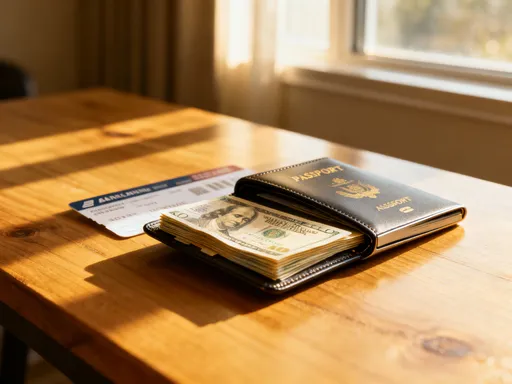
Some investors also choose to keep a small portion of their reserves in physical forms, such as securely stored precious metals or cash in a fireproof safe. While this should never represent a large share of one’s portfolio, having tangible assets can be valuable when digital systems fail. For example, during a prolonged blackout, credit card terminals and online banking may be unavailable, but physical currency can still be used for essential purchases. The key is balance: too much cash erodes value over time due to inflation, but too little can leave you vulnerable when systems are down.
It’s also important to avoid overreliance on digital-only platforms. While online banks often offer higher interest rates, they may lack physical branches, making in-person assistance impossible during a crisis. If identity verification systems fail or accounts are locked due to unusual activity, regaining access can take days or weeks—time most families don’t have in an emergency. A better approach is to maintain accounts with institutions that offer both digital convenience and physical support. Additionally, setting up automatic transfers to a dedicated “disaster-access” fund ensures that liquidity is consistently maintained without requiring constant monitoring. This fund should be separate from regular emergency savings, specifically earmarked for crisis situations where normal financial channels are disrupted.
Insurance and Hedging: Smart Layers of Financial Protection
While traditional insurance—such as homeowners, flood, or auto policies—provides essential coverage for physical damage, savvy investors go further by using financial tools to hedge against broader market risks. Hedging is not about profiting from disaster, but about reducing the potential for catastrophic financial loss. One common strategy is using options contracts, which allow investors to lock in selling prices for their assets. For example, an investor holding a large position in a regional utility company could purchase put options to protect against a sharp decline if a natural disaster damages infrastructure. If the stock falls, the options increase in value, offsetting some of the loss.
Another tool is inverse exchange-traded funds (ETFs), which rise in value when the market falls. These are not meant for long-term holding, but can serve as a short-term buffer during periods of extreme volatility. For instance, after a major earthquake disrupts a key economic region, an investor might temporarily allocate a small portion of their portfolio to an inverse ETF linked to that area’s stock index. This doesn’t eliminate risk, but it can help preserve capital until the situation stabilizes. It’s important to note that these instruments require understanding and caution—they are not suitable for beginners and should be used as part of a broader risk management plan, not as speculative bets.
Catastrophe bonds, or “cat bonds,” are another advanced hedging option. These are issued by insurance companies or governments to transfer disaster risk to investors. If a specified event—such as a hurricane of a certain strength—occurs, the bond’s principal may be forfeited to cover claims. In exchange, investors receive higher yields during normal conditions. While this involves accepting some risk, it also provides diversification, as cat bond returns are not closely tied to traditional markets. For experienced investors, they can be a way to earn income while contributing to disaster resilience efforts.
The goal of these strategies is not to predict disasters, but to prepare for their financial impact. Just as a homeowner installs storm shutters not because they expect a hurricane every year, but because the protection is worth the cost, financial hedging is about prudence, not pessimism. By layering insurance with strategic financial tools, investors create a multi-tiered defense system. This doesn’t guarantee immunity from loss, but it significantly improves the odds of emerging from a crisis with financial stability intact.
Long-Term Mindset: Staying Calm When Markets Panic
Perhaps the greatest challenge after a natural disaster is not the event itself, but the emotional response it triggers. Markets often react with fear, leading to sharp sell-offs and volatile swings. In these moments, the instinct to act—especially to sell falling assets—can be overwhelming. But history shows that investors who panic and liquidate their holdings at the bottom of a downturn often lock in permanent losses. The real test of financial strength is not how much you earn during good times, but how well you preserve wealth during crises. A long-term mindset, grounded in discipline and preparation, is the best defense against emotional decision-making.
One effective strategy is to establish pre-disaster rules. For example, an investor might decide in advance not to make any portfolio changes for at least 30 days following a major event, unless absolutely necessary. This cooling-off period allows emotions to settle and information to stabilize. Automated systems, such as scheduled investments or stop-loss limits, can also help maintain consistency without requiring active intervention. Working with a financial advisor can provide an additional layer of objectivity, offering guidance based on data rather than emotion.
It’s also important to remember that markets often overreact in the short term. After a disaster, asset prices may drop not because of fundamental weaknesses, but due to fear and uncertainty. Over time, resilient companies recover, infrastructure is rebuilt, and economic activity resumes. Investors who maintain their positions—or even selectively invest in undervalued assets—can benefit from the rebound. This doesn’t mean taking on unnecessary risk, but rather sticking to a well-considered plan that accounts for volatility.
True financial resilience is built over time, through careful planning, diversification, and emotional discipline. It’s about creating a portfolio that reflects not just financial goals, but life realities—including the possibility of unexpected disruptions. By preparing in advance, staying informed, and avoiding impulsive reactions, investors can protect their wealth and emerge stronger, no matter what challenges arise. In the end, the most powerful financial tool is not a high-return stock or a complex derivative, but the calm certainty that comes from knowing you are ready for whatever comes next.