Art Meets Street: Where San Diego’s Soul Sells in Full Color
You know that feeling when art doesn’t just hang on a wall but lives and breathes in the streets? That’s San Diego for you—where creativity spills into shops, alleys, and markets. I didn’t expect to fall in love with a city’s vibe the way I did here. From hand-painted ceramics to local galleries doubling as boutiques, every corner tells a story. This is more than shopping—it’s collecting moments. Let me show you where art becomes something you can hold.
The Pulse of Creativity: Why San Diego’s Art Scene Feels Different
San Diego’s artistic spirit is shaped by more than talent—it thrives on atmosphere. The city basks in a Mediterranean climate, where golden sunlight drapes over coastal cliffs and soft breezes carry the scent of salt and blooming jasmine. This natural beauty doesn’t just inspire artists; it becomes part of their work. The clarity of light here enhances color, making murals appear more vivid and paintings more luminous. It’s no surprise that so many local artists cite the city’s unique illumination as a muse, shaping palettes that mirror sunsets over the Pacific or the turquoise shimmer of La Jolla Cove.
Beyond the environment, San Diego’s cultural identity is a quiet fusion of influences. Its proximity to the Mexican border infuses the city with vibrant folk traditions—hand embroidery, papel picado, and talavera-style ceramics appear in markets and galleries alike. At the same time, the city’s deep-rooted surf culture contributes a relaxed, rebellious aesthetic. Board shapers double as painters, and beachside murals often feature wave patterns interwoven with abstract figures. This blend of heritage and lifestyle creates an artistic language that feels both rooted and evolving.
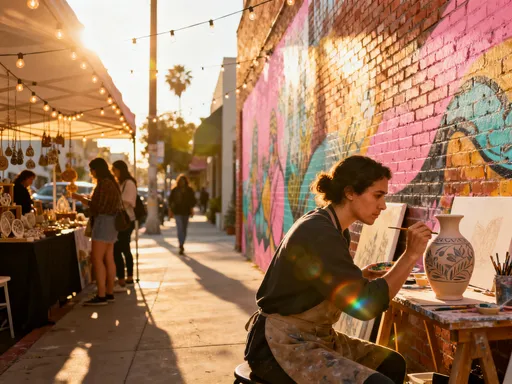
What truly sets San Diego apart, however, is the accessibility of its art. Unlike cities where galleries feel exclusive or intimidating, here creativity flows into public spaces. Artists open their studios on weekends, host sidewalk displays, and collaborate with cafes to showcase their work. The result is a scene where visitors don’t just observe art—they interact with it. Whether watching a potter shape clay in real time or chatting with a painter about their latest mural, the experience feels personal, almost familial. It’s not about prestige; it’s about connection.
This approach transforms shopping from a transaction into a dialogue. When you buy a hand-thrown bowl or a signed print, you’re not just acquiring an object—you’re bringing home a piece of a conversation, a moment of shared inspiration. The city’s laid-back energy encourages this kind of engagement, where time slows and discovery replaces urgency. In San Diego, art isn’t confined to white walls. It’s in the air, the light, the rhythm of daily life—and in the hands of those who create it.
La Jolla Arts District: Elegance with an Edge
Nestled along the coast with panoramic ocean views, La Jolla’s arts district offers a refined yet inviting atmosphere where sophistication meets authenticity. Known for its upscale boutiques and seaside charm, this neighborhood also harbors a thriving artistic community that resists pretension. Galleries here don’t just display art—they invite visitors in. Many operate as hybrid spaces, combining exhibition rooms with working studios where artists paint, sculpt, or glaze ceramics while patrons browse.
One of the district’s standout features is its commitment to artist visibility. On any given afternoon, you might find a landscape painter explaining her technique to a curious guest or a sculptor adjusting a bronze figure in the courtyard. Places like the La Jolla Art Association Gallery and the Athenaeum Music & Arts Library regularly host open studio days, where visitors can witness the creative process firsthand. These moments of access make the art feel alive, transforming static pieces into stories in progress.
While La Jolla is home to high-end galleries representing established artists, it also supports emerging talent through curated pop-ups and rotating exhibits. Some boutiques blend fine art with functional design, offering handcrafted jewelry, limited-edition prints, and artisan ceramics alongside paintings. These hybrid shops reflect a growing trend—art that is not only beautiful but usable, meant to be integrated into daily life rather than locked behind glass.
What makes shopping in La Jolla uniquely rewarding is the balance it strikes between luxury and intimacy. You can admire a $10,000 oil painting one moment and purchase a $45 hand-painted coaster the next, each piece carrying the same level of care and craftsmanship. The district’s walkable layout, shaded by palm trees and punctuated by ocean breezes, encourages slow exploration. There’s no rush, no pressure—just the pleasure of discovering something original, something meaningful, something that feels like it was made just for you.
Little Italy’s Mercato: Where Farmers Meet Makers
Every Saturday morning, Little Italy transforms into a lively celebration of community, flavor, and handmade artistry. The Mercato, officially known as the Little Italy Farmers Market, stretches over two city blocks and draws thousands of locals and visitors alike. While fresh produce, artisan breads, and gourmet food stalls dominate the scene, a growing number of artisan vendors have turned this market into a destination for original, handcrafted goods.
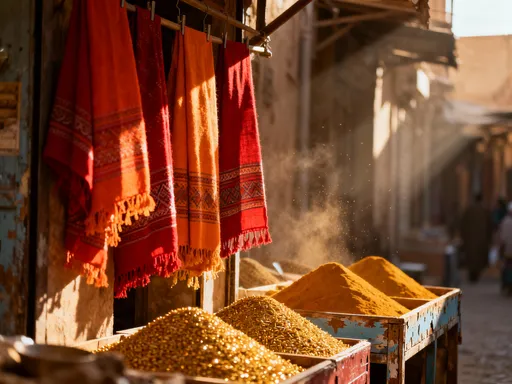
Wandering through the Mercato, you’ll find tables adorned with hand-stitched textiles, hand-beaded jewelry, and ceramic pieces glazed in earthy tones and ocean blues. Many of these artists live in San Diego, drawing inspiration from the region’s natural beauty and cultural diversity. One vendor might specialize in linen napkins embroidered with native wildflowers, while another sells driftwood sculptures painted with subtle metallic finishes. These aren’t mass-produced souvenirs—they’re one-of-a-kind creations born from passion and patience.
The sensory richness of the Mercato enhances the shopping experience. The scent of rosemary focaccia mingles with the earthy aroma of fresh soil from potted succulents. Live music—often acoustic folk or Latin guitar—drifts through the air, adding rhythm to your stroll. Children run between stalls, clutching handmade kites or painted wooden toys. Every sense is engaged, making the act of shopping feel less like a chore and more like a festival of everyday beauty.
What makes the Mercato special is its emphasis on direct connection. Artists are present at their booths, eager to share the story behind their work. You might learn that a ceramicist sources her clay from local deposits or that a jewelry maker uses recycled silver to honor sustainable practices. These conversations deepen the value of each purchase, turning a simple transaction into a moment of human exchange. By supporting these makers, you’re not just buying art—you’re investing in a local dream, helping keep handmade craftsmanship alive in an age of mass production.
North Park’s Indie Soul: Murals, Markets, and Micro-Galleries
If San Diego has a creative heartbeat, it pulses strongest in North Park. This neighborhood radiates grassroots energy, where art isn’t something you go to see—it’s something you walk through, stumble upon, and absorb. Colorful murals cover building facades, alleyways double as open-air galleries, and small studios double as retail spaces. Walking through North Park feels like flipping through the sketchbook of a deeply observant artist—one who captures the city’s soul in bold lines and unexpected details.
The murals here are more than decoration; they’re cultural landmarks. Painted by local and visiting artists, they depict everything from native flora and fauna to abstract expressions of identity and community. Some celebrate San Diego’s Chicano heritage with vibrant iconography, while others explore environmental themes or urban life. These works change over time, with new pieces appearing as older ones fade, creating a dynamic, ever-evolving canvas. Visitors are encouraged to photograph them, but more importantly, to pause and reflect on the messages they carry.
Beyond the walls, North Park is home to a network of micro-galleries and artist-run shops. These intimate spaces often operate out of converted garages or storefronts, offering a curated selection of ceramics, prints, textiles, and mixed-media works. Unlike traditional galleries, many of these spots have no formal hours—instead, they open during community events or by appointment. This informality fosters authenticity, allowing artists to control how their work is presented and shared.
One of the most rewarding experiences in North Park is attending the monthly “Art Walk,” held on the second Saturday of each month. During this event, galleries, studios, and cafes open their doors to the public, often featuring live demonstrations, wine tastings, and pop-up performances. It’s not uncommon to see a ceramicist throwing a pot on a wheel in the middle of a coffee shop or a printmaker offering custom greeting cards on the sidewalk. These spontaneous moments capture the neighborhood’s spirit—creative, inclusive, and deeply human.
Seaport Village Reimagined: From Tourist Stop to Art Destination
Once dismissed as a generic shopping plaza for tourists, Seaport Village has undergone a thoughtful transformation. No longer just a place for keychains and T-shirts, it now serves as a curated platform for local artists and craftspeople. While the waterfront location—with its sweeping views of San Diego Bay and passing sailboats—remains a major draw, the focus has shifted toward authentic, handmade goods that reflect the city’s creative identity.
Today, Seaport Village features a rotating roster of artisan vendors, many of whom participate in seasonal markets or weekend pop-ups. You’ll find hand-poured soy candles infused with coastal scents like sea salt and sage, leather goods stitched by local artisans, and hand-printed tote bags featuring vintage-inspired San Diego landmarks. These products are not imported from overseas factories; they’re made in garages, studios, and workshops across the region, often by the very people selling them.
The redesign of the space has also prioritized art integration. Sculptural installations dot the walkways, and temporary exhibits showcase works from emerging artists. Some displays are interactive, inviting visitors to leave notes or contribute to a community art piece. These efforts transform the area from a passive shopping destination into an active cultural experience. Even the layout encourages lingering—benches face the water, fountains provide soothing background noise, and shaded patios offer quiet spots to reflect.
Perhaps the most powerful enhancement is the way art and environment complement each other. As you browse a table of hand-painted coasters, you can glance up to see the sun dipping below the horizon, casting pink and gold streaks across the water. That moment—when the art in your hands mirrors the beauty around you—creates a deep sense of place. Seaport Village no longer feels like a stopover. It feels like a celebration of San Diego’s creative spirit, accessible to all.
Balboa Park’s Hidden Gems: Art Beyond the Museums
Balboa Park is world-renowned for its museums, botanical gardens, and Spanish Colonial architecture. But beyond the grand institutions lie quieter, often overlooked spaces where art becomes tangible and personal. Tucked inside museum gift shops and cultural center lobbies are small craft boutiques offering handcrafted items created by local artists. These aren’t souvenir stands in the traditional sense—they’re carefully curated extensions of the museum experience, where visitors can take home a piece of the inspiration they’ve just absorbed.
The Museum of Us, for example, carries a selection of artist-made jewelry inspired by indigenous designs, as well as books and prints that explore cultural anthropology through visual storytelling. The San Diego Art Institute’s shop features limited-run prints by member artists, often depicting urban landscapes or abstract interpretations of coastal life. Even the gift shop at the Timken Museum includes hand-bound journals and ceramic bookends made by regional artisans, blending elegance with functionality.
These shops serve an important role: they bridge the gap between observation and ownership. After spending an hour contemplating a painting or sculpture, you might find a small print or handmade object that echoes the same themes. It’s a way to extend the emotional impact of the museum visit into daily life. A ceramic mug with a geometric pattern reminiscent of a displayed textile, or a postcard-sized painting of a local canyon, becomes more than a keepsake—it’s a reminder of what moved you.
Shopping in these spaces also supports the institutions themselves. Proceeds often go toward educational programs, exhibitions, and artist residencies, creating a cycle of cultural sustainability. By purchasing a locally made item, you’re not just treating yourself—you’re contributing to the preservation and growth of San Diego’s artistic community. In this way, Balboa Park becomes more than a destination for art lovers. It becomes a living ecosystem where creation, appreciation, and support are deeply intertwined.
How to Shop Like a Local: Tips for Meaningful Art Finds
To truly experience San Diego’s art scene, it helps to shift your mindset from tourist to explorer. Instead of rushing from one landmark to the next, slow down and let curiosity guide you. One of the best ways to do this is by aligning your visit with local art events. The monthly “First Friday” art walks in North Park and Downtown are ideal opportunities to meet artists, attend gallery openings, and discover hidden studios. These events are free, welcoming, and designed for connection.
When shopping for art, look for signs of authenticity. Hand-signed pieces, artist labels, and locally sourced materials are strong indicators of original work. Don’t hesitate to ask questions—most artists are happy to discuss their process, inspiration, and materials. If a vendor seems unsure or the items appear mass-produced, it’s likely they’re reselling imported goods rather than creating original art. Staying mindful of this distinction ensures your support goes directly to local creators.
Another tip is to explore neighborhoods beyond the main tourist corridors. While places like the Gaslamp Quarter have charm, they often feature generic souvenirs. In contrast, side streets in North Park, Barrio Logan, or City Heights are more likely to host genuine artist studios and independent boutiques. These areas may require a bit more effort to navigate, but the rewards are greater—a unique piece, a memorable conversation, a deeper understanding of the city’s creative soul.
Finally, embrace the idea of slow shopping. Instead of checking off a list, allow yourself to wander without a plan. Sit in a courtyard, sip coffee, and observe. Let the art find you. Some of the most meaningful discoveries happen by accident—a mural around a corner, a tiny shop with a hand-painted sign, a chance encounter with an artist arranging their display. When you approach art shopping this way, it ceases to be consumerism. It becomes a form of storytelling, a way to carry a piece of San Diego’s spirit with you long after you’ve left.
San Diego doesn’t just display art—it lives it. From the sunlit studios of La Jolla to the bustling creativity of North Park, the city invites you to see shopping not as a transaction, but as a connection. Each piece you bring home—a bowl, a print, a necklace—carries the handprint of its maker, the light of the coast, the quiet pulse of a community that values beauty, authenticity, and craft. This is more than tourism. This is participation. As you wander these streets, let yourself wonder. Let yourself be moved. And when you find that one piece that speaks to you, know that you’re not just taking home an object. You’re carrying forward a dream.