Hidden Wonders Only Locals Know: Montevideo’s Untamed Nature Secrets
Nestled along Uruguay’s windswept coast, Montevideo hides wild natural beauty far beyond its city streets. Think golden dunes, silent wetlands, and cliffs kissed by ocean spray—all waiting just off the beaten path. I’ve wandered its hidden shores and forested edges, and let me tell you, nature here doesn’t shout—it whispers, then steals your breath. This is not just a city trip; it’s an escape into quiet, untouched landscapes few travelers ever see. Just minutes from bustling plazas and colonial architecture, the capital reveals a softer, wilder rhythm—one shaped by tides, winds, and resilient native plants. For those willing to step beyond guidebook highlights, Montevideo offers a rare gift: nature that remains unpolished, unspoiled, and profoundly peaceful.
Beyond the City: Discovering Montevideo’s Natural Soul
When most travelers think of Montevideo, they picture broad avenues, colonial buildings, and the lively Rambla waterfront. Yet just beyond the urban sprawl lies a network of natural spaces that define the city’s true character. These are not manicured parks or tourist-centric attractions, but living ecosystems where nature thrives with minimal human interference. From coastal dunes to inland lagoons, Montevideo’s green lungs offer both sanctuary and surprise. What makes these spaces remarkable is not just their beauty, but their accessibility. Within 20 minutes of the city center, one can stand at the edge of a windswept beach with no buildings in sight, listening only to the cry of gulls and the roll of the Río de la Plata.
The coexistence of city and wilderness is not accidental. Uruguay has long prioritized environmental stewardship, with strong national policies supporting conservation and sustainable land use. In Montevideo, this translates into protected areas, reforestation efforts, and community-led initiatives to preserve native flora and fauna. Local families often spend weekends hiking or picnicking in these zones, passing down a culture of respect for nature through generations. For visitors, this means the opportunity to experience landscapes that feel authentic and uncurated—places where the wind still shapes the dunes and birds nest without disturbance.
What’s more, these natural areas play a vital role in urban well-being. Studies have shown that access to green space reduces stress, improves air quality, and fosters community connection. In Montevideo, where life moves at a gentler pace than in many global capitals, these benefits are woven into daily life. Whether it’s an early morning walk along a quiet trail or a sunset viewed from a grassy bluff, the city’s natural soul offers a quiet counterpoint to modern life’s noise. It invites not just observation, but reflection.
Punta Gorda to Playa Pocitos: Coastal Trails with a Wild Edge
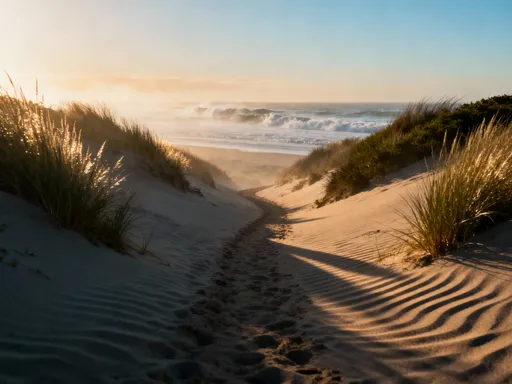
One of the most rewarding ways to experience Montevideo’s natural rhythm is by walking the coastal stretch from Punta Gorda to Playa Pocitos. This route, easily accessible from downtown, blends urban convenience with raw natural beauty. Along the way, the Rambla—a wide, paved pathway—guides walkers and cyclists past beaches where the land meets the sea in dynamic contrast. While Playa Pocitos is well-known for its golden sand and gentle waves, the areas just east of it remain surprisingly undeveloped. Here, dune systems stabilized by native grasses rise behind the shore, sheltering small pockets of biodiversity.
As you move eastward from the city center, the built environment gradually gives way to more natural scenery. At Punta Gorda, the coastline curves gently, revealing rocky outcrops and tide pools teeming with marine life. This area is particularly rich in birdlife, including South American terns, black skimmers, and the elegant cocoi heron. Early risers may spot them wading in shallow waters or perched on driftwood, perfectly still as they hunt for fish. The sound of the waves here is different—deeper, more resonant—shaped by the contour of the bay and the strength of the current.
Native vegetation plays a crucial role in maintaining the health of this coastline. Plants like maritime wormwood and sea rocket have adapted to salty air, shifting sands, and strong winds, forming a natural barrier that protects inland areas from erosion. Local conservation groups occasionally organize volunteer days to remove invasive species and replant native shrubs, helping to restore balance to these fragile ecosystems. Visitors are encouraged to stay on marked paths to avoid damaging root systems and disturbing nesting sites. Even small actions—like not feeding birds or leaving trash behind—help preserve the quiet integrity of this space.
What makes this trail especially appealing is its accessibility and variety. Joggers, families, and solo walkers all share the path, yet it never feels crowded. Benches are thoughtfully placed at scenic overlooks, inviting rest and reflection. And because the route runs along the waterfront, the cooling sea breeze makes even summer walks comfortable. Whether you’re exploring for an hour or the entire morning, this coastal journey offers a gentle immersion into Montevideo’s natural heartbeat.
Cerro de Montevideo: The Hill That Started It All
Rising just over 130 meters above sea level, Cerro de Montevideo is more than a landmark—it’s the geographic and symbolic heart of the city. According to legend, Portuguese sailors named the hill “Monte VI de Agosto” (Sixth of August Mountain), later shortened to Montevideo, though the exact origins remain debated. What’s certain is that this modest hill has watched over the city’s evolution for centuries. Today, it stands as a protected natural and historical site, offering one of the most panoramic views in the region. From its summit, visitors can see the sprawling coastline, the distant outline of Buenos Aires on a clear day, and the patchwork of urban and rural landscapes that define Uruguay’s southern edge.
The climb to the top is a short but rewarding hike, beginning at the base near the historic Fortaleza del Cerro. The trail winds upward through a mix of open grassland and shaded groves, where native trees like the uruguayan guayabo and coronilla thrive. Interpretive signs along the path provide insights into the area’s ecology and military history, including the fort’s role in defending the bay during the 19th century. The air grows cooler with elevation, carrying the scent of wild herbs and damp earth. Birdwatchers may spot the rufous-bellied thrush or the strikingly colored Sayaca tanager flitting between branches.
At the summit, the old lighthouse and observatory stand as quiet sentinels. Though no longer in active use, the site remains a place of contemplation. On weekends, local families gather for picnics, spreading blankets on the grassy slopes while children fly kites in the steady wind. The view from the top is not just visually stunning—it’s deeply grounding. It offers perspective, literally and figuratively, reminding visitors of the city’s origins and its enduring connection to the natural world. For many Uruguayans, climbing Cerro de Montevideo is a rite of passage, a way to connect with both history and landscape in a single, quiet moment.
Conservation efforts here focus on maintaining the hill’s ecological balance while accommodating visitors. Erosion control measures, native reforestation, and waste management systems help protect the site’s integrity. Unlike heavily commercialized viewpoints in other countries, Cerro de Montevideo remains refreshingly unspoiled. There are no souvenir stands, no loudspeakers, no crowds jostling for selfies. Instead, there’s space to breathe, to listen, and to remember that some places are meant not to be conquered, but honored.
Parque Natural Santa Teresa: A Wild Escape Within Reach
For those seeking a deeper immersion in nature, a day trip to Parque Natural Santa Teresa is an essential experience. Located about two hours east of Montevideo, this expansive protected area spans over 6,000 hectares of forest, wetlands, and Atlantic coastline. Unlike the more developed beaches of Punta del Este, Santa Teresa remains rugged and untamed, a place where the forest meets the sea with little human interference. The park is part of Uruguay’s national system of protected areas, managed to preserve biodiversity while allowing for low-impact recreation.
One of the park’s most striking features is its dense forest of native trees, including olmos, sarandís, and arrayanes. These woodlands provide habitat for a wide range of wildlife, from the elusive gray brocket deer to the nine-banded armadillo and numerous reptile species. Birdwatchers will be delighted by the diversity here—over 180 species have been recorded, including the black-and-white monjita and the roadside hawk. Well-maintained trails wind through the forest, offering shaded walks that feel a world away from the capital. Some paths lead to freshwater lagoons, where dragonflies hover above the still water and frogs call from the reeds.
The park’s coastline is equally impressive. Long stretches of sandy beach face the open Atlantic, pounded by strong waves and shaped by shifting tides. Rocky headlands provide vantage points for spotting southern right whales during migration season (June to November). Unlike urban beaches, these shores are not lined with restaurants or sunbeds. Instead, visitors find solitude, natural beauty, and a sense of timelessness. The park’s historic fort, built in the 18th century, adds a layer of cultural depth, standing as a reminder of the region’s strategic importance and human history.
Safety and sustainability are central to the park’s management. Visitors are advised to stay on marked trails, carry sufficient water, and avoid hiking alone in remote areas. Rangers are available at the main entrance to provide maps and updates on trail conditions. Camping is permitted in designated zones, allowing overnight stays for those who wish to experience the forest at dawn or under a sky full of stars. The park also hosts environmental education programs, teaching visitors about native species, conservation challenges, and the importance of protecting Uruguay’s natural heritage.
The Magic of Laguna del Sauce and Its Quiet Shores
Just north of Montevideo lies Laguna del Sauce, a large freshwater lake that plays a crucial role in the region’s ecology and infrastructure. Covering over 30 square kilometers, it serves as a primary source of drinking water for the metropolitan area, making its protection a top priority. Unlike recreational lakes in other countries, access to Laguna del Sauce is carefully managed to prevent pollution and overuse. Yet for those who know where to go, there are still opportunities to experience its serene beauty.
Kayaking is one of the most peaceful ways to explore the lake’s quieter edges. Paddling across the calm water at sunrise, surrounded by mist and the soft calls of waterfowl, is an experience of pure tranquility. The lake is home to coots, black-necked swans, and the strikingly colored roseate spoonbill. Along the shoreline, reed beds and wetlands provide shelter for amphibians and insects, forming the base of a complex food web. Local guides offer eco-friendly tours that emphasize observation over disturbance, ensuring that wildlife remains undisturbed.
The surrounding area is dotted with small rural properties and eucalyptus plantations, but efforts are underway to restore native vegetation and improve water quality. Conservationists monitor nutrient levels, control invasive species like water hyacinth, and work with farmers to reduce runoff. These efforts reflect a broader national commitment to sustainable development, balancing human needs with environmental protection. For visitors, this means the chance to witness conservation in action—not as a distant policy, but as a lived reality.
Because of its importance as a water source, motorized boats are prohibited, and swimming is not allowed. This restriction, while limiting certain activities, helps preserve the lake’s clarity and ecological balance. Instead, the focus is on quiet enjoyment—birdwatching, photography, and simply being present in a place where nature still holds sway. For families, it’s an opportunity to teach children about water conservation and the interconnectedness of ecosystems. For solo travelers, it’s a space for reflection, where the rhythm of the water replaces the noise of daily life.
Seasonal Shifts: When Nature in Montevideo Shines Brightest
The natural landscapes around Montevideo transform with the seasons, each offering a distinct experience for visitors. Spring (September to November) is a time of renewal, when wildflowers bloom along the trails and migratory birds return from warmer climates. The air is mild, the days grow longer, and the forests come alive with song. This is an ideal time for hiking, as temperatures are comfortable and the risk of extreme weather is low. Native plants like the ceibo, Uruguay’s national flower, begin to show their vibrant red blossoms, adding bursts of color to the green canopy.
Summer (December to February) brings warm temperatures and lively beaches, but also larger crowds. To avoid the busiest areas, early morning or late afternoon visits are recommended. The coastal breeze keeps the heat manageable, and swimming in the Río de la Plata is refreshing, though the water remains cooler than in tropical destinations. This season is also prime time for whale watching along the eastern coast, as southern right whales migrate to calve in protected bays. Binoculars and patience are key—these majestic animals often appear in the distance, their spouts visible against the horizon.
Autumn (March to May) offers some of the most visually stunning moments, as native trees display subtle shifts in color. While Uruguay doesn’t have the dramatic fall foliage of North America, the changing hues of the sarandí and other species create a soft, golden palette. The air becomes crisper, and the trails are quieter, making it a favorite time for photographers and nature lovers. It’s also an excellent season for birdwatching, as many species prepare for migration.
Winter (June to August) is often overlooked, but it holds its own quiet magic. With fewer tourists, the natural areas feel more secluded. Fog often rolls in from the river, wrapping the dunes and forests in mystery. While temperatures can dip, especially at night, daytime walks are still pleasant with proper layers. This is also the best time to experience solitude—a rare commodity in today’s world. For those seeking stillness, winter in Montevideo’s wild spaces offers a profound sense of peace.
How to Explore Responsibly: Leave No Trace in Hidden Spots
The beauty of Montevideo’s hidden natural areas lies in their authenticity and quiet preservation. To ensure they remain pristine for future generations, responsible exploration is essential. The Leave No Trace principles—staying on trails, packing out all waste, respecting wildlife, and minimizing campfire impact—are not just guidelines but a moral obligation for visitors. These places remain unspoiled not because they are inaccessible, but because those who visit them choose to protect them.
One of the most important practices is to avoid disturbing wildlife. This means keeping a safe distance, not feeding animals, and refraining from loud noises. Birds, in particular, are sensitive to human presence during nesting season. Using binoculars or a zoom lens allows for close observation without intrusion. Similarly, staying on marked trails prevents soil erosion and protects fragile plant life, especially in dune and forest ecosystems where recovery is slow.
Photography is a wonderful way to capture memories, but it should be done mindfully. Avoid trampling vegetation for the perfect shot, and never move rocks or branches to alter a scene. The goal is not to dominate the landscape, but to witness it as it is. Sharing photos on social media can inspire others to visit, but it’s important to avoid geotagging sensitive or lesser-known locations that could be overwhelmed by sudden attention.
Supporting local eco-initiatives is another way to contribute. Many conservation projects rely on volunteer work and small donations. Purchasing locally made products, hiring local guides, and respecting community rules all help sustain the balance between tourism and preservation. Ultimately, the greatest gift a traveler can give is awareness—not just of the beauty they’ve seen, but of the responsibility that comes with seeing it.
Where Silence Speaks Louder Than Sightseeing
Montevideo’s hidden natural wonders are not measured in postcard views or Instagram likes, but in moments of quiet connection. They are found in the hush of a forest at dawn, the crunch of sand underfoot on an empty beach, the sudden flash of a bird’s wing against the sky. These experiences do not demand attention—they invite it. They remind us that travel is not just about seeing new places, but about feeling them, listening to them, and allowing them to change us in small, lasting ways.
For the women who read this—mothers, daughters, sisters, friends who carry the weight of daily life with grace—these spaces offer something rare: stillness. Not emptiness, but fullness of presence. In a world that never stops moving, to stand at the edge of a quiet lagoon or atop a windswept hill is to reclaim a piece of oneself. It is to remember that peace is not a destination, but a way of being.
These hidden corners of Montevideo are not secrets to be hoarded, but treasures to be protected and shared with care. They belong not to any one person, but to all who respect them. So when you visit, walk gently. Listen closely. And let the silence speak. Because sometimes, the most powerful journeys are the ones that leave no footprints—only memories, and a deeper love for the wild, whispering heart of this remarkable city.