What Makes Lake Balaton’s Lakeside Culture So Uniquely Addictive?
You know that feeling when a place just gets you? Lake Balaton in Hungary isn’t just Europe’s largest freshwater lake—it’s a cultural rhythm, a slow, sun-kissed way of life. I didn’t expect to fall for its lakeside towns, folk music drifting through vineyards, or the way locals sip wine like it’s a daily ritual. This isn’t just a vacation spot; it’s a living tradition. Let me take you where relaxation meets heritage, and every pier, café, and village square tells a story.
The Heartbeat of Hungarian Summers
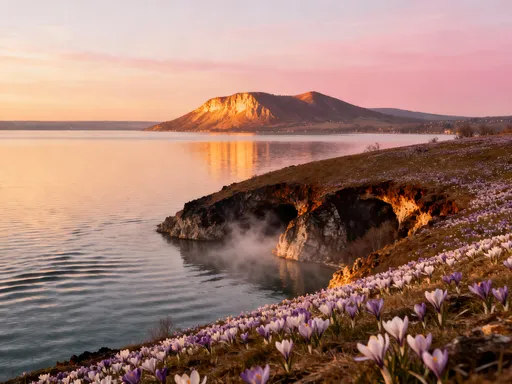
Lake Balaton has long held a central place in the Hungarian imagination, not only as a natural wonder but as the emotional and cultural core of summer life. Spanning over 77 square miles, this vast freshwater body has drawn families, artists, and dreamers for generations. Its rise as a national retreat began in the late 19th century, when the Austro-Hungarian elite built elegant villas along its northern shore, transforming quiet fishing villages into destinations of leisure and refinement. The arrival of the railway in the early 20th century opened Balaton to the broader public, cementing its role as a democratic summer escape.
What sets Balaton apart is not merely its size or scenic beauty, but its deep integration into Hungarian identity. For many Hungarians, a summer without Balaton feels incomplete—much like Thanksgiving without turkey or Christmas without carols. It is a rite of passage for children to learn to swim in its gentle waves, for couples to stroll hand-in-hand along promenades, and for grandparents to recount stories from their own youth spent in lakeside pensions. The lake functions as both a mirror and a memory keeper, reflecting national values of family, simplicity, and connection to nature.
Even today, despite the rise of international travel, Balaton remains the top domestic destination for Hungarian families. According to national tourism data, over three million visitors arrive annually, the majority from within the country. This enduring popularity is rooted in accessibility, affordability, and a sense of cultural continuity. Whether one rents a cottage in a quiet cove or books a room in a bustling resort town, the experience is infused with a comforting familiarity. The lake is not just a backdrop for recreation; it is a living participant in the rhythm of Hungarian life, where generations gather to celebrate, reflect, and simply be.
Towns with Character: More Than Just Beachfronts
The charm of Lake Balaton lies not in a single postcard-perfect view, but in the distinct personalities of its surrounding towns. Each community along the shoreline offers a different expression of lakeside culture, shaped by geography, history, and local pride. From the elegant promenades of Balatonfüred to the lively energy of Siófok and the tranquil wellness focus of Hévíz, these towns reveal that Balaton’s appeal extends far beyond sunbathing and swimming.
Balatonfüred, nestled on the northern shore, is often described as the lake’s most refined town. With its neoclassical architecture, tree-lined avenues, and historic thermal springs, it exudes a timeless elegance. The town gained fame in the 19th century as a spa destination, attracting artists and intellectuals seeking both healing and inspiration. Today, its Kurpromenade remains a social hub, where locals gather in the evenings for walks, live music, and open-air dining. The annual Citrus Festival celebrates the town’s unique microclimate, which allows lemons and oranges to grow outdoors—a rare phenomenon in Central Europe. This blend of natural curiosity and cultural celebration makes Balatonfüred a place where tradition and innovation coexist.
On the southern shore, Siófok pulses with youthful energy. As the largest resort town on the lake, it is known for its vibrant nightlife, wide beaches, and modern amenities. Yet beneath its lively surface, Siófok maintains a strong sense of community. The town hosts one of the most popular summer music festivals in Hungary, drawing both national acts and international performers. Its long pier, stretching into the lake, is more than a tourist attraction—it’s a symbol of connection between land and water, a place where families fish, couples watch sunsets, and children dare each other to jump into the cool water. While some may dismiss Siófok as too commercial, its ability to welcome millions without losing its soul speaks to the inclusive spirit of Balaton culture.
Just west of the lake, Hévíz offers a different kind of retreat. Home to the largest thermal lake in Europe, it is a sanctuary for those seeking wellness and renewal. The warm, mineral-rich waters have been used for therapeutic purposes for over two centuries, and today the town is a leader in holistic health tourism. But Hévíz is not just about spas. Its quiet streets, surrounded by forests and wetlands, offer a peaceful contrast to the busier shores of Balaton. The town’s commitment to sustainability and environmental preservation reflects a growing awareness that the lake’s future depends on responsible stewardship. Together, these towns illustrate that Balaton is not a monolith, but a mosaic of experiences, each contributing to the lake’s rich cultural fabric.
Where Culture Meets the Waterfront
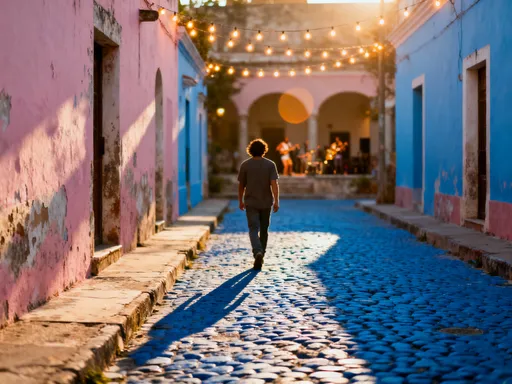
One of the most captivating aspects of Lake Balaton is how seamlessly cultural expression is woven into daily life. Unlike destinations where tradition is performed solely for tourists, Balaton’s cultural activities are deeply rooted in community participation. Throughout the summer, lakeside squares come alive with folk music, dance, and artisan markets, creating an atmosphere where heritage is not preserved behind glass but lived and shared.
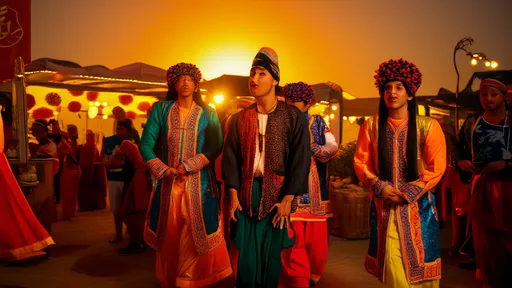
Open-air festivals are a hallmark of the Balaton experience. In towns like Tihany and Balatonalmádi, traditional folk ensembles perform in historic courtyards, their colorful costumes and spirited melodies drawing both locals and visitors. These events are not staged reenactments; they are expressions of living culture, often led by multi-generational families who have passed down songs and dances for decades. The music—whether the haunting strains of the tamburica or the lively rhythms of the csárdás—carries the soul of the region, telling stories of love, labor, and resilience.
Lakeside concerts, too, play a vital role in shaping the cultural landscape. The Balaton Sound Festival, held near Siófok, attracts tens of thousands with its mix of electronic and pop music, yet it coexists with smaller, more intimate events like classical performances at the Festetics Palace in Keszthely. This diversity reflects Hungary’s ability to honor its roots while embracing contemporary expression. Even in the most modern settings, there is a conscious effort to incorporate local elements—whether through regional cuisine at food stalls or collaborations with Hungarian artists.
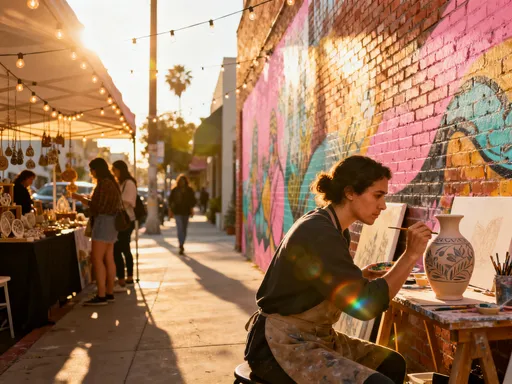
Markets and craft fairs further enrich the cultural tapestry. In village squares, artisans display handwoven textiles, pottery, and woodcarvings, many using techniques unchanged for generations. These crafts are not souvenirs in the disposable sense; they are tangible links to a way of life that values patience, skill, and beauty. Visitors who take the time to engage with these traditions often leave with more than a keepsake—they gain a deeper appreciation for the hands and hearts behind the work. Culture at Balaton is not a spectacle; it is an invitation to participate, to listen, and to belong.
Wine, Vineyards, and the Taste of Tradition
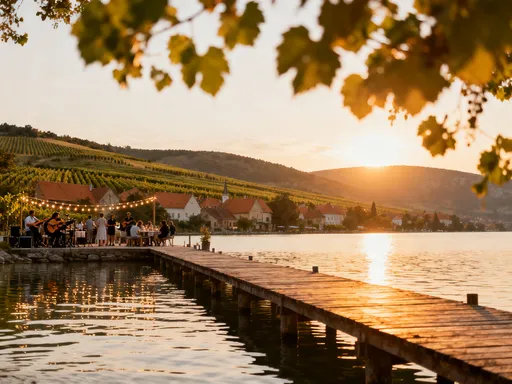
No exploration of Lake Balaton’s culture would be complete without a journey into its vineyards. The region is one of Hungary’s most important wine-producing areas, with a viticultural history that stretches back over a thousand years. The volcanic soils of the northern shore, particularly around Badacsony and Balatonboglár, create ideal conditions for growing crisp whites and aromatic rosés that reflect the terroir in every sip.
Badacsony, crowned by its iconic basalt hill, is renowned for its Olaszrizling and Furmint wines. The slopes facing the lake benefit from natural sun traps and cooling breezes, producing grapes with balanced acidity and complex minerality. Family-run wineries dominate the landscape, where hospitality is as important as the wine itself. A visit to a Badacsony cellar is rarely a formal tasting; it is more likely to unfold on a shaded terrace, with a host sharing stories over a homemade meal of smoked cheese, pickled vegetables, and fresh bread. These moments are not transactional—they are relational, rooted in a tradition of generosity and pride.
On the southern shore, Balatonboglár offers a different but equally compelling wine culture. Here, the flatter terrain and sandy soils favor fuller-bodied whites and experimental blends. The town is home to Hungary’s oldest viticultural research institute, blending tradition with innovation. Wine festivals throughout the summer celebrate this legacy, with events like the Balatonboglár Grape Harvest Festival drawing thousands for tastings, parades, and folk dancing. What makes these experiences meaningful is their authenticity—there are no artificial backdrops or scripted performances. The joy is real, the wine is handcrafted, and the community is present.
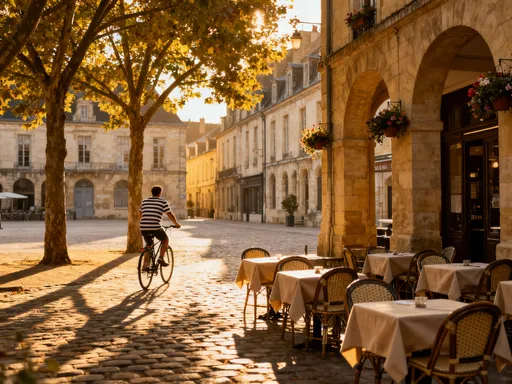
For travelers, wine tasting at Balaton is not just a leisure activity; it is a form of cultural immersion. It offers insight into the values of patience, craftsmanship, and connection to the land. Even those who do not consider themselves wine enthusiasts often find themselves captivated by the stories behind each bottle. And because many vineyards are within easy reach by bike or ferry, the journey between towns becomes part of the experience—a slow, sensory-rich exploration that mirrors the pace of life around the lake.
Hidden Spots with Authentic Charm
While the larger towns of Lake Balaton offer comfort and convenience, some of the most memorable experiences await in its quieter corners. Villages like Tihany and Fonyód provide a glimpse into a more intimate, unhurried way of life—one where tourism exists but does not dominate. These places have managed to preserve their character by resisting overdevelopment and staying true to local customs.
Tihany, perched on a peninsula jutting into the lake, is often called the spiritual heart of Balaton. Its 11th-century abbey, with its twin bell towers, stands as a sentinel over the water, offering panoramic views and a sense of timelessness. The village itself is a maze of cobblestone streets, wild lavender, and family-run guesthouses where hosts greet guests like old friends. Walking trails wind through orchards and meadows, leading to secluded coves where the only sounds are lapping waves and bird calls. In Tihany, the rhythm of life follows the sun—mornings are for quiet reflection, afternoons for swimming or reading under a tree, and evenings for shared meals on terraces lit by candlelight.
Fonyód, on the southern shore, is another gem that balances accessibility with tranquility. Unlike its busier neighbors, it has resisted the temptation to build high-rise hotels or sprawling entertainment complexes. Instead, it offers long, clean beaches, a charming harbor, and a strong tradition of local fishing. The Fonyód Wine Festival, held every September, is a community-centered event that highlights regional producers and traditional cuisine. Visitors who come here often speak of a sense of discovery—not because the town is unknown, but because it feels untouched by the pressures of mass tourism.
These hidden spots are not hidden by accident. They are protected by a quiet consensus among residents who value peace, privacy, and continuity. They remind us that authenticity is not a marketing strategy but a way of life. For travelers seeking connection over convenience, these villages offer something rare: the chance to slow down, breathe deeply, and experience Balaton not as a destination, but as a state of mind.
How to Experience Balaton Like a Local
To truly understand Lake Balaton, one must move beyond the role of spectator and step into the rhythm of daily life. This begins with timing. While July and August are peak months, the most rewarding visits often occur in June or September, when the weather remains warm but the crowds have thinned. These shoulder seasons offer a more relaxed pace, better availability at accommodations, and a greater chance to interact with locals who are not overwhelmed by tourist demands.
Transportation choices also shape the experience. Renting a bicycle is one of the best ways to explore the lake, with over 200 miles of dedicated cycling paths connecting towns, vineyards, and nature trails. The slow movement of a bike allows for spontaneous stops—a conversation with a farmer, a dip in a quiet inlet, a chance to sample fresh cherries from a roadside stand. For longer distances, the public ferry system offers a scenic and practical alternative, linking key towns with regular departures. Traveling by boat not only reduces road congestion but provides breathtaking views of the shoreline from the water.
Engagement is key. Rather than sticking to guided tours, seek out local events—whether it’s a village fair, a church concert, or a wine harvest. Visit neighborhood cafes where the menu is in Hungarian and the regulars nod in greeting. Learn a few basic phrases, such as Köszönöm (thank you) or Szép napot! (have a lovely day), to show respect and openness. Many locals appreciate the effort, even if communication remains simple. Dining at family-owned restaurants, where meals are prepared with ingredients from nearby farms, offers not just flavor but connection.
Equally important is respect for the environment. The lake’s beauty depends on collective care. Avoid littering, use reusable bottles, and support businesses that prioritize sustainability. Thermal baths, such as those in Hévíz or Budapest, should be enjoyed with mindfulness of local customs—such as wearing swim caps or observing quiet zones. By traveling thoughtfully, visitors honor the culture they come to experience and contribute to its preservation.
Why Balaton Stays With You
The true measure of a destination is not how it looks in photographs, but how it feels in memory. Lake Balaton stays with people because it touches something deeper than sightseeing—it engages the senses, the emotions, and the spirit. It is the warmth of sun on skin, the taste of chilled white wine after a long walk, the sound of accordion music drifting across the water at dusk. It is the way a grandmother smiles as she hands you a homemade pastry, or how a child’s laughter echoes from a playground near the pier.
What makes Balaton uniquely addictive is its balance—between tradition and modernity, celebration and stillness, community and solitude. It does not overwhelm; it welcomes. It does not demand attention; it earns affection. In a world that often feels rushed and fragmented, Balaton offers coherence and calm. It reminds us that happiness can be simple: a shared meal, a good book, a swim at sunset.
For many, the lake becomes a benchmark for what travel should be—not a checklist of attractions, but a lived experience. It fosters a sense of belonging, even for those who speak no Hungarian and stay for only a week. This emotional resonance is not accidental; it is the result of a culture that values presence, hospitality, and the quiet dignity of everyday life. Travelers do not just visit Balaton; they are gently absorbed into its rhythm.
And when they return home, they carry more than souvenirs. They carry a feeling—that slow, sun-kissed way of life. They find themselves pausing more, listening more, savoring moments that once seemed ordinary. In this way, Balaton does not end when the trip does. It lingers, like the scent of wild thyme on a summer breeze, quietly reshaping the way one sees the world.
Lake Balaton is more than a destination; it’s a living expression of Hungarian identity. By choosing to explore its culture, not just its coast, travelers gain a deeper, more meaningful connection—one that lingers long after the tan fades.