You Won’t Believe What Jeju’s Food Scene Just Did to Me
I went to Jeju Island thinking it was all about lava tubes and ocean views—no big deal, right? Wrong. The food? Absolute game-changer. From sizzling black pork to fresh haenyeo-dived seafood, every bite felt like a secret I wasn’t meant to know. This isn’t just eating; it’s storytelling with flavor. If you’re chasing real culture, not just Insta shots, Jeju’s culinary soul will wreck your expectations—in the best way possible.
Why Jeju’s Food Tells the Island’s Story
Jeju Island is more than a scenic escape—it is a living narrative written in soil, sea, and centuries of resilience. The island’s volcanic origins have shaped not only its dramatic cliffs and rolling hills but also the very essence of its cuisine. The porous basalt soil, enriched by rain and ocean mist, creates ideal conditions for distinct crops like the famed hallabong tangerine, whose citrus sweetness bursts with a depth unmatched elsewhere. This same earth nourishes wild herbs, root vegetables, and grains that carry a mineral richness, a whisper of the island’s geological heartbeat.
Equally vital is the role of the haenyeo, the free-diving women whose tradition stretches back generations. These remarkable women plunge into the cold waters without oxygen tanks, harvesting abalone, sea urchin, octopus, and seaweed with an intuitive understanding of tides and marine life. Their labor is not merely a source of food; it is an act of cultural preservation. The seafood they gather becomes the foundation of Jeju’s most cherished dishes, each bite infused with the spirit of self-reliance and harmony with nature. Their presence in coastal villages, drying catch on stone walls or selling at morning markets, reminds visitors that food here is deeply tied to identity and survival.
Local ingredients are not chosen for novelty but necessity and wisdom. Black pork, raised on the island for centuries, thrives on a diet of sweet potatoes and barley grown in volcanic soil, resulting in meat that is tender, rich, and slightly sweet. Abalone, harvested sustainably by haenyeo, is celebrated not only for its delicate texture but also its symbolic value—offered in ancestral rites and served during celebrations. Even the humble sweet potato, a staple during lean historical periods, has been elevated into a culinary icon, appearing in desserts, noodles, and savory stews. Every ingredient tells a chapter of Jeju’s story—of isolation, adaptation, and pride.
Must-Try Dishes That Define Jeju’s Flavor
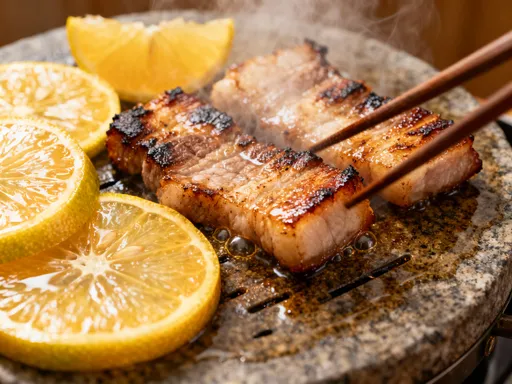
To taste Jeju is to experience a symphony of textures and traditions, where simplicity meets intensity. Among the most iconic is Heukdwaeji, the island’s celebrated black pork barbecue. Served raw at the table, thin slices are grilled over charcoal, releasing a smoky aroma that fills the air. The meat’s marbling melts into crisp edges while the center remains succulent, best wrapped in perilla leaves with a dab of ssamjang or raw garlic. Unlike mainland pork dishes, Jeju’s version carries a distinct depth—earthy, slightly sweet, and never greasy. It is not just a meal; it is a ritual of gathering, sharing, and savoring.
Equally unforgettable is Ogwallye, a luxurious abalone porridge that embodies comfort and celebration. Slow-cooked with rice, ginger, and the tender flesh of freshly harvested abalone, the dish arrives steaming, its surface shimmering with a golden broth. The abalone melts in the mouth, offering a clean, briny sweetness that speaks of the sea. Often served to new mothers or elders for its nourishing properties, Ogwallye is more than sustenance—it is care made edible. Finding it in a small seaside restaurant, where the cook is likely the fisherman’s wife, deepens the experience, turning a bowl of porridge into a gesture of hospitality.
Another cornerstone of Jeju’s cuisine is Jeonbok-juk, a refined abalone rice soup that showcases the ingredient in its purest form. Simmered for hours with dried kelp and wild mushrooms, the broth achieves a delicate umami balance, while the abalone is sliced thinly and added at the end to preserve its texture. This dish is often enjoyed during cooler months, served with a side of kimchi and pickled radish. What sets it apart is its restraint—no heavy spices, no artificial enhancements. It invites the diner to focus on the quality of the ingredient, a hallmark of Jeju’s culinary philosophy.
For those seeking something bolder, Hongeo-hoe offers a challenging but authentic taste of tradition. Fermented skate fish, known for its pungent ammonia aroma, is not for the faint-hearted. Yet, when paired with black pork and kimchi in a ssam wrap, its sharpness transforms into a complex, almost addictive flavor. It is a dish that divides tourists but unites locals, representing Jeju’s unapologetic authenticity. To try it is to step outside comfort zones and embrace the island on its own terms.
Where to Eat: From Hidden Markets to Coastal Eateries
The true heart of Jeju’s food culture beats strongest in its markets and family-run kitchens, far from polished tourist zones. Dongmun Market in Jeju City is a prime example—a sprawling labyrinth of stalls where the air hums with sizzling grills and the scent of grilled squid. While the main aisles draw crowds, the real treasures lie in the back alleys: a tiny counter serving abalone pancakes, a grandmother flipping sweet potato pancakes on a hot plate, or a vendor offering freshly cracked crab with chili paste. These unmarked spots, often with no English signage, are where authenticity thrives.
Equally rewarding are the coastal villages scattered along the island’s rim. In Seongsan, near the famous sunrise peak, small seaside restaurants perch on cliffs, their windows fogged from steaming pots below. Here, fishermen’s families serve what was pulled from the sea that morning—sometimes without a menu. A nod to the cook, a few Korean phrases, and an open mind can lead to a table laden with abalone stew, raw sea urchin, and fermented shrimp paste. Prices remain reasonable, especially when compared to downtown tourist restaurants, and the atmosphere is one of quiet dignity, not performance.
Another hidden gem is the jatbal kitchen, named after the traditional volcanic stone walls that line Jeju’s fields. These family-run homes, often passed down through generations, open their doors to visitors seeking a true home-cooked meal. Set in rural valleys or hillside farms, they serve multicourse feasts featuring black pork, wild greens, and homemade tofu. The experience is intimate—diners sit on the floor, share stories through gestures, and leave with full hearts as much as full stomachs. Reservations are often required, arranged through local guesthouses or word of mouth, making them feel like privileged invitations rather than commercial transactions.
Even gas stations along Jeju’s rural roads can surprise. Some double as mini-markets offering vacuum-packed hallabong juice, dried squid, or freshly made kkwabaegi (twisted donuts). These stops, often overlooked, provide a quick taste of local life. The key is to wander without a rigid plan, to follow the scent of grilled meat or the sight of locals queuing at a window counter. The best meals in Jeju are rarely found in guidebooks—they emerge from curiosity, chance, and connection.
How to Experience Food Like a Local, Not a Tourist
To truly connect with Jeju’s culinary soul, one must shift from sightseeing to sensing. Locals eat with rhythm, guided by seasons, tides, and tradition. Visiting during local festivals—such as the Jeju Fire Festival in spring or the Harvest Festival in autumn—offers a window into food as celebration. These events feature communal cooking, ancestral food offerings, and street stalls serving regional specialties, all prepared with pride and shared freely. Participation, even as an observer, fosters respect and understanding.
Eating seasonally is another key. In winter, black pork and root vegetable stews dominate, warming the body against coastal winds. Spring brings fresh greens, wildflowers, and the first abalone harvest. Summer is for cold noodles, raw seafood, and hallabong juice, while autumn celebrates the sweet potato harvest with festivals and desserts. By aligning meals with the calendar, travelers move in sync with the island’s natural pulse, deepening their appreciation for each dish.
Learning a few Korean phrases goes a long way. Simple words like “jeogiyo” (excuse me), “masseoyo” (delicious), or “eolma-inga?” (how much?) open doors. A smile and an attempt at the language signal respect, often leading to warmer service or even an unexpected extra side dish. Many older vendors do not speak English, but kindness transcends words. Pointing at what others are eating, miming enjoyment, or simply waiting patiently can result in a more genuine experience than any translation app.
Timing also matters. Arriving at fish markets by 7 a.m. means seeing the day’s catch laid out on ice, still glistening. It’s the best time to witness haenyeo selling their haul or to buy abalone directly from the source. Similarly, visiting restaurants before noon avoids crowds and ensures freshness—many kitchens prepare daily batches that sell out by early afternoon. Slowing down, observing, and engaging with the process—watching a chef grill pork, asking a vendor about preparation—transforms eating from consumption to connection.
The Role of Nature in Jeju’s Culinary Identity
Jeju’s food cannot be separated from its landscape. The island’s designation as a UNESCO Biosphere Reserve is not just a title—it reflects a deep interdependence between environment and cuisine. The volcanic soil, rich in minerals, gives Jeju tangerines their signature sweetness and low acidity. Hallabong orchards stretch across gentle slopes, their trees thriving in the porous rock that retains moisture and drains excess rain. This unique terroir produces fruit so flavorful that it is often eaten plain, with no need for sugar or enhancement.
Similarly, the surrounding seas benefit from clean currents and protected marine zones, allowing shellfish and fish to grow in unpolluted waters. Abalone, in particular, feeds on kelp that clings to volcanic rock, absorbing the ocean’s purity. This results in a cleaner, more refined taste compared to farmed varieties. The haenyeo’s sustainable diving practices—taking only what is needed, allowing populations to regenerate—ensure this balance continues. Their knowledge of marine ecosystems, passed down orally, functions as a living form of conservation.
Even the island’s wind and fog play a role. The constant sea breeze slows plant growth, concentrating flavors in herbs and vegetables. Wild deodeok (mountain root), foraged from forested hills, has a crisp bitterness that cuts through rich meats, its intensity shaped by the rugged terrain. Sweet potatoes, grown in rocky soil, develop a denser texture and sweeter taste, making them ideal for both savory and sweet applications. Every element of Jeju’s nature—its geology, climate, and biodiversity—contributes to a cuisine that is as much a product of place as any wine or cheese.
This connection fosters a culture of mindfulness. Farmers speak of their crops with reverence, chefs honor ingredients by preparing them simply, and families pass down recipes with pride. Eating in Jeju becomes an act of ecological awareness, a reminder that flavor and sustainability are not opposites but allies. For the mindful traveler, this awareness lingers long after the trip ends, influencing choices back home.
Balancing Tourism and Authenticity in Jeju’s Food Culture
As Jeju’s popularity grows, so do the challenges to its culinary authenticity. In tourist-heavy areas, some restaurants have inflated prices, simplified recipes, or replaced fresh ingredients with frozen substitutes to meet demand. Menus in English often highlight only a few dishes, reducing the island’s rich food culture to a checklist. In some cases, the haenyeo are turned into photo opportunities rather than respected elders, their tradition commodified rather than celebrated.
Yet, change is not inevitable. Travelers hold power in their choices. Opting for family-run eateries over chain-style barbecue spots, asking if seafood is locally sourced, or choosing seasonal specialties supports genuine practitioners. Avoiding restaurants that display exaggerated photos or promise “authentic Jeju taste in 10 minutes” helps curb the spread of diluted experiences. Instead, seeking out places where locals eat—where the tables are filled with Korean families, not tour groups—ensures that spending contributes to real communities.
Supporting small vendors at markets, buying directly from haenyeo at coastal stalls, or booking meals at jatbal kitchens keeps tradition alive. These actions, small as they may seem, create demand for authenticity. They signal that visitors value depth over convenience, connection over spectacle. The goal is not to reject tourism but to practice it with intention—arriving not as consumers but as guests.
There is no need for guilt, only awareness. Jeju has welcomed outsiders for decades, and its people are generally warm and welcoming. The issue is not tourism itself but how it is conducted. By slowing down, listening, and making thoughtful choices, travelers can enjoy the island’s flavors without erasing them. In doing so, they become part of the solution, helping preserve a culture that deserves to be experienced as it truly is.
Making the Most of Your Culinary Journey: A Practical Wrap-Up
A trip to Jeju is incomplete without engaging its food culture—not as an afterthought, but as a central pillar of the journey. Prioritize experiences over checklists: skip the crowded theme restaurants and seek out the quiet stall where an elderly woman fries pancakes by hand. Plan meals around exploration—visit a morning market before hiking, or end a coastal walk with a bowl of abalone soup at a seaside hut. Let hunger guide discovery, and allow time for meals to unfold naturally, without rush.
The most valuable souvenirs are not trinkets but memories: the taste of black pork grilled over charcoal, the warmth of a home-cooked meal in a stone-walled kitchen, the smile of a vendor offering a sample of hallabong juice. These moments, rooted in authenticity, stay with you. They reshape how you see travel—not as a series of destinations, but as a series of connections.
Ultimately, Jeju’s food is an invitation—to slow down, to listen, to taste with intention. It asks nothing more than openness and respect. And in return, it offers a deeper understanding of a place, its people, and the quiet strength of tradition. To eat in Jeju is not just to fill the stomach but to feed the soul. When you leave, you carry more than photos. You carry flavor, memory, and the quiet certainty that you’ve touched something real.