You Won’t Believe How Alive Kingston’s Culture Really Is
When I stepped into Kingston, Jamaica, I expected reggae and beaches—but what hit me was the pulse of something deeper. The city breathes culture, not just in music, but in dance, food, and street life. From morning markets to midnight drum circles, every moment feels alive. This isn’t tourism—it’s real, raw, and deeply human. If you want to feel Jamaica, not just see it, Kingston’s cultural heartbeat is where you begin.
The Soul of the City: Understanding Kingston’s Cultural Identity
Kingston is far more than Jamaica’s political capital—it is the nation’s cultural epicenter, where history, resilience, and creativity converge into a vibrant urban identity. Founded in 1692 after an earthquake destroyed Port Royal, the city has endured hurricanes, economic shifts, and social upheavals, yet it continues to thrive as a hub of artistic and intellectual energy. This resilience is not hidden; it is celebrated in murals, spoken word, and everyday conversations. Kingston’s identity is rooted in its people’s ability to transform struggle into expression, making culture not a commodity, but a form of survival and pride.
The city’s cultural confidence stems from a legacy of resistance and self-determination. As the birthplace of Jamaica’s independence movement in 1962, Kingston became a stage for political awakening and national unity. Figures like Marcus Garvey, whose message of Black empowerment resonated globally, emerged from this soil. His influence is still visible in community centers, school curricula, and public art. The Institute of Jamaica and the National Gallery of Jamaica preserve this heritage, offering insight into the island’s evolution through science, history, and visual art. These institutions do not merely display artifacts—they tell living stories that connect past struggles to present-day expressions of identity.
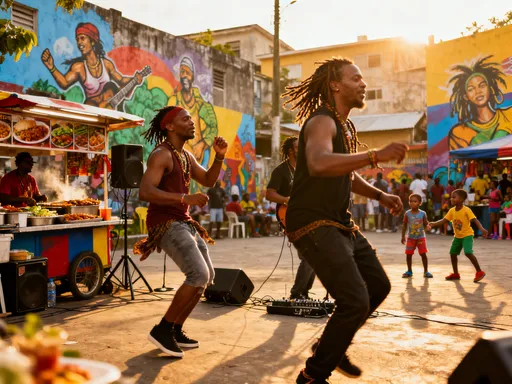
Unlike curated tourist destinations that present a sanitized version of culture, Kingston offers authenticity in its rawest form. There is no separation between performer and audience, between tradition and daily life. A woman selling roasted corn on the corner may hum a Bob Marley tune while weaving in proverbs from her grandmother. A group of teenagers might practice dancehall moves between classes, not for performance, but because rhythm is part of their language. This seamless integration of culture into the fabric of everyday existence is what makes Kingston unique. Visitors are not passive observers—they are invited, gently, to listen, learn, and sometimes, to join.
Reggae Beyond the Radio: Experiencing Music in Its Natural Habitat
Reggae music is often reduced to a genre heard on vacation playlists or at beach bars, but in Kingston, it is a way of life. It pulses through the streets of Trenchtown, echoes in the alleys of Denham Town, and rises from backyard speakers during Sunday breakfast. Born in the 1960s from ska and rocksteady, reggae emerged as a voice for the marginalized, a soundtrack for resistance, spirituality, and social justice. In Kingston, it is not background noise—it is dialogue, memory, and prayer.
To experience reggae authentically, one must step beyond the Bob Marley Museum and into the neighborhoods where music is created and shared organically. Backyard sound system clashes—friendly competitions between DJs and selectors—are still common in communities like Waterhouse and Arnett Gardens. These events are not staged for tourists; they are cultural rituals where music, poetry, and community bonding intersect. The deep basslines and conscious lyrics reflect current events, spiritual beliefs, and local pride. The sound systems themselves are cultural institutions, often passed down through generations, with names like Stone Love and Bass Odyssey carrying decades of legacy.
Organizations like the Jamaica Music Museum and the Alpha Boys’ School continue to nurture musical talent and preserve history. The Alpha Boys’ School, in particular, has produced legendary musicians such as Tommy McCook and Dizzy Moore, and still functions as a training ground for young artists. Community-led initiatives, such as the annual Reggae Month in February, feature free concerts, panel discussions, and youth workshops, reinforcing music as both art and education. For visitors, attending a local church service on a Sunday morning can be just as revealing—many congregations incorporate reggae and gospel fusion, turning worship into a rhythmic celebration of faith and heritage.
Dance, Rhythm, and Community: The Role of Movement in Daily Life
In Kingston, dance is not reserved for stages or special occasions—it is a natural extension of emotion and community. Whether it’s a spontaneous street dance in Half Way Tree or a ceremonial performance during Emancipation celebrations, movement is a language that connects generations. Traditional forms like Kumina, Myal, and Mento are not relics of the past but living practices that continue to shape how Jamaicans express joy, grief, resistance, and unity.
Kumina, rooted in African spiritual traditions brought by enslaved people, remains a powerful cultural force in eastern Kingston and nearby St. Thomas. Characterized by polyrhythmic drumming and trance-like dancing, it is often performed during ancestral ceremonies and healing rituals. While some aspects are private and sacred, public festivals occasionally offer respectful glimpses into this tradition. Similarly, Mento—the folk precursor to ska and reggae—features banjo, rhumba box, and hand drums, and is often performed at community picnics and cultural fairs. These dances are not performed for entertainment alone; they are acts of remembrance and resilience.
Youth culture in Kingston keeps dance dynamic and evolving. Dancehall, born in the 1980s, has become a global phenomenon, but at its core, it remains a local expression of identity, creativity, and social commentary. In neighborhoods like August Town and Papine, young people gather after school to practice new moves, often inventing steps that later go viral. Dance is also a tool for social development—programs like J.F.K. Cultural Centre offer free classes in traditional and contemporary styles, providing safe spaces for youth engagement. Visitors are often welcome to observe or even participate in open dance circles, especially during cultural festivals. The key is respect: asking before recording, learning the context, and understanding that every movement carries meaning.
Taste of Tradition: How Food Carries Cultural Memory
Kingston’s culture is not only heard and seen—it is tasted. The city’s cuisine is a living archive of Jamaica’s history, blending African, Spanish, British, Indian, and Chinese influences into a bold, flavorful identity. Dishes like ackee and saltfish—the national breakfast—trace back to West Africa and the transatlantic slave trade, while jerk seasoning reflects indigenous Taino cooking methods. Every meal tells a story of adaptation, survival, and celebration.
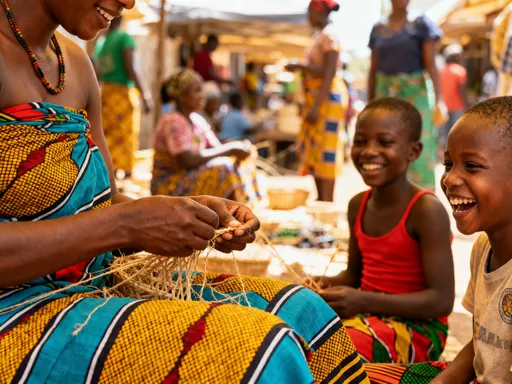
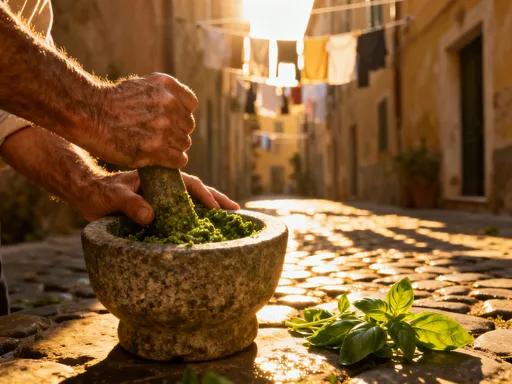
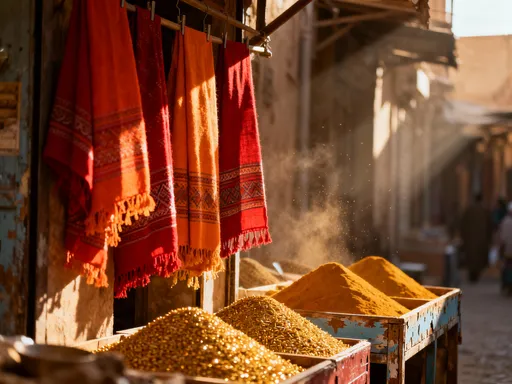
The Coronation Market, one of the oldest and largest in the Caribbean, is the heart of Kingston’s food culture. Open since the late 19th century, it bustles with vendors selling fresh produce, spices, fish, and prepared foods. Walking through its aisles is an immersive sensory experience—bunches of pimento berries hang like jewels, callaloo is bundled fresh, and the scent of roasted breadfruit fills the air. Vendors, many of whom are women who have worked the market for decades, share recipes and family histories with regular customers. For visitors, engaging with them respectfully—asking questions, buying directly, and listening—can turn a simple purchase into a cultural exchange.
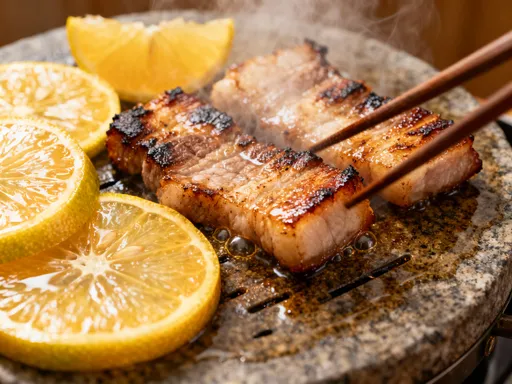
Street food is another pillar of Kingston’s culinary identity. From patties sold at roadside stands to steaming bowls of mannish water and goat soup, these meals are affordable, nourishing, and deeply tied to community life. Festival, a sweet fried dough, often accompanies jerk chicken, linking food to celebration. On holidays like Independence Day, families gather to cook together, passing down techniques from elders to children. Cooking is not just a domestic task—it is an act of cultural preservation. For travelers, joining a local cooking class or dining at a home-based kitchen (often advertised through community boards or social media) offers a more intimate experience than tourist restaurants. These meals are served with stories, laughter, and pride.
Festivals That Define the Calendar: When the City Comes Alive
Kingston’s cultural rhythm accelerates during its major festivals, when the city transforms into a stage for collective memory and celebration. These events are not commercialized spectacles—they are deeply rooted in history, spirituality, and community identity. Three stand out for their significance and vibrancy: Emancipation Day, Independence Day, and the Kingston on the Rock Festival.
Emancipation Day, observed on August 1, marks the abolition of slavery in 1838. In Kingston, it begins with a solemn dawn service at Liberty Square, where speeches, drumming, and libation ceremonies honor ancestors. The day unfolds with cultural performances, traditional food, and educational exhibits. Unlike more commercial events, Emancipation Day emphasizes reflection and remembrance, inviting both locals and visitors to engage with Jamaica’s complex history. Families pass down stories of resilience, and schools often participate with student-led presentations. For travelers, attending with reverence—dressing modestly, listening more than speaking, and supporting local vendors—is essential.
Independence Day, celebrated on August 6, shifts the tone to jubilation. The city is adorned with black, green, and gold, and the air buzzes with patriotism. Parades, music concerts, and street dances fill the capital. National heroes are honored, and youth groups perform choreographed routines that blend dancehall, traditional dance, and military precision. The atmosphere is festive, but also deeply meaningful—Independence is not taken for granted. Travelers who plan visits around this time should book accommodations early and be prepared for road closures and large crowds. The best way to experience it authentically is to join a neighborhood celebration rather than a ticketed event.
The Kingston on the Rock Festival, held annually in December, blends gospel, reggae, and Rastafarian culture in a multi-day event at National Stadium. While it attracts international artists, its core mission is spiritual upliftment and community healing. Attendees come not just for music, but for fellowship, prayer, and reflection. The festival exemplifies how faith and culture are intertwined in Jamaican life. For visitors, it offers a rare opportunity to witness the devotional side of reggae and connect with local believers. Respectful participation—such as refraining from alcohol or inappropriate clothing—ensures a meaningful experience.
Hidden Cultural Corners: Beyond the Mainstream
While many tourists visit the Bob Marley Museum or shop at Devon House, the true depth of Kingston’s culture lies in its lesser-known spaces. These hidden corners offer intimacy, authenticity, and a chance to connect with locals on a personal level. They are not in guidebooks, but they are where culture is lived, not performed.
In downtown Kingston, community murals tell stories of resistance, hope, and identity. Painted by local artists through initiatives like the Kingston Creative program, these works transform neglected walls into open-air galleries. Themes range from Rastafarian symbolism to environmental activism, each piece sparking conversation. Walking tours led by young artists provide context and personal narratives, turning a simple stroll into a cultural journey. Similarly, small galleries such as the Alice Yard and the Fresh Milk Art Platform, though modest in size, showcase emerging talent and experimental work, often addressing social issues through visual art.
Storytelling circles, known locally as “yard talks,” still thrive in neighborhoods like Cassava Piece and Rae Town. Elders gather in yards or under mango trees, sharing folktales, proverbs, and personal histories. These sessions preserve oral traditions that predate written records, passing down wisdom through generations. While some are private, others welcome respectful listeners, especially during festivals or community events. For visitors, the experience is humbling—a reminder that knowledge is not always found in books, but in voices and silences.
Community centers like the Edna Manley College’s outreach programs and the National Library of Jamaica’s cultural series host poetry readings, film screenings, and craft workshops. These events are often free and open to the public, drawing diverse crowds. Attending one allows travelers to engage with Kingston’s intellectual and artistic life beyond stereotypes. Whether listening to a dub poet recite verses about climate change or watching a documentary on Jamaican jazz, these moments offer a fuller picture of the city’s cultural richness.
Traveling with Respect: How to Engage Authentically
Experiencing Kingston’s culture is a privilege, not a right. As interest in cultural tourism grows, so does the risk of exploitation, voyeurism, and disrespect. To truly connect, travelers must approach the city with humility, curiosity, and a willingness to listen. Authentic engagement is not about taking photos or checking boxes—it is about building understanding and leaving a positive impact.
One of the most important principles is to ask permission. Whether photographing a street vendor, recording a drum circle, or joining a dance, a simple “Is it okay if I…?” goes a long way. Many locals are happy to share, but they appreciate being treated as partners, not subjects. Similarly, visitors should avoid reducing culture to exotic spectacle. Reggae is not just a party soundtrack; Kumina is not a performance for entertainment; Emancipation Day is not a photo opportunity. These are sacred, lived experiences that deserve reverence.
Supporting the local economy directly is another way to travel responsibly. Instead of buying souvenirs from imported gift shops, purchase handmade crafts from local artisans at markets like the Craft Market near Emancipation Park. Dine at family-run restaurants or street food stalls, and consider tipping generously. Booking tours with community-based operators—such as guided walks led by residents of Trenchtown or cooking classes hosted in home kitchens—ensures that tourism benefits those who sustain the culture.
Finally, travelers should be mindful of their presence. Avoid loud or disruptive behavior, dress appropriately for the occasion, and learn a few phrases in Jamaican Patois—not to mimic, but to show respect. Simple greetings like “Good morning” or “How yuh deh?” can open doors and warm hearts. The goal is not to become a local, but to be a respectful guest—one who leaves not just with memories, but with a deeper understanding of what it means to live, create, and belong in Kingston.
Conclusion
Kingston doesn’t perform culture—it lives it. To experience it fully is to step into a world where music, food, dance, and history move together like a single breath. The city invites not just visitors, but participants. Every drumbeat, every bite of jerk, every shared story is an offering—an invitation to connect on a human level. This is not a destination for passive observation, but for active engagement.
When you go, don’t just watch. Listen to the elders in the market. Taste the food made with generations of wisdom. Move your body to rhythms older than nations. Let the city challenge your assumptions and expand your heart. Kingston’s culture is not something to be consumed—it is something to be felt, honored, and carried forward with care. In a world of curated experiences, Kingston remains beautifully, powerfully real. And that, perhaps, is its greatest gift.