You Won’t Believe What This Lake in Hungary Can Do
Imagine a place where the water sparkles like crushed glass and the hills hum with quiet magic. That’s Lake Balaton for you—Hungary’s crown jewel, often called the "Hungarian Sea." I didn’t expect much, but standing on its volcanic shores, I felt something shift. It’s not just Europe’s largest freshwater lake—it’s a living landscape shaped by fire, water, and time. This isn’t just a trip; it’s a sensory reset. Let me take you through why Balaton’s natural wonders are worth every mile.
The First Glimpse: Arriving at Europe’s Largest Freshwater Lake
As you approach Lake Balaton from the rolling hills of western Hungary, the first sight of its vast, mirror-like surface takes your breath away. Stretching over 600 square kilometers, it dominates the Transdanubian region like a shimmering sapphire set in emerald hills. Unlike the deep, narrow alpine lakes of the Alps, Balaton is wide and open, its shallow waters warming quickly in the sun, making it ideal for families and leisure swimmers. The lake spans nearly 80 kilometers in length but averages only 3.2 meters in depth, creating a unique microclimate that nurtures vineyards, orchards, and lush greenery along its shores.
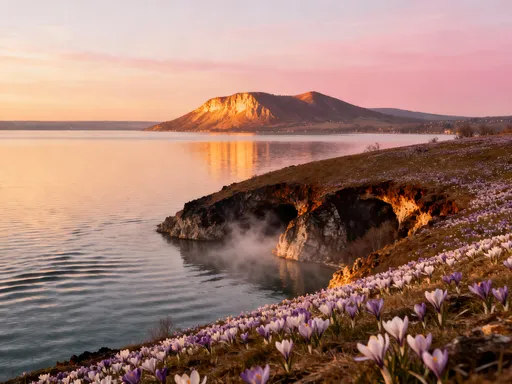
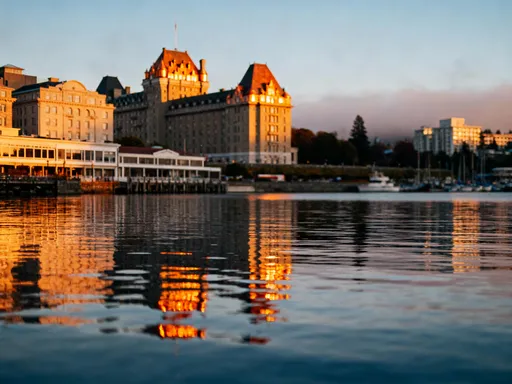
Light plays a central role in Balaton’s allure. At dawn, the lake glows in soft pastels—pink, lavender, and gold—reflecting the quiet energy of a new day. By midday, the surface becomes a brilliant expanse of blue, rippling under gentle breezes. In the late afternoon, shadows stretch across the water, and the western end near Keszthely catches the sun in a fiery display that lingers long after sunset. This interplay of light and water gives Balaton a dynamic personality, shifting from serene to vibrant depending on the hour. For many visitors, especially women managing busy household routines, this visual rhythm offers a rare moment of calm and beauty.
What surprises most is how such a large body of water feels intimate. Unlike crowded coastal resorts, Balaton maintains a sense of balance—busy towns like Siófok contrast with quiet villages tucked along the northern and southern shores. Whether arriving by train, car, or bicycle, the transition into this lakeside world feels like stepping into a slower, more thoughtful way of life. The air carries the scent of pine, blooming wildflowers, and occasionally, the faint mineral tang of thermal springs. It’s a sensory invitation to pause, breathe deeply, and begin to unwind.
Born from Fire: The Volcanic Origins Behind the Beauty
Beneath Lake Balaton’s tranquil surface lies a story of fire and transformation. Millions of years ago, volcanic activity shaped the region’s dramatic hills and peninsulas, leaving behind a geological legacy that still influences life around the lake today. The Tihany Peninsula, jutting into the northern shore, is a prime example—its rugged terrain formed by ancient lava flows that cooled into striking basalt columns. These hexagonal rock formations, visible in several spots along hiking trails, are nature’s architecture—symmetrical, powerful, and quietly beautiful.
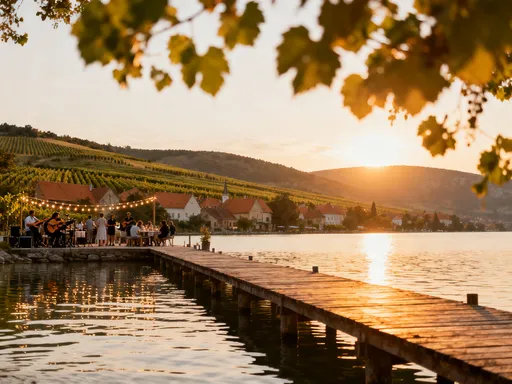
The same volcanic forces created fertile soils that now support some of Hungary’s most renowned vineyards. Badacsony Hill, rising majestically above the lake, is not only a hiker’s dream but also a wine lover’s paradise. Its slopes are blanketed with vineyards that thrive on mineral-rich volcanic earth, producing crisp white wines like Olaszrizling and Szürkebarát. The heat retained in the dark basalt stones helps ripen grapes even in cooler years, a natural advantage that winemakers have cherished for generations. This connection between deep earth and cultivated beauty is one of Balaton’s quiet miracles.
Thermal springs, another gift of the region’s fiery past, bubble up in several locations around the lake. Towns like Hévíz, just south of Keszthely, are built around natural thermal lakes fed by underground geothermal activity. The water in Hévíz Lake is among the largest biologically active thermal lakes in the world, with temperatures ranging from 23°C to 33°C year-round. Many visitors, particularly those managing joint discomfort or chronic fatigue, find relief in its mineral-rich waters, which contain sulfur, calcium, magnesium, and dissolved gases known for their soothing properties. While not a medical treatment, the experience of soaking in warm, quiet waters surrounded by nature offers a profound sense of restoration.
This geological history is not just a scientific curiosity—it shapes the entire character of the region. The hills provide shelter from strong winds, creating a mild climate ideal for growing fruit trees and herbs. The volcanic rock absorbs heat during the day and releases it at night, extending the growing season. Even the color of the landscape—deep greens, warm browns, and the gray-blue of basalt—reflects this fiery origin. Understanding this deep-time story adds a layer of meaning to every walk, every swim, every glass of local wine sipped by the shore.
Tihany Peninsula: Where Nature and Tranquility Meet
Among Lake Balaton’s many treasures, the Tihany Peninsula stands out as a sanctuary of peace and natural beauty. Connected to the northern shore by a narrow isthmus, this protected area is part of the Balaton Uplands National Park and recognized as a UNESCO biosphere reserve. Its winding roads and footpaths lead through oak and beech forests, past wildflower meadows, and up to panoramic viewpoints where the full sweep of the lake unfolds below. In spring, the peninsula comes alive with purple crocus blooms—a sight so rare and delicate that visitors often pause in quiet awe.
At the tip of the peninsula sits the historic Tihany Abbey, a Benedictine monastery founded in 1055. While the abbey itself is a cultural landmark, its true magic lies in its setting—perched above the water, surrounded by silence and birdsong. The old stone walls seem to absorb the stillness of centuries, offering a rare space for reflection. Inside, the simple interior and soft candlelight create a mood of reverence, but the real sanctuary is outside: a quiet garden with a view of the lake, where one can sit and simply be. For women seeking a break from the constant demands of home and family, this kind of quiet presence is a gift.
The network of walking trails on Tihany varies in length and difficulty, making it accessible to most fitness levels. The most popular route, the Tihany Panoramic Trail, is about 5 kilometers long and takes two to three hours at a leisurely pace. Along the way, hikers pass through shaded forests where ferns unfurl in the damp soil, cross small wooden bridges over trickling streams, and emerge onto open cliffs with breathtaking views. The scent of pine resin fills the air, especially in the morning, and the sound of wind through the trees creates a natural lullaby. Birdwatchers may spot kingfishers darting over the water or woodpeckers tapping in the distance.
Conservation efforts on the peninsula ensure that this natural harmony remains undisturbed. Motorized vehicles are restricted, waste is carefully managed, and visitor numbers are monitored to prevent overcrowding. These measures aren’t about exclusion—they’re about preserving the very qualities that make Tihany special: peace, clarity, and connection to the natural world. When you walk here, you’re not just passing through—you’re part of a living ecosystem that thrives on balance and care.
Hidden Coves and Secret Shores: Exploring the Less-Traveled Side
While the southern shore of Lake Balaton draws crowds with its long, sandy beaches and lively promenades, the northern coast offers a quieter, more intimate experience. Here, the landscape is shaped by volcanic hills that slope gently into the water, creating sheltered coves and rocky inlets perfect for swimming, kayaking, or simply floating in silence. Villages like Szigliget, Csopak, and Fonyód are less developed, their charm lying in simplicity—small harbors, family-run guesthouses, and restaurants serving lake fish caught that morning.
One of the most peaceful spots is the bay near Szigliget Castle, perched high on a hill overlooking the lake. Below, a quiet pebble beach is shaded by old willow trees, and the water is exceptionally clear. Because it’s not easily accessible by bus, fewer tourists arrive, making it a favorite among locals who value solitude. Early mornings are the best time to visit—mist rises off the water, herons stalk the shallows, and the only sounds are the lap of waves and distant church bells. Packing a light breakfast and a blanket turns this into a perfect slow morning, far from the rush of daily life.
On the southern shore, away from the main resorts, reed-lined bays offer a different kind of beauty. These wetland areas are vital habitats for birds, frogs, and dragonflies, and they create a sense of seclusion unmatched by open beaches. Kayaking through these reeds is a magical experience—gliding silently over glassy water, watching water lilies bloom in summer, and spotting turtles basking on logs. Local rental shops in towns like Balatonboglár offer stable, easy-to-use kayaks, and guided eco-tours provide insight into the lake’s ecosystem without disrupting it.
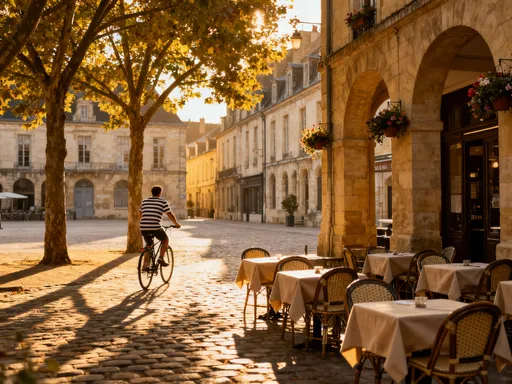
For those traveling without a car, reaching these quieter areas is still possible. Regional buses connect major towns along the lake, and bike rentals are widely available. Cycling the northern shore is particularly rewarding—the route follows quiet country roads, passes through vineyards, and offers frequent stops at small bakeries or farm stands selling fresh fruit and honey. Traveling slowly allows you to notice details: the way sunlight filters through leaves, the smell of damp earth after rain, the laughter of children playing in a hidden cove. These moments, small and unscripted, often become the most cherished memories of a trip.
Seasons of Change: Why Balaton’s Magic Shifts All Year Round
Lake Balaton is never the same twice. Each season paints the landscape in new colors, offering a fresh reason to return. Summer is the most popular time, with warm, clear waters ideal for swimming and sunbathing. Families gather on the southern beaches, children build sandcastles, and paddle boats dot the horizon. But summer’s charm lies not just in activity—it’s in the long, golden evenings when the air is soft and the sky glows for hours after sunset. Dinner at a lakeside grill, a glass of rosé in hand, watching the water turn from blue to silver—these are the moments that linger.
Autumn brings a quieter magic. The vineyards along the northern shore burst into color—amber, crimson, and gold—as grape harvests begin. This is a time of abundance: markets overflow with apples, pumpkins, and freshly pressed apple juice. The air cools, but the lake retains warmth, making early morning swims invigorating rather than chilly. Hiking trails become even more beautiful, carpeted with fallen leaves and lit by slanting sunlight. It’s a season for reflection, for slowing down, for savoring the last warmth before winter.
Winter at Balaton is often overlooked, but it holds a stark, poetic beauty. When temperatures drop, the lake sometimes freezes along the edges, creating delicate patterns of ice that sparkle in the sun. Frost coats the reeds, turning them into fragile sculptures. On clear days, the snow-covered hills reflect the blue sky, and the silence is profound. While swimming is not possible, thermal baths like those in Hévíz remain open year-round, offering a warm contrast to the cold air. It’s a time for hot tea, thick scarves, and long walks followed by hearty soups in cozy village inns.
Spring is perhaps the most magical season of all. Crocuses bloom on Tihany, orchards burst into white and pink blossoms, and migratory birds return to the wetlands. The water is cool but clean, and the countryside comes alive with new growth. This is the season of renewal, both in nature and for the spirit. For women who manage households through the long winter months, spring at Balaton feels like a personal rebirth—a chance to breathe deeply, move freely, and reconnect with joy.
How to Experience More: Mindful Travel Tips for Deeper Connection
Visiting Lake Balaton is more than a vacation—it can be a practice in presence. Choosing eco-friendly accommodations, such as family-run guesthouses with solar heating or organic gardens, supports sustainable tourism and enhances the experience. These stays often offer a more personal touch: homemade jams for breakfast, hand-drawn maps of local trails, and conversations with hosts who know the land intimately. Staying in smaller villages rather than large resorts allows for deeper immersion in the rhythm of local life.
Supporting local producers is another way to travel with intention. Farmers’ markets around the lake sell fresh bread, artisan cheeses, smoked lake fish, and seasonal fruits. Buying directly from growers ensures fair compensation and reduces environmental impact. A simple picnic—local cheese, crusty bread, a handful of grapes—becomes a celebration of place when eaten on a quiet shore at sunset. These small acts of mindful consumption create a stronger bond between visitor and landscape.
Transportation choices also shape the experience. Biking is one of the most rewarding ways to explore Balaton. Dedicated bike paths run along much of the shore, and the terrain is generally flat, making it accessible even for casual riders. A bicycle allows you to stop whenever something catches your eye—a wildflower, a view, a cat sunning itself in a village square. Boating, whether by rented electric boat or traditional rowing skiff, offers a peaceful perspective from the water. Moving slowly, without engine noise, heightens awareness of the natural world.
Finally, consider unplugging. Leaving the phone in the bag during a morning walk, journaling by the shore, or simply sitting in silence can transform a visit from a checklist of sights to a meaningful encounter with nature. These practices aren’t about perfection—they’re about creating space for stillness, for noticing, for remembering what matters. In a world that never stops, Balaton invites you to slow down and truly see.
Why Balaton Stays With You: The Lasting Impact of Natural Wonder
Long after the suitcase is unpacked and the photos are uploaded, Lake Balaton remains. It stays in the memory of cool water on sun-warmed skin, in the scent of pine carried on the evening breeze, in the quiet of a hilltop at dawn. More than a destination, it becomes a reference point—a reminder of what balance feels like. In a life filled with responsibilities, decisions, and constant movement, places like Balaton offer a different rhythm: one of stillness, clarity, and natural grace.
The psychological benefits of spending time in such landscapes are well supported by research. Exposure to natural environments has been linked to reduced stress, improved mood, and enhanced cognitive function. The vastness of the lake, the openness of the sky, the simplicity of a forest path—all these elements help quiet the mind and restore emotional equilibrium. For women who carry the weight of family, home, and community, this kind of renewal is not a luxury. It is a necessity.
But Balaton’s greatest gift may be its quiet lesson in resilience. Born from fire, shaped by water, and preserved by care, it stands as a testament to nature’s ability to transform and endure. It reminds us that beauty is not static—it moves, changes, adapts. And so can we. Each visit, whether brief or extended, adds to an inner reservoir of calm and strength that can be drawn upon in daily life.
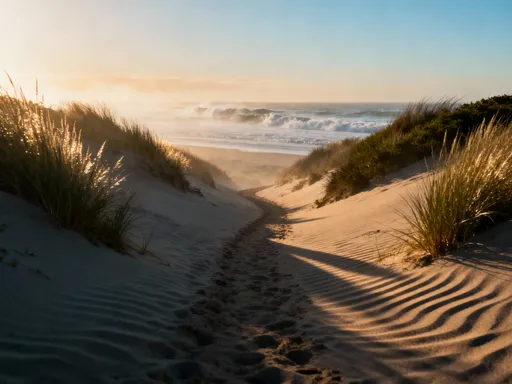
Yet this beauty is not guaranteed. Like all natural wonders, Balaton faces challenges—climate change, pollution, overdevelopment. Protecting it requires more than admiration; it demands action. Choosing sustainable travel, respecting protected areas, and supporting conservation efforts are ways to give back. Because the true purpose of visiting such a place is not just to take, but to honor—to leave not only footprints in the sand, but a commitment to preserve.
So when you stand on the shore, watching the light dance on the water, remember: you are part of this story now. Balaton has touched you, and in return, you can help ensure it touches others for generations to come. That is the deepest kind of travel—not just seeing the world, but becoming a guardian of its wonders.