You Won’t Believe How Stylish Oaxaca’s Hidden Shopping Streets Are
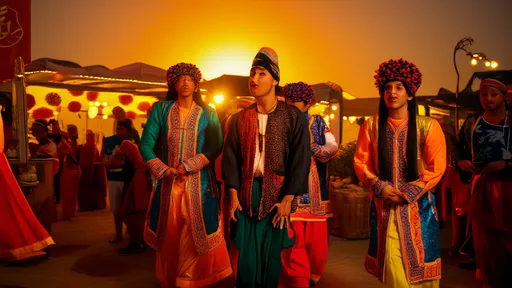
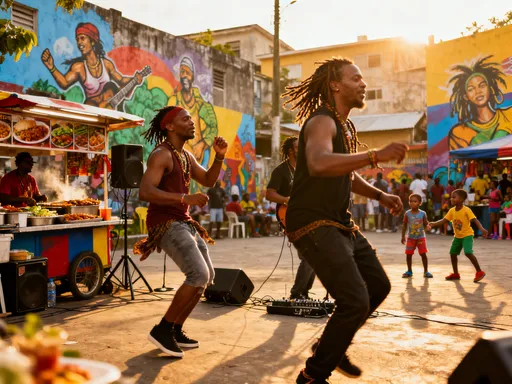
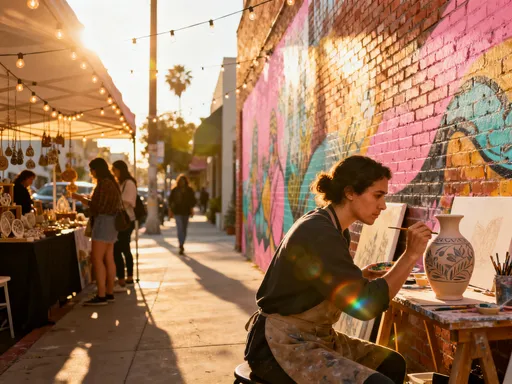
Oaxaca isn’t just about culture and color—it’s a visual paradise for anyone who loves to capture beauty in motion. Wandering through its bustling commercial zones, I was blown away by the vibrant textiles, hand-painted signs, and sun-drenched alleys that feel like stepping onto a film set. These streets aren’t just places to shop—they’re living backdrops waiting to be photographed. If you're chasing authentic, insta-worthy moments, this is where Oaxaca truly shines. Every step reveals a new composition: a vendor arranging handwoven rugs, a child balancing a basket of mangoes, or sunlight catching the edge of a cobalt-blue doorway. This city doesn’t perform for cameras—it simply lives, and in doing so, offers some of the most compelling street photography in Latin America.
The Heartbeat of Oaxaca: Where Commerce Meets Culture
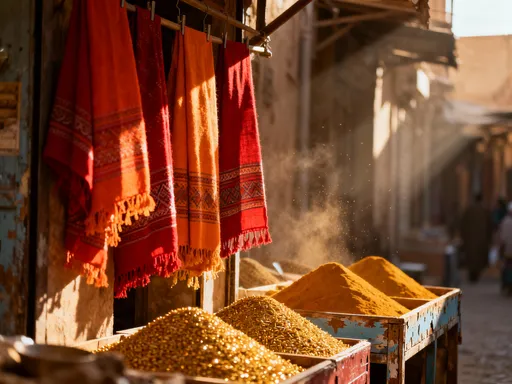
Oaxaca’s commercial districts are not curated for tourists; they pulse with the rhythm of daily life, where commerce and culture are inseparable. In the early morning, the city awakens with the clatter of market stalls being set up, the scent of fresh tortillas rising from open-air kitchens, and the low hum of negotiation in both Spanish and indigenous Zapotec. These are not static displays but dynamic environments where every interaction tells a story. The visual richness comes not from decoration, but from authenticity—colorful plastic tarps stretched over fruit stands, stacks of ripe plantains glowing in the sun, and hand-embroidered rebozos draped over wooden racks. This is street life in full color, unfiltered and alive.
What makes these spaces so visually compelling is their layered authenticity. Unlike staged photo opportunities, Oaxaca’s markets and shopping alleys function as true community hubs. A grandmother might be selling mole paste from a five-generation recipe while her granddaughter arranges clay figurines beside her. These moments unfold naturally, offering photographers the chance to capture not just objects, but relationships. The textures of daily existence—worn wooden counters, sun-faded signage, the sheen of polished stone from centuries of foot traffic—add depth and history to every frame. It’s this blend of function and artistry that turns ordinary commerce into extraordinary imagery.
For the observant traveler, the visual language of Oaxaca’s streets speaks volumes. Color is not used arbitrarily; it follows cultural rhythms. Deep reds and ochres echo the region’s earth pigments, while bright yellows and greens reflect the abundance of local agriculture. Even the way goods are displayed—symmetrical stacks of produce, cascading textiles, or the careful arrangement of pottery—reveals an innate sense of composition. Photographers don’t need to stage scenes here; they need only to notice the patterns already in place. The city itself becomes a collaborator in the creative process, offering endless variations on light, movement, and human expression.
Benito Juárez Market: A Feast for the Eyes (Not Just the Stomach)
At the heart of Oaxaca’s sensory experience lies the Benito Juárez Market, a labyrinth of narrow passageways lined with vendors offering everything from fresh chapulines (grasshoppers) to hand-carved alebrijes. While many come to taste the region’s famed moles or sample tlayudas the size of steering wheels, the market’s true magic lies in its visual abundance. The ceiling, made of stretched canvas, diffuses sunlight into a soft, golden glow that bathes the aisles in a painterly light. This natural illumination highlights the vivid hues of stacked produce—pyramids of red tomatoes, golden mangoes, and purple cactus fruit—creating a palette that feels almost surreal in its intensity.
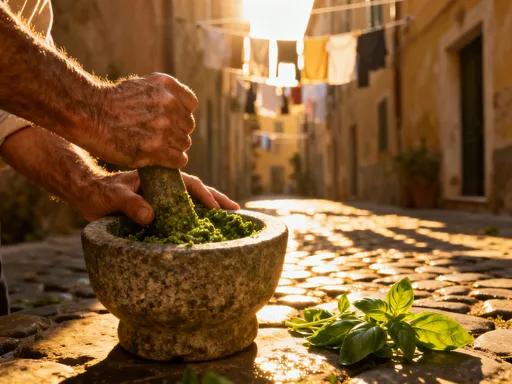
What sets Benito Juárez apart from more tourist-oriented markets is its authenticity. Shoppers here are just as likely to be local abuelas selecting herbs for dinner as they are curious visitors. This balance ensures that the market remains a living space, not a performance. The movement of people—vendors adjusting displays, children darting between stalls, cooks flipping tortillas over open flames—adds kinetic energy to any photograph. A single frame can capture multiple layers: a close-up of hands grinding spices in a molcajete, the blurred motion of a passing shopper, and the textured backdrop of woven baskets hanging from the rafters.
For photographers, timing is key. Early morning, between 8 and 10 a.m., offers the best light and fewer crowds, allowing for cleaner compositions. The air is cooler, the colors are sharper, and the market is still in its rhythm of setup and preparation. This is when you might catch a vendor unfurling a handwoven textile or arranging a display of handmade soaps in natural dyes. Midday brings harsher light, but also more activity—ideal for capturing candid moments of interaction. Late afternoon, as the sun begins to lower, casts long shadows and warm highlights, perfect for portraits of artisans at work.
When photographing in such an intimate space, respect is essential. Always ask permission before taking close-up portraits, especially of individuals working at their stalls. A simple smile and a gesture toward your camera often suffice. Many vendors are happy to pose if asked politely, and some may even invite you to photograph their goods in exchange for a small purchase. This exchange fosters connection and ensures that your images are not just visually rich, but ethically grounded.
Alcalá Street: The Fashionable Pulse of Local Design
Running from the Zócalo toward the Santo Domingo Church, Alcalá Street is Oaxaca’s most stylish commercial corridor, where colonial architecture meets contemporary craftsmanship. Unlike generic shopping districts, Alcalá is lined with family-run boutiques, artisan cooperatives, and textile studios that showcase the region’s deep textile heritage. The facades of 17th-century buildings, painted in soft pinks, yellows, and ochres, provide a timeless backdrop for modern storefronts featuring hand-embroidered blouses, naturally dyed garments, and intricate lacework. This blend of old and new creates a visual dialogue that is both elegant and deeply rooted in place.
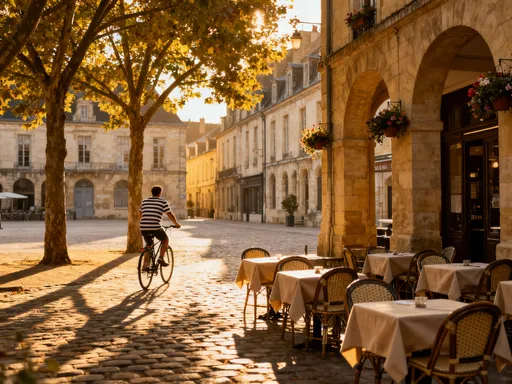
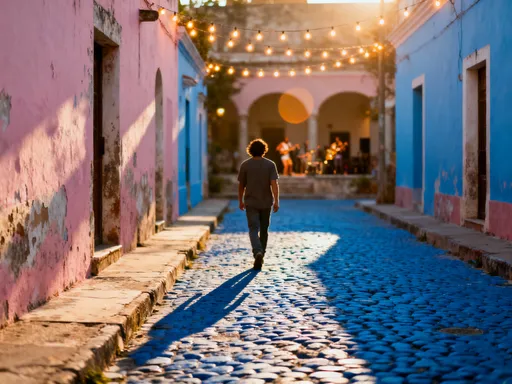
What makes Alcalá Street so photogenic is its architectural rhythm. The consistent height of the buildings, the repeating arches of the portales (covered walkways), and the wrought-iron balconies create a sense of order that frames spontaneous moments. A woman adjusting a display of embroidered huipiles in a sunlit window, a dog napping in the shade of a doorway, or a shaft of light cutting across a cobblestone street—all are elevated by the surrounding symmetry. The street’s orientation also plays a role: during midday, the high sun casts sharp shadows that emphasize texture, making it ideal for capturing the weave of a textile or the grain of hand-carved wood.
Local designers dominate the scene, many of whom are descendants of generations of weavers. Their shops often double as workshops, where visitors can watch artisans at pedal looms or learn about the natural dyes made from cochineal, indigo, and tree bark. These moments of creation—hands moving rhythmically, threads interlacing, colors blooming in dye vats—are inherently cinematic. Photographers can capture not just the final product, but the labor and love behind it. The interplay of light and shadow in these semi-open spaces adds drama, while the warm tones of adobe walls enhance the richness of the textiles on display.
To make the most of Alcalá Street’s visual potential, consider using a 50mm prime lens for balanced perspective and sharp detail. Shoot at a slightly lower angle to emphasize the height of the buildings and the depth of the arcades. Look for reflections in glass shopfronts or puddles after a light rain—these can add unexpected layers to your composition. And don’t rush. The best shots often come from waiting: a vendor stepping into the light, a child reaching for a brightly colored toy, or a sudden beam of sunlight illuminating a hand-painted sign.
Santo Domingo Square: When History Frames the Shot
At the eastern end of Alcalá Street lies the Santo Domingo de Guzmán Church and Cultural Center, a masterpiece of Baroque architecture that dominates one of Oaxaca’s most photogenic plazas. The square surrounding the church is more than a tourist attraction—it’s a living stage where history, culture, and daily life converge. Locals gather on benches under ancient laurel trees, children chase pigeons across the stone pavement, and street musicians play traditional melodies on marimbas. The sheer scale of the church—its golden filigree facade glowing in the afternoon sun—provides a monumental backdrop that elevates every photograph taken here.
For photographers, Santo Domingo Square offers unmatched compositional opportunities. A wide-angle lens captures the full grandeur of the church, the symmetry of the plaza, and the movement of people within the frame. This is where scale and detail coexist: the intricate carvings on the church’s portal can be appreciated alongside the casual gestures of everyday life. A woman adjusting her shawl, a couple sharing a snack, or a street vendor selling cotton candy—each moment gains significance when framed against centuries of history. The contrast between the ornate stone and the simplicity of modern dress creates a visual tension that is both elegant and human.
Golden hour transforms the square into a cinematic tableau. As the sun lowers, the church’s stonework catches a warm, amber light, while the shadows stretch across the plaza like brushstrokes. This is the ideal time for portraits, architectural details, and atmospheric scenes. A telephoto lens allows you to isolate moments—a vendor packing up her stand, a priest exiting the church, or a tourist sketching in a notebook—without intruding on the scene. The soft, directional light enhances texture and depth, making even simple compositions feel layered and intentional.
Beyond the visual appeal, Santo Domingo Square is a place of cultural continuity. The nearby cultural center houses the Museo de las Culturas de Oaxaca, where visitors can learn about the region’s indigenous heritage. This context enriches the photography experience, allowing you to understand the deeper meanings behind the symbols, textiles, and traditions on display. Images taken here are not just beautiful—they are connected to a living history that continues to shape Oaxacan identity.
Off-the-Beaten-Path Markets: Hidden Corners with Big Visual Payoff
Beyond the well-trodden paths of Benito Juárez and Alcalá Street lie quieter, lesser-known markets that offer some of the most rewarding photographic opportunities. The Mercado de Artesanías, located just behind the cathedral, is a compact but vibrant space dedicated entirely to handmade crafts. Here, the focus is on pottery, weaving, and jewelry, with vendors often working on their pieces right at their stalls. The lighting is softer, the crowds thinner, and the atmosphere more intimate—ideal conditions for unhurried, thoughtful photography.
One of the most striking features of these hidden markets is their uncluttered displays. Unlike larger markets where every inch is packed with goods, these smaller spaces allow for cleaner compositions. A single row of black clay pottery from San Bartolo Coyotepec, arranged on a straw mat, can fill a frame with texture and tonal contrast. A stack of handwoven rugs in natural dyes—deep indigo, rust, and sage—creates a color story all its own. Because these vendors often specialize in one craft, their stalls become curated exhibitions of skill and tradition.
Early mornings are the best time to explore these quieter markets. Between 7 and 9 a.m., the light filters gently through the narrow streets, casting soft highlights and minimal glare. The air is still cool, and the vendors are just beginning their day, often unfurling textiles or arranging fresh stock. These moments of preparation—hands smoothing a folded rebozo, fingers tying the final knot on a beaded necklace—are fleeting but powerful. They reveal the care and intention behind each object, turning a simple product into a narrative of craftsmanship.
Another hidden gem is the cluster of small vendors near the entrance of the Templo de la Compañía de Jesús, where local artisans sell embroidered blouses, silver jewelry, and miniature alebrijes. These stalls are often set against weathered stucco walls, their colors popping against the muted background. Because this area is less frequented by tour groups, interactions feel more personal. A simple conversation can lead to a photo opportunity—a vendor demonstrating how to wrap a traditional shawl, or a grandmother showing off a blouse she made for her granddaughter’s quinceañera. These are the moments that transcend tourism and touch the heart of Oaxacan life.
Color, Light, and Texture: What Makes These Streets So Photogenic
The visual power of Oaxaca’s shopping streets lies in a harmonious triad: color, light, and texture. Together, they create a sensory experience that is both immediate and enduring. The city’s palette is rooted in the natural world—earthy terracottas, sun-bleached yellows, deep cobalt blues, and the vibrant greens of tropical foliage. These colors are not applied arbitrarily; they reflect the region’s geography, from the red clay used in pottery to the indigo once traded across Mesoamerica. Even modern storefronts adhere to this palette, creating visual continuity across centuries.
Light in Oaxaca is a sculptor. The city’s narrow streets and overhanging balconies create natural light modifiers, filtering the sun into dappled patterns and sharp contrasts. In the morning, low-angle light streams through alleyways, illuminating dust motes and highlighting the texture of adobe walls. At midday, the high sun casts crisp shadows that define architectural details and emphasize the geometry of market stalls. In the late afternoon, the golden hour bathes everything in a warm, honeyed glow, softening edges and enhancing color saturation. Photographers who understand these patterns can anticipate the best moments for specific types of shots—portraits, details, or wide scenes.
Texture is the third pillar of Oaxaca’s visual appeal. The city is a tactile landscape: rough-hewn stone, hand-planed wood, woven palm fronds, and the nubby surface of hand-loomed fabric. These textures add depth and realism to photographs, inviting the viewer to imagine the feel of a surface as much as its appearance. A close-up of a weaving in progress—threads taut on the loom, fingers guiding the shuttle—tells a story of patience and precision. The cracked stucco of a centuries-old wall, patched and repainted, speaks of resilience and continuity. Even the food markets offer textural contrasts: the glossy skin of a ripe mango, the fuzzy peel of a mamey, the craggy surface of a handmade tortilla.
Together, these elements create a visual language that is both accessible and profound. You don’t need to be a professional photographer to appreciate it, but understanding how color, light, and texture interact can elevate your images from snapshots to storytelling. The key is observation. Slow down. Look closely. Notice how a shadow falls across a doorway, how a splash of red fabric contrasts with a blue wall, how the light catches the edge of a ceramic bowl. These are the details that make Oaxaca’s streets not just photogenic, but unforgettable.
Photography Etiquette & Practical Tips: Capture Beauty Without Disruption
Responsible photography is essential in a place as culturally rich as Oaxaca. While the streets offer endless visual inspiration, it’s important to remember that these are not sets—they are real communities where people live, work, and raise families. Always approach photography with respect and humility. For portraits, especially of individuals at their stalls or in their homes, ask permission first. A simple nod, a smile, or a polite “¿Puedo tomar una foto?” goes a long way. Many people will say yes, especially if you take a moment to engage and show genuine interest in their craft.
When photographing in markets or crowded areas, avoid using flash, which can be disruptive and intrusive. Instead, rely on natural light and a higher ISO setting if needed. A lightweight mirrorless camera or a compact DSLR with a 35mm or 50mm prime lens is ideal for street photography—discreet, fast, and capable of excellent low-light performance. Keep your bag secure but accessible, and be mindful of your surroundings, especially in busy areas where pickpocketing can occur.
Practical preparation enhances both comfort and creativity. Wear comfortable walking shoes—Oaxaca’s streets are mostly cobblestone, and you’ll likely cover several miles in a day. Carry a refillable water bottle, especially during the warmer months, and consider a lightweight hat for sun protection. A local SIM card with data can be invaluable for navigating with maps and finding specific shops or markets. And always carry small bills—vendors in smaller markets may not accept cards, and having cash on hand allows you to make quick purchases, which can open doors to more authentic interactions.
Finally, remember that the best photographs often come from patience and presence. Don’t rush from one spot to the next. Sit on a bench. Watch. Wait. Let the scene unfold. The most powerful images are not the ones you chase, but the ones that reveal themselves when you slow down. A vendor laughing with a customer, a child reaching for a balloon, a shaft of light hitting a pile of textiles—these moments are fleeting, but they carry the soul of the city.
Conclusion
Oaxaca’s commercial streets are more than shopping destinations—they’re open-air galleries shaped by culture, craft, and daily life. Every corner offers a frame-worthy moment, not because they’re staged, but because they’re real. By slowing down, observing respectfully, and embracing the rhythm of the city, photographers don’t just take pictures—they tell stories. The true magic? These visuals aren’t found in guidebooks. They’re waiting in the light, the colors, and the quiet hum of a market waking up. Go see—and shoot—it for yourself.