You Gotta See This: My Mind-Blowing Canyon Views That Changed Everything
Standing at the edge of the Grand Canyon, I felt like the world had stopped spinning. Nothing prepares you for that first glimpse—layers of red rock stretching into infinity, carved by time and river. It’s not just a view; it’s a feeling. I went chasing iconic viewpoints, but ended up finding something deeper: the quiet power of nature’s grandeur. This is more than a travel log—it’s a real talk about what happens when you finally see what you’ve only dreamed of.
The First Glimpse: Where the Magic Begins
For many, the journey to the Grand Canyon culminates at the South Rim, the most accessible and visited entry point of Grand Canyon National Park. As the shuttle bus rounds the final bend and the road opens to the vista, there it is—the immense chasm revealing itself in slow motion. The first sight of the canyon often triggers a hush among onlookers, as if sound itself is swallowed by the scale of the landscape. The air is dry and crisp, carrying the faint scent of juniper and sun-warmed stone. A raven circles overhead, its call echoing against the walls of rock that plunge over a mile below. This is not just scenery—it’s a sensory awakening.
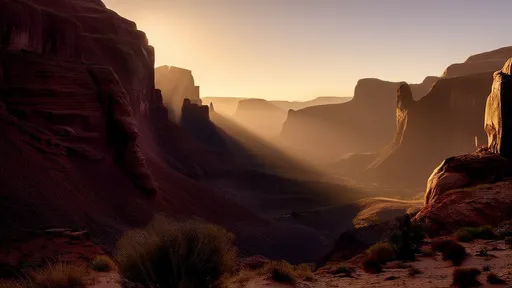
Mather Point remains one of the most recommended first stops for good reason. Positioned along the eastern stretch of the South Rim, it offers a wide, unobstructed view of the canyon’s heart, where the Colorado River snakes through ancient rock layers like a silver thread. At sunrise, the light spills over the eastern cliffs, igniting the strata in hues of amber, rust, and rose. Because of its popularity, arriving before 7 a.m. is essential for those seeking a more intimate experience. By mid-morning, the parking lots fill quickly, and shuttle buses become the most reliable way to navigate between viewpoints.
The National Park Service operates a free, efficient shuttle system that runs from early morning until evening, connecting major overlooks and visitor centers. This not only reduces traffic congestion but also allows visitors to focus on the views rather than the stress of finding a parking spot. First-time travelers are encouraged to begin their journey at the Grand Canyon Visitor Center, where rangers provide up-to-date trail conditions, weather alerts, and personalized recommendations. From there, the shuttle glides smoothly toward Mather Point, delivering guests directly into the heart of wonder.
Hidden in Plain Sight: Surprising South Rim Gems
While Mather Point and other well-known overlooks draw the crowds, some of the most profound canyon experiences happen just off the beaten path. Shoshone Point, for example, is a hidden gem that offers solitude and breathtaking views without requiring technical hiking skills. Located about a mile and a half from the nearest shuttle stop, this quiet promontory juts into the canyon, providing a panoramic eastward outlook that few ever witness. The trail is unpaved but well-marked, winding through pinyon pine and sagebrush, with occasional glimpses of the abyss through the trees.
What makes Shoshone Point special is not just its beauty, but its stillness. Unlike the bustling hubs near Grand Canyon Village, this spot allows for quiet reflection, the kind that lets the mind settle and the spirit expand. Photographers will appreciate the soft, diffused light in the late afternoon, while early risers might catch the morning fog clinging to the canyon floor like a ghostly veil. Because it’s not serviced by shuttles and lacks guardrails, it remains a destination for those willing to walk a little farther for a little more peace.
Another underrated viewpoint is Pipe Creek Vista, accessible via a short drive south of the main park entrance. This overlook, maintained by the Kaibab National Forest, sits just outside the park boundary and offers a dramatic, south-facing perspective of the canyon’s layered walls. The parking area is small, and the trail to the edge is only a few hundred feet long, making it ideal for families or those with limited mobility. What it lacks in elevation it makes up for in intimacy—the sense that you’re standing at the edge of a world both ancient and alive.
These lesser-known spots remind us that discovery is still possible, even in one of the most visited national parks in the United States. They reward curiosity and a willingness to explore beyond the obvious. For travelers seeking not just to see the canyon but to feel it, these quiet corners offer a deeper connection—one that lingers long after the trip ends.
East vs. West: Choosing Your Canyon Experience
The Grand Canyon is vast, stretching over 270 miles from end to end, and not all visitor experiences are the same. Two of the most common entry points—Grand Canyon Village on the South Rim and Grand Canyon West on the western edge—offer distinctly different atmospheres and access points. Understanding the differences can help travelers choose the experience that best aligns with their expectations and values.
Grand Canyon Village, located within Grand Canyon National Park and managed by the National Park Service, emphasizes preservation, education, and natural immersion. The entrance fee contributes directly to park maintenance, ranger programs, and conservation efforts. Here, the focus is on the canyon itself—its geology, ecology, and cultural history. Facilities are designed to blend with the environment, and commercial activity is limited to essential services like food, lodging, and guided tours operated under strict guidelines.
In contrast, Grand Canyon West, situated on Hualapai Tribal Land, is known primarily for the Skywalk—a transparent glass bridge that extends over the canyon’s edge, allowing visitors to stand suspended 4,000 feet above the floor. While this attraction offers a unique photo opportunity, it comes with a different set of expectations. Access is through a private tour system, and the cost is significantly higher than the national park entrance fee. The experience is more commercialized, with designated viewing areas, souvenir shops, and packaged meal options.
Visitors to Grand Canyon West should approach the experience with cultural sensitivity. The Hualapai Nation welcomes guests to their land and shares their heritage through interpretive exhibits and occasional performances, but photography restrictions may apply in certain areas out of respect for tribal customs. Unlike the national park, where pets are restricted and drones are prohibited, Grand Canyon West has different rules, though they still emphasize safety and environmental care.
For those seeking an authentic connection with the natural landscape, the South Rim remains the preferred choice. For others drawn to a modern marvel and a thrilling visual experience, the Skywalk offers a memorable moment. The decision ultimately depends on what kind of memory you hope to take home—whether it’s the quiet awe of standing at the rim of one of Earth’s greatest wonders or the adrenaline of walking on glass above it.
Views with a Story: Historic Lookouts and Their Legacy
Some of the Grand Canyon’s most powerful viewpoints are not just scenic—they are steeped in history and design. Hopi Point, Yavapai Point, and the Desert View Watchtower are more than places to take photographs; they are monuments to early 20th-century visionaries who believed the canyon should be experienced with both wonder and understanding. These sites were carefully planned to enhance the visitor experience while preserving the integrity of the landscape.
Hopi Point, located along the Hermit Road on the South Rim, is renowned for its panoramic westward views, especially at sunset. As the sun dips below the horizon, the canyon walls glow in deep oranges and purples, a phenomenon that has drawn photographers and contemplative travelers for decades. The point is named after the Hopi people, whose ancestral lands lie to the east, and whose cultural connection to the region spans centuries. Interpretive signs at the site offer insights into Hopi cosmology and their relationship to the land, adding depth to the visual experience.
Yavapai Point, home to the Yavapai Geology Museum, provides one of the clearest explanations of how the canyon was formed. Built in 1928, the museum features large observation windows and interactive exhibits that illustrate the forces of erosion, uplift, and time that shaped the canyon over millions of years. Rangers often give short talks here, using maps and rock samples to bring the story to life. Standing at the overlook, visitors can trace the path of the Colorado River with their eyes, following its journey through layers of limestone, shale, and granite that date back nearly two billion years.
The Desert View Watchtower, designed by architect Mary Colter and completed in 1932, is perhaps the most iconic structure on the South Rim outside of the village itself. Inspired by ancestral Puebloan watchtowers, the 70-foot stone tower blends seamlessly into the landscape while offering one of the most expansive views in the park. Climbing to the top rewards visitors with a 360-degree panorama that includes the confluence of the Colorado and Little Colorado Rivers—a sacred site for several Native Nations. Colter’s attention to detail, from the interior murals to the handcrafted railings, reflects a deep respect for indigenous art and architecture.
These historic overlooks are best experienced as part of a longer walk along the Rim Trail, a paved, mostly flat path that connects many of the major viewpoints. Stretching over 13 miles from South Kaibab Trailhead to Hermits Rest, the trail is accessible to walkers of all ages and abilities. By combining movement with moments of stillness, travelers can engage with the canyon on multiple levels—physical, emotional, and intellectual. Each step becomes a way of honoring the legacy of those who worked to protect and share this extraordinary place.
Beyond the Rail: Experiencing the Canyon on Foot
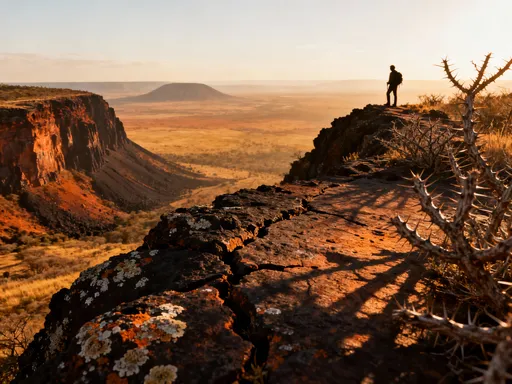
While viewing the Grand Canyon from the rim is unforgettable, stepping below the edge transforms the experience entirely. Even a short descent into the canyon—just half a mile—shifts your perspective in ways that are difficult to describe. The scale becomes more personal, the silence more profound, and the rock walls, once distant, now tower overhead like ancient cathedrals. This is where the canyon reveals its true depth, not just in feet, but in feeling.
The Bright Angel Trail and the South Kaibab Trail are the two most popular routes for rim-to-canyon exploration. Bright Angel, maintained by the National Park Service, is the more gradual of the two, with shade structures, water stations (seasonal), and regular signage. It’s ideal for first-time hikers or families with older children. South Kaibab, while steeper and more exposed, offers unparalleled views from the very first switchback. Many visitors choose to hike down a short distance—perhaps to Ooh Aah Point or Cedar Ridge—before turning back, satisfied with a taste of the canyon’s interior.
One of the most important lessons the Grand Canyon teaches is humility. It’s easy to underestimate the challenge of hiking in extreme environments, where temperatures can vary by 20 degrees between rim and inner canyon, and where dehydration happens faster than expected. Park rangers consistently warn against the “down in, up out” mistake—hiking down when cool and strong, then struggling to climb back under the midday sun. The rule of thumb is simple: hike down only a quarter of the distance you think you can handle on the way up.
Personal stories from the trail reinforce this wisdom. One visitor recalled starting a descent at 9 a.m., feeling energetic and confident, only to find the return climb exhausting by noon. Another shared how a brief stop at a resthouse became a moment of revelation—sitting in silence, listening to the wind echo through the canyon, realizing that the journey wasn’t about distance, but presence. These moments of clarity are common among those who venture even a short way below the rim.
For those not ready to hike, the park offers ranger-led walks along the Rim Trail, interpretive talks at overlooks, and even mule rides to Phantom Ranch (reservations required months in advance). Each option provides a different way to engage with the landscape, but all share a common thread: the deeper you go—physically or emotionally—the more the canyon gives back.
Time It Right: Chasing Light, Not Crowds
The Grand Canyon is never the same twice. Its appearance shifts with the hour, the season, and the weather, offering a new masterpiece each time you look. Understanding these rhythms can transform a good visit into a transcendent one. The key is not just to see the canyon, but to see it at its most expressive moments—when light and shadow dance across its walls, and when the air holds its breath.
Sunrise and sunset are universally acclaimed, but they attract crowds. For a balance of beauty and solitude, early morning at Lipan Point offers a quieter alternative to the more famous Hopi Point. From this southeastern overlook, the rising sun floods the eastern canyon with warm, golden light, highlighting the intricate layering of rock that tells the story of Earth’s evolution. By arriving before 6:30 a.m., visitors can claim a spot without jostling for space, and enjoy the gradual awakening of the landscape.
Sunset at Hopi Point remains a must for good reason. As the sun sinks behind the western rim, the canyon glows in deepening shades of red and purple, with long shadows stretching across the buttes and spires. The atmosphere grows still, punctuated only by the occasional whisper of wind or distant birdcall. Because of its popularity, the Hopi Point shuttle often fills up quickly in the hour before sunset, so planning ahead is essential. Some travelers opt for a late afternoon hike along the Rim Trail to arrive with time to spare, turning the journey itself into part of the experience.
Seasonal changes also play a crucial role. Summer brings long days and vibrant light, but also haze from distant wildfires and afternoon thunderstorms. Winter, though colder, offers exceptional clarity, with snow-dusted rims enhancing the contrast between rock and sky. Few sights are as striking as the Grand Canyon after a fresh snowfall, when the red walls stand out against a blanket of white, and the silence feels almost sacred.
The park’s shuttle system is a vital tool for timing your visit right. Instead of wasting time searching for parking or navigating narrow roads, visitors can use the shuttles to hop between viewpoints with ease. The system runs on a reliable schedule, with real-time updates available through the National Park Service app. By planning your route around sunrise, sunset, or seasonal conditions, you can experience the canyon not just as a destination, but as a living, breathing work of art.
Why We Keep Coming Back: The Emotional Pull of the Canyon
People return to the Grand Canyon for many reasons—family traditions, photographic pursuits, or the simple joy of being in a place that feels larger than life. But beneath these surface motivations lies something deeper: a longing for perspective. In a world filled with noise, distraction, and constant change, the canyon offers stillness, continuity, and awe. It doesn’t just impress the eye—it recalibrates the soul.
For some, the canyon becomes a marker of personal growth. A mother might return every five years to hike a little farther with her children, measuring time not in calendars but in milestones achieved on the trail. A widow might revisit a favorite overlook to remember a shared journey with her late husband, finding comfort in the permanence of the landscape. These emotional connections turn the canyon into more than a park—they make it a sanctuary.
This deep bond also carries responsibility. The very qualities that draw us—its beauty, its scale, its silence—are fragile. Litter, off-trail hiking, and disrespectful behavior can erode the experience for others and harm the ecosystem. The National Park Service emphasizes Leave No Trace principles: pack out all trash, stay on designated paths, and avoid feeding wildlife. These simple actions ensure that the canyon remains unspoiled for future generations.
Visitors are also encouraged to honor the cultural significance of the land. The Grand Canyon is home to 11 federally recognized Native Nations, each with deep historical and spiritual ties to the region. Respecting tribal lands, following posted guidelines, and supporting authentic indigenous enterprises—such as guided tours or artisan markets—are meaningful ways to travel with integrity.
Ultimately, the Grand Canyon is not just a place to visit, but a moment to cherish. It reminds us that some things cannot be rushed, bought, or replicated. In a world of fleeting trends and digital distractions, it stands as a timeless anchor—a testament to the power of nature to humble, heal, and inspire. Whether it’s your first time standing at the rim or your fiftieth, the canyon has a way of making you pause, breathe, and remember what matters most.