Lost in the Rhythm of San Juan’s Festive Soul
Have you ever felt a city breathe through its celebrations? In Old San Juan, every cobblestone seems to hum with the pulse of tradition. I wandered without a map, letting festival drums guide me—salsa spilling from alleys, flags fluttering above candlelit plazas. This isn’t just tourism; it’s immersion. Slowing down revealed the heart of Puerto Rico: alive, proud, and dancing through history. Here, festivity isn’t performed—it’s lived.
The Pulse of Slow Travel in a Colonial Gem
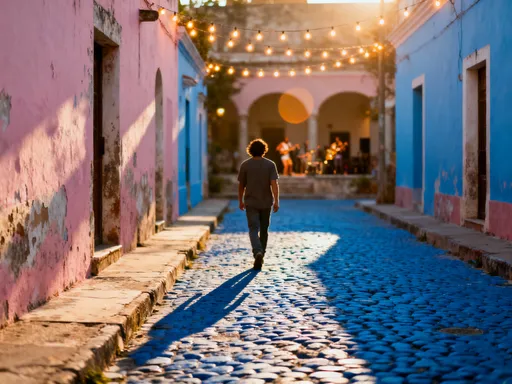
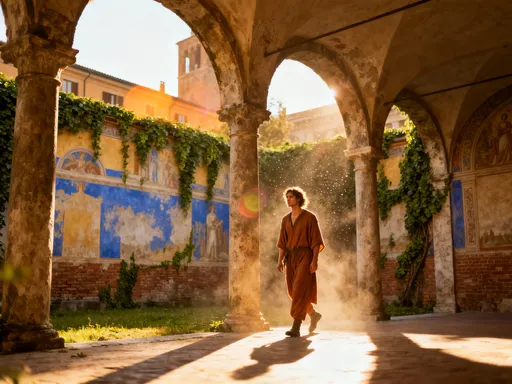
Old San Juan is not a city meant to be rushed. Its charm unfolds gradually, like the morning mist rising from the Atlantic waves that kiss its northern walls. The blue cobblestones—made from ballast stones brought by Spanish galleons centuries ago—bear the weight of history with quiet dignity. Walking them barefoot at dawn, one feels the coolness of the past beneath their feet, a tactile reminder that this is not a museum exhibit but a living neighborhood. Unlike typical tourist circuits that prioritize checklists and photo ops, slow travel in Old San Juan invites presence. It asks visitors to linger over a cup of coffee in Plaza de Armas, to watch fishermen mend nets near La Perla, to notice how the light shifts on pastel-colored facades as the day unfolds.
There is a rhythm to daily life here, distinct from the pace of modern cities. By arriving early, before tour buses crowd the narrow streets, travelers witness the city waking up. Bakers pull warm *pan de agua* from ovens. Elderly residents sit on wooden benches, exchanging stories in rapid-fire Spanish. The scent of jasmine drifts from courtyard gardens hidden behind iron gates. These moments are not staged; they are ordinary, yet profoundly meaningful. When visitors slow down, they stop being outsiders looking in and begin to feel the subtle pulse of community. This shift—from observation to participation—is where true cultural connection begins.
Slow travel also fosters respect. Rather than treating historic sites as photo backdrops, mindful travelers learn their significance. They understand that the blue stones were once part of transatlantic journeys, that the forts of El Morro and San Cristóbal defended the island for centuries, and that the churches hold generations of family memories. With this awareness comes humility. Instead of rushing from landmark to landmark, travelers find deeper satisfaction in spending an hour watching artisans paint wooden santos or listening to a local historian recount tales of pirate raids and royal decrees. In this space of stillness, the city reveals itself not as a destination, but as a story still being written.
Festivals as Living Heritage: More Than Just Celebration
In San Juan, festivals are not seasonal attractions—they are threads woven into the fabric of everyday life. Events like the Fiesta de Santa Ana in the historic neighborhood of Santa Ana or the early-morning serenades of Las Mañanitas during Christmas time reflect a deep continuity of tradition. These gatherings are not curated for tourists; they emerge organically from the community, sustained by generations who see cultural preservation as both duty and joy. The music, dance, food, and rituals are expressions of identity, shaped by centuries of blending Taíno, African, and Spanish influences.
One of the most powerful manifestations of this heritage is the drumming that echoes through the streets during festivals. In barrios like Santurce and La Perla, Afro-Caribbean rhythms played on congas, bongos, and barriles connect people to ancestral roots. At dawn on festival days, small drum circles form in plazas, led by elders who pass down techniques through demonstration rather than formal instruction. Children watch intently, then mimic the hand movements, learning not just music but history. The beats are not merely entertainment—they are a form of storytelling, a way of honoring those who came before.
Dance is equally significant. During events like the Fiesta de Santiago Apóstol, residents perform traditional bomba and plena, dances born from the experiences of enslaved Africans and rural laborers. The movements are grounded, rhythmic, responsive. In bomba, the dancer leads the drummer, creating a call-and-response dialogue between body and beat. These dances are not performed on stages for applause but in open spaces where neighbors gather, clapping and singing along. Participation is open, though always rooted in respect for the form. Visitors who take the time to observe first, to understand the context, may be gently invited to join—a gesture of inclusion that carries deep meaning.
Food also plays a sacred role in these celebrations. Families prepare dishes like *arroz con gandules*, *lechón asado*, and *tembleque* using recipes passed down through generations. Meals are shared communally, often on long tables set up in the street. This act of sharing is not incidental—it is central to the spirit of the festival. It reflects a worldview in which abundance is meant to be distributed, and joy is multiplied when experienced together. For the slow traveler, partaking in these meals—even if only as a guest—is a way of honoring the culture beyond sightseeing.
Why Timing Your Visit Around Local Festivities Matters
Choosing when to visit San Juan can transform a pleasant trip into a life-enriching experience. While the island welcomes tourists year-round, aligning travel with local festivals offers access to authentic cultural expressions that cannot be replicated. Major events like Fiestas de la Calle San Sebastián in January draw international attention, but smaller, neighborhood-based celebrations often provide even richer encounters. These include the Fiesta de Santa Ana in July, the patron saint festival of San Juan Bautista in June, and various Christmas-season *parrandas* that bring music and song to homes late into the night.
One of the greatest benefits of visiting during these times is witnessing traditions in their natural context. Unlike staged performances, these events unfold spontaneously, shaped by the mood of the community. A traveler might stumble upon a spontaneous *baquiné de Santiago*—a traditional gathering honoring Saint James—with drumming, prayer, and shared food. There are no tickets, no schedules, and no formal announcements. These moments exist because people choose to keep them alive, not because they attract tourists.
To experience such authenticity, travelers should consult official municipal calendars, engage with local cultural centers, and talk to residents. Many festivals are listed on the website of the Instituto de Cultura Puertorriqueña or posted in community bulletin boards. However, it is equally important to approach these events with humility. Some moments are sacred, not spectacles. A midnight prayer during a religious procession, for instance, is not a photo opportunity but an act of faith. Observers should dress modestly, remain quiet during solemn parts, and never interfere with rituals.
The emotional reward of respectful participation is profound. There is a difference between seeing a dance and feeling its rhythm in your chest, between hearing music and understanding that it carries the hopes and struggles of a people. When travelers align their journeys with the local calendar, they do not merely witness culture—they become temporary witnesses to its continuity. This kind of travel fosters empathy, deepens understanding, and leaves a lasting impression far beyond any souvenir.
Walking the Beat: A Day in the Life During Festival Season
Imagine waking not to an alarm, but to the distant beat of a conga drum. The sun spills over the rooftops of Old San Juan, painting the pink and yellow walls in golden light. You step outside your guesthouse and inhale the scent of fried plantains and strong coffee. At a corner kiosk run by a family for three generations, you order *café con leche* and a *pastelillo de carne*. The vendor smiles, recognizing you from yesterday. This small acknowledgment—being seen as more than a passerby—is one of the quiet joys of slow travel.
By mid-morning, the neighborhood begins to stir with preparation. In the plaza, children paint paper masks for the afternoon procession. Elders sit on folding chairs, tuning instruments and rehearsing lyrics. A group of teenagers practices a bomba routine, their feet kicking up dust in rhythm with the drums. You join the crowd not as a spectator, but as a neighbor for the day. There is no pressure to perform, only to be present. When the procession begins, you fall into step behind the statue of the patron saint, carried on the shoulders of local men. The route is not mapped for efficiency but follows tradition—past the church, around the plaza, down the alley where the oldest families live.
In the afternoon, the energy shifts. The heat lingers, but so does the music. From open windows, *música jíbara* drifts out—harp, cuatro, and voice telling stories of love, loss, and the land. You find shade at a small *fondita* where a grandmother serves *arroz con gandules* and slices of fresh mango. She speaks little English, but her gestures are warm. You learn that today’s meal is cooked in honor of her late husband, who used to play the güiro in the town band. Sharing this meal feels like receiving a gift, not just of food, but of memory.
As evening falls, string lights flicker on. A *parranda* forms—a group of musicians who go from house to house singing *aguinaldos*. You are invited to follow, carrying a small lantern. At each stop, doors open, voices rise, and plates of *coquito* and *brazo gitano* are offered. No one rushes. No one checks their phone. The night unfolds at its own pace, guided by song and solidarity. By the time you return to your room, your feet are tired, but your heart is full. This is not a performance. It is life, lived with intention and joy.
Beyond the Headliners: Discovering Hidden Neighborhood Celebrations
While Old San Juan draws the most visitors, some of the island’s most vibrant cultural expressions happen beyond the postcard-perfect plazas. Neighborhoods like La Perla, perched between the city walls and the sea, and Santurce, known for its murals and creative energy, host intimate, community-centered events that reflect local pride. These are not tourist attractions, but living traditions maintained by residents who value connection over commerce. To experience them requires curiosity, patience, and respect.
In La Perla, a tight-knit fishing community, celebrations often begin spontaneously. A birthday, a safe return from sea, or a religious feast can spark music, dancing, and shared meals on the narrow streets. Visitors are sometimes welcomed, but entry is not guaranteed—it depends on trust. The best way to gain access is through local guides who are rooted in the community. Ethical walking tours, led by residents, offer a bridge between cultures, allowing outsiders to witness traditions without disrupting them. These guides emphasize listening, observing, and expressing gratitude.
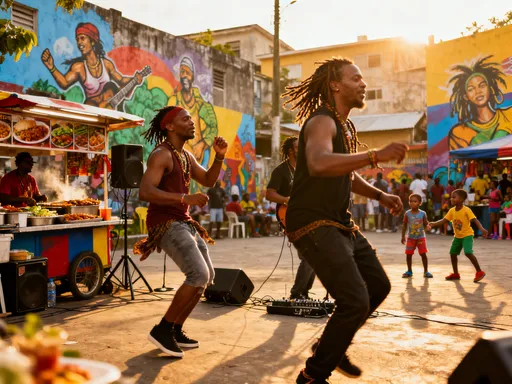
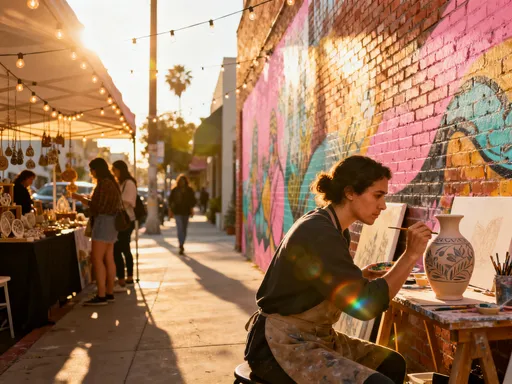
Santurce, meanwhile, pulses with creative energy. During events like Santurce es Ley, a street art and music festival, the neighborhood transforms into an open-air gallery. Local artists paint murals that tell stories of resistance, resilience, and identity. Musicians perform in vacant lots turned stages. Food vendors serve *alcapurrias*, *bacalaitos*, and *piraguas*, each bite carrying flavor and history. Unlike commercial festivals, this event is driven by community organizations, not corporate sponsors. The atmosphere is festive but grounded, joyful but purposeful.
Exploring these spaces requires a shift in mindset. Travelers must let go of the need to document everything and instead focus on being present. They should avoid intrusive photography, refrain from treating homes or rituals as backdrops, and always ask before entering private spaces. The goal is not to collect experiences but to honor them. When done with humility, these visits foster mutual respect and create lasting connections between visitors and hosts.
Savoring Culture: Food, Music, and the Art of Lingering
In Puerto Rico, culture is not confined to museums or performances—it is served on plates, sung in kitchens, and shared in courtyards. Food and music are not accessories to festivity; they are its essence. A slow traveler learns that the most meaningful moments often happen off the main stage, in the quiet exchanges between people. The aroma of *sofrito* sautéing in olive oil, the sound of a cuatro tuning before a serenade, the sight of abuela folding *pasteles* with practiced hands—these are the true markers of cultural richness.
Meals in San Juan are rarely hurried. They are events, sometimes lasting hours, where conversation flows as freely as the wine. During festivals, food takes on added significance. Dishes are prepared not just for taste but as offerings—to saints, to ancestors, to the community. Participating in these meals, even as a guest, is a form of cultural exchange. It requires openness, gratitude, and a willingness to try new flavors, from the spicy kick of *ajíes dulces* to the creamy sweetness of *dulce de leche*.
Music, too, is woven into daily life. Unlike in many places where music is reserved for concerts or clubs, in San Juan, it spills into the streets. A birthday might be celebrated with an impromptu *parranda*. A wake might be honored with a *baquiné*, where songs and stories keep the spirit of the departed alive. These gatherings are not always open to outsiders, but when visitors are invited, they are expected to listen more than speak, to absorb rather than perform. The reward is not entertainment, but connection.
The art of lingering—of staying long after the official event ends—is where the deepest understanding grows. It is in these quiet moments, when the crowd has thinned and the musicians pack up their instruments, that real conversations happen. A local might share a family story, a recipe, or a memory of how things used to be. These are the gifts of slow, respectful travel—intangible, irreplaceable, and deeply human.
Carrying the Spirit Forward: How Slow Festive Travel Changes You
The rhythms of San Juan do not fade when the trip ends. They linger—in the way you listen more closely to music, in the way you savor a meal, in the way you notice the traditions in your own community. Slow festive travel is not just about where you go; it is about how you return. It reshapes your values, teaching you that the richest experiences are not the most convenient, but the most connected.
This kind of journey cultivates patience. It reminds you that culture cannot be rushed, that understanding grows through presence, not possession. It encourages you to travel not as a consumer, but as a guest—one who listens before speaking, observes before acting, and gives thanks before leaving. These principles extend beyond tourism. They influence how you engage with difference, how you honor tradition, and how you build relationships.
For the women who travel in midlife—often juggling family, work, and personal renewal—this approach offers a rare gift: permission to slow down, to be present, to reconnect with joy. In the drumbeats of San Juan, in the shared meals, in the candlelit processions, there is a reminder that life, at its best, is a celebration. Not because everything is perfect, but because people choose to honor what matters.
So as you plan your next journey, consider not just the destination, but the depth. Seek not only sights, but shared humanity. Let the festivals of San Juan inspire a new way of moving through the world—one step, one song, one moment at a time. Because when we travel with open hearts, we do not just see the world. We become part of its rhythm.