Pasta, Piazzas & Perfect Light: My Food-Lover’s Journey Through Genoa
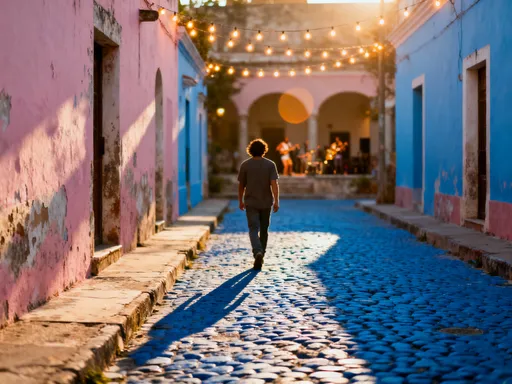
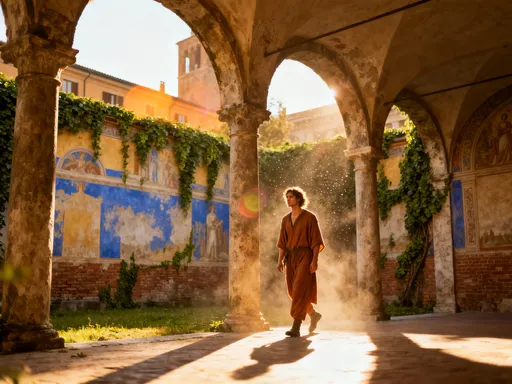
Wandering through Genoa’s narrow alleys, I wasn’t just chasing flavors—I was hunting moments. Golden pesto glistening under soft Mediterranean light, fish markets buzzing at dawn, cobblestone streets glowing in the evening sun. This isn’t just a food trip; it’s a sensory film reel waiting to be shot. Genoa blends authentic Ligurian cuisine with picture-perfect backdrops, where every bite tells a story—and every corner begs for a photo. If you crave meals that dazzle both your palate and your feed, this is your next destination. More than a culinary escape, Genoa offers a rhythm of life rooted in tradition, light, and connection—a place where food, culture, and beauty unfold naturally, inviting travelers to experience Italy as it was meant to be lived.
Why Genoa? The Hidden Gem of Northern Italy
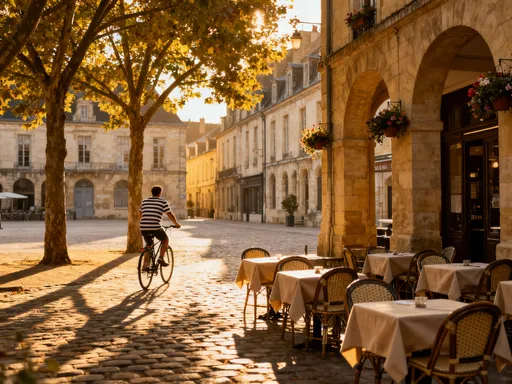
Often overshadowed by the grandeur of Rome or the romance of Venice, Genoa stands as a quietly magnificent coastal jewel on Italy’s northwestern shore. As the capital of the Liguria region and a historic maritime republic, Genoa carries centuries of cultural depth, yet remains refreshingly untouched by mass tourism. Unlike more crowded Italian cities, where charm can be diluted by long lines and souvenir shops, Genoa retains an air of authenticity. Its historic center, recognized by UNESCO as one of the largest in Europe, unfolds in a labyrinth of narrow caruggi—centuries-old alleyways where laundry hangs between pastel buildings and the scent of basil and frying dough lingers in the air.
What makes Genoa particularly special for food-loving travelers is its seamless integration of daily life and gastronomy. Here, meals are not performances for tourists; they are rituals woven into the fabric of the city. Markets bustle at sunrise, bakeries fill with the aroma of fresh focaccia by mid-morning, and families gather in small trattorias in the early evening. The city’s coastal location ensures an abundance of seafood, while the surrounding hills provide fertile ground for basil, olives, and vegetables—key ingredients in Ligurian cooking. This harmony between land, sea, and culture creates a culinary experience that feels both genuine and deeply nourishing.
For those seeking a destination that balances rich history, vibrant local life, and exceptional food, Genoa is ideal. It serves as a gateway to the Italian Riviera, with easy access to the Cinque Terre and Portofino, yet it holds its own as a destination worth exploring in depth. The city’s architecture—ranging from medieval towers to grand 16th-century palazzi—adds visual drama, while its seaside promenades offer moments of quiet reflection. Genoa invites visitors to slow down, wander without a map, and discover the beauty of unplanned encounters, whether it’s a conversation with a fishmonger at the market or a spontaneous stop for a glass of local white wine at a family-run enoteca.
The Soul of Ligurian Cuisine: Simplicity Meets Flavor
Ligurian cuisine is a testament to the power of simplicity. Built on fresh, seasonal ingredients and time-honored techniques, it reflects the region’s geography—a narrow strip of land nestled between the sea and the Apennine Mountains. This unique terrain limits large-scale agriculture but fosters an intimate relationship with what the land and sea provide. As a result, Ligurian cooking emphasizes quality over quantity, relying on pristine seafood, sun-ripened vegetables, fragrant herbs, and the finest olive oil to create dishes that are both humble and deeply satisfying.
At the heart of this culinary tradition is the use of locally grown basil, particularly the prized Genovese variety, known for its sweet, aromatic leaves. Cultivated in the hills surrounding the city, this basil is the foundation of pesto alla genovese, the region’s most iconic dish. Equally essential is the use of extra virgin olive oil, often pressed from olives harvested along the Riviera. The oil’s fruity, slightly peppery notes enhance everything from salads to fish, acting as both a cooking medium and a finishing touch. Seafood plays a central role, with anchovies, sardines, and octopus commonly featured in stews, grilled preparations, and stuffed dishes.
What sets Ligurian meals apart is not just the ingredients but the philosophy behind them. Eating is a communal, unhurried affair, often stretching over hours and multiple courses. Meals begin with troppi—small bites such as olives, cured meats, and fried vegetables—followed by pasta, seafood, and seasonal vegetables. Desserts are modest, often fruit-based or featuring simple cakes like pandolce, a traditional Genoese sweet. This emphasis on seasonality and family dining reflects a broader cultural value: the belief that food is not merely sustenance but a way of connecting—with others, with nature, and with tradition.
For visitors, embracing this slow approach to eating can be one of the most rewarding aspects of a trip to Genoa. It encourages mindfulness, appreciation, and presence. Rather than rushing from one attraction to the next, travelers are invited to linger over a long lunch, savor each bite, and engage with the people who prepare and serve the food. This culinary rhythm, passed down through generations, offers a refreshing contrast to the fast-paced tourism often seen in other parts of Italy.
Pesto Like You’ve Never Seen: From Basil to the Perfect Shot
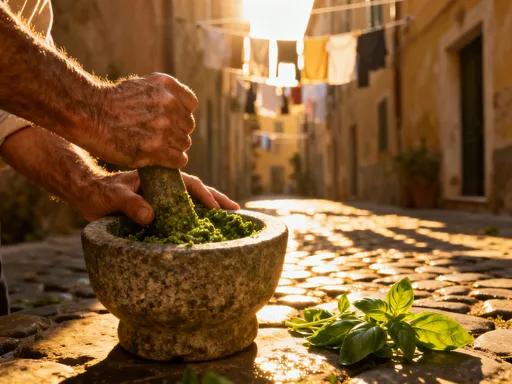
No visit to Genoa is complete without experiencing pesto alla genovese in its place of origin. While versions of pesto exist around the world, the authentic recipe—protected by the Pesto Genovese Consortium—follows strict guidelines: fresh Genovese basil, Ligurian extra virgin olive oil, pine nuts, garlic, Parmigiano-Reggiano, Pecorino Sardo, and sea salt, all crushed by hand in a marble mortar. The result is a vibrant, emerald-green sauce with a complex aroma and a silky texture that clings perfectly to pasta.
One of the most memorable moments of a food journey through Genoa is witnessing the making of pesto in a traditional setting. In a small shop tucked within the historic center, an elderly woman might be seen rhythmically grinding ingredients with a wooden pestle, her movements steady and precise. The scent fills the air—sharp garlic, resinous basil, and the nutty richness of pine nuts—creating an atmosphere that feels both intimate and sacred. Visitors are often invited to watch, smell, and even taste, making it a deeply sensory experience.
For photography enthusiasts, this scene offers endless possibilities. The contrast of the dark marble mortar against the bright green paste creates a striking visual. Capturing the hands in motion—the pressure of the pestle, the sprinkle of cheese, the drizzle of oil—adds narrative depth. Natural light, especially in the late morning, enhances the colors and textures, making the pesto appear almost luminous. To photograph it effectively, consider shooting from a slight overhead angle to show the ingredients and tools, or use a close-up to highlight the texture and gloss of the finished sauce.
Styling the shot can elevate its impact. A rustic wooden table, a linen napkin, a glass of crisp Vermentino wine, and a plate of trofie—hand-rolled pasta ideal for holding pesto—can create a cohesive and inviting composition. Avoid artificial lighting or filters that distort the true color of the pesto, as authenticity is key. The goal is not just to document the dish but to convey the care, tradition, and love that go into making it. In doing so, the photograph becomes more than a picture—it becomes a story.
Street Food & Hidden Trattorias: Where Locals Eat
While fine dining has its place, the soul of Genoese cuisine lives in its street food and neighborhood eateries. These unassuming spots, often hidden in narrow alleys or tucked behind market stalls, offer some of the most authentic and memorable flavors in the city. They are not designed for tourists; there may be no menu in English, no website, and no online reviews. Yet, they thrive on loyalty, reputation, and the simple truth that great food speaks for itself.
One of the most beloved street foods is focaccia di Recco, a thin, crispy flatbread filled with molten stracchino cheese. Unlike the fluffy, olive oil-soaked focaccia found elsewhere in Liguria, this version is delicate and blistered from the oven, designed to be eaten immediately while the cheese is still flowing. Another staple is farinata, a savory chickpea pancake cooked in a wood-fired oven until golden and slightly smoky. Served in paper cones, it’s the perfect handheld snack to enjoy while wandering the port or sitting on a sun-drenched bench overlooking the sea.
Fried seafood is another highlight, especially at family-run friggitorie near the old harbor. Anchovies, sardines, and small squid are lightly battered and fried to a perfect crisp, served with lemon wedges and a sprinkle of salt. The experience is casual and convivial—locals stand at counters, eating straight from the paper, chatting with the cook, and washing it down with a cold beer or white wine. These moments, fleeting and unscripted, are often the most vivid memories of a trip.
Finding these places requires curiosity and a willingness to explore. Ask a shopkeeper for recommendations, follow the scent of frying oil, or simply wander without a destination. When photographing these scenes, approach with respect. Ask permission before taking pictures of people, especially in small, family-run establishments. Focus on details—the texture of the fried batter, the steam rising from a fresh slice of focaccia, the hands of a vendor handing over a cone of farinata. These images, when captured thoughtfully, convey not just food but culture, warmth, and daily life.
Morning Markets: A Feast for the Lens and the Stomach
For both food lovers and photographers, few experiences compare to visiting Genoa’s morning markets at sunrise. The Mercato Orientale, located in the heart of the city, comes alive as vendors unpack crates of produce, arrange glistening fish on ice, and hang wheels of cheese from wooden beams. The air is cool, the light soft and golden, casting long shadows across the cobblestones. This is when the city feels most alive—not in polished perfection, but in vibrant, unfiltered reality.
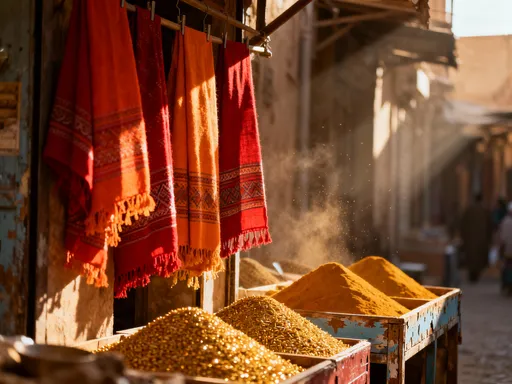
The market is a feast of color and texture. Pyramids of tomatoes, eggplants, and peppers line the stalls, their hues intensified by the morning sun. Bunches of fresh basil, still damp with dew, release their fragrance with every breeze. Seafood displays are works of art in themselves—silver anchovies, ruby-red prawns, and whole fish with eyes still bright, arranged with care. Regional specialties like prescinsêua, a fresh dairy product used in Ligurian tarts, and local salumi add to the sensory richness.
Photographically, this environment is ideal. The natural light at this hour is diffused and warm, enhancing colors without harsh contrast. Shooting from a low angle can emphasize the abundance of produce, while close-ups capture the texture of fish scales or the veins in a basil leaf. Candid shots of vendors arranging their stalls or customers haggling over prices add human interest, but always with permission and respect. Engaging in conversation—asking about a particular ingredient or complimenting a display—can lead to more natural, genuine interactions and better photographs.
For visitors, the market is not just a place to observe but to participate. Many stalls offer samples, and some even allow customers to assemble a small picnic on the spot—fresh bread, cheese, olives, and a slice of fruit. Eating here, standing among locals, becomes a moment of connection. It’s a reminder that food is not just about taste but about community, seasonality, and the simple joy of sharing something fresh and honest.
Seaside Views & Al Fresco Dining: When Food Meets Landscape
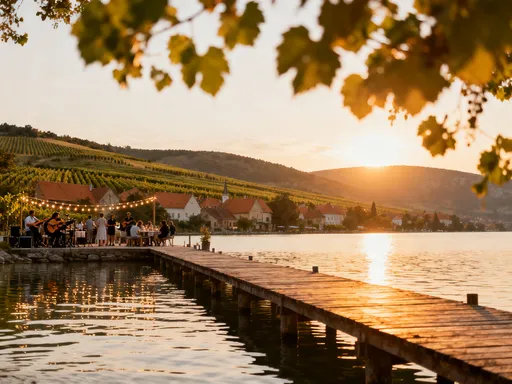
One of Genoa’s greatest gifts is the way it blends food with landscape. In neighborhoods like Boccadasse, a picturesque fishing village absorbed into the city, dining by the sea is not a luxury but a way of life. Whitewashed houses with colorful doors line a small cove, where fishing boats bob gently in the waves. Outdoor tables spill onto the promenade, set with crisp white cloths and glasses of chilled wine. This is where trofie al pesto is best enjoyed—not in a sterile restaurant, but with the sound of the sea and the scent of salt in the air.
The golden hour—just before sunset—transforms these seaside meals into something magical. The light turns honeyed, bathing the buildings and water in a soft glow. Photographs taken at this time capture not just the food but the atmosphere: the ripple of the waves, the shadow of a sail, the smile of a server placing a dish on the table. To compose such a shot, include elements of the environment—the curve of the bay, a fishing net draped over a wall, a child chasing a ball near the water. These details anchor the image in place, turning a simple meal into a memory.
Timing is key. Arriving early allows for better seating and fewer crowds, preserving the authenticity of the experience. It also provides time to explore the area—walking along the seawall, watching fishermen mend their nets, or simply sitting and absorbing the rhythm of the place. The food, while exceptional, is only part of the story. The true magic lies in the combination of flavor, light, and location—a harmony that defines Genoese dining.
Other waterfront areas, such as Nervi and Pegli, offer similar opportunities for al fresco meals with a view. Whether it’s a plate of grilled octopus, a bowl of seafood risotto, or a simple insalata di mare, the proximity to the water enhances every bite. For photographers, these settings provide a natural frame—blue sea, white foam, green hills—against which food and people stand out in vivid contrast. The challenge is to balance the grandeur of the landscape with the intimacy of the meal, creating images that feel both expansive and personal.
Capturing Culture: Tips for Telling a True Food Story
Photographing food in Genoa is about more than taking pretty pictures—it’s about telling a story. The most powerful images are those that capture not just the dish but the context: the hands that prepared it, the light that illuminated it, the place that shaped it. To do this well requires intention, respect, and a few practical techniques.
Natural light is your greatest ally. Avoid flash, which flattens texture and distorts color. Instead, seek out windows, shaded outdoor areas, or early morning and late afternoon light. Position your subject so the light falls softly across it, highlighting contours and gloss. For pesto, this means capturing the sheen on the pasta; for seafood, it’s the glint on a grilled fillet. Use a wide aperture (low f-stop) to blur the background slightly, drawing focus to the food while still suggesting the environment.
Focus on textures and details. A close-up of cracked sea salt on a focaccia crust, the swirl of a fork in trofie pasta, or the steam rising from a bowl of minestrone can convey more than a wide shot ever could. Include human elements when appropriate—hands chopping basil, a vendor weighing fish, a grandmother rolling dough—but always with permission. Avoid staged scenes; authenticity resonates more deeply with viewers.
Respect is paramount. Genoa is not a set; it is a living city. Ask before photographing people, especially in private or semi-private spaces like family kitchens or small shops. Be mindful of cultural norms—dining is a private, cherished time for many families. When in doubt, smile, gesture, and say “Posso fotografare?” (May I take a photo?). Most people are happy to oblige if approached with kindness.
Ultimately, the goal is not just to document food but to preserve moments of connection—to the place, the people, and the traditions that make Genoese cuisine so special. These images, when shared, can inspire others to travel thoughtfully, eat mindfully, and see food not as content but as culture.
More Than a Meal—A Moment in Time
Genoa is not a destination to be checked off a list. It is a place to be felt, tasted, and remembered. Every alley, every market stall, every seaside table tells a story of resilience, tradition, and beauty. Its cuisine, rooted in simplicity and seasonality, invites travelers to slow down and savor—not just the flavors, but the moments between bites. The golden light on cobblestones, the scent of basil in a mortar, the laughter at a family table—these are the elements that transform a trip into a lasting memory.
For women in their 30s to 50s, many of whom balance family, work, and personal dreams, Genoa offers a rare kind of nourishment—one that feeds both body and soul. It is a reminder that travel does not have to be extravagant to be meaningful. A single day spent wandering, tasting, and photographing with intention can be more fulfilling than weeks of rushed sightseeing. In Genoa, authenticity is not curated; it is lived.
So pack your camera, leave the itinerary behind, and let the city guide you. Let the scent of pesto lead you to a hidden trattoria. Let the morning light draw you to the market. Let the rhythm of Genoese life slow your steps and deepen your breath. This is not just a food journey—it is a return to what matters: connection, presence, and the quiet joy of a perfectly lit moment, captured not just in a photograph, but in the heart.