Lost in the Heart of the Loire Valley’s Hidden Urban Gems
You know what? I never expected the Loire Valley to be so much more than just castles and vineyards. This is insane—every town feels like a living museum, where cobblestone streets whisper history and plazas breathe life into forgotten corners. You gotta check this out: the real magic isn’t in the grand châteaux, but in the intimate city spaces between them—markets, squares, riverside promenades—where time slows down and charm takes over. While tourists rush from one majestic fortress to another, the quieter rhythm of daily French life plays out in the urban hearts of towns like Tours, Amboise, and Blois. These cities are not merely stops on a scenic route—they are destinations that reveal the soul of the region through their architecture, community spaces, and cultural continuity.
Beyond the Castles: Discovering the Soul of Loire’s Towns
The Loire Valley is globally celebrated for its opulent châteaux—monuments of power, romance, and architectural brilliance. Yet, for all their grandeur, these palaces were never meant to stand in isolation. They were part of a broader tapestry of urban and rural life, connected by trade, governance, and culture to the towns that surrounded them. Today, many visitors overlook this intricate relationship, focusing instead on ticketed attractions while passing through historic city centers without truly seeing them. The truth is, the character of the Loire Valley cannot be fully understood without exploring its towns—not as background scenery, but as living, breathing entities with layered identities shaped by centuries of evolution.
Towns like Tours, Amboise, and Blois were once administrative hubs, religious centers, and marketplaces that sustained the very nobility who built the castles. Their streets were walked by merchants, artisans, and scholars; their churches hosted royal ceremonies; their riverbanks served as vital trade routes along the Loire. Unlike the carefully preserved interiors of the châteaux, these urban areas have continued to evolve, absorbing modern life while retaining an unmistakable historic essence. It’s in the way stone facades frame contemporary cafés, how ancient alleyways lead to bustling markets, and how locals gather in squares that have hosted festivals for generations.
What makes these towns especially compelling is their human scale. While a château can feel distant—an artifact of another era—city life here remains accessible and intimate. A morning spent wandering through a local market, exchanging smiles with vendors selling goat cheese and freshly baked tarts, offers a connection that no guided tour can replicate. These experiences ground the visitor in the present moment while still echoing the past. They remind us that history isn’t only preserved in museums—it’s lived in the everyday.
By shifting focus from monumental architecture to urban fabric, travelers gain a deeper appreciation for how the Loire Valley has maintained its cultural identity. The preservation of these towns reflects a commitment to continuity—not through static restoration, but through adaptive reuse and community engagement. This balance between heritage and vitality is what gives the region its enduring appeal.
Tours: Where Old Meets Lively City Energy
If there’s one city that embodies the dynamic spirit of the Loire Valley’s urban renaissance, it’s Tours. Located at the geographic heart of the region, Tours serves as both a gateway and a destination in its own right. Its historic center, known as Vieux Tours, is a pedestrian paradise where medieval buildings house modern boutiques, bookstores, and bakeries. The city’s transformation over the past few decades has been remarkable—once-deteriorating structures have been carefully restored, and traffic restrictions have opened up public space for walking, cycling, and socializing.
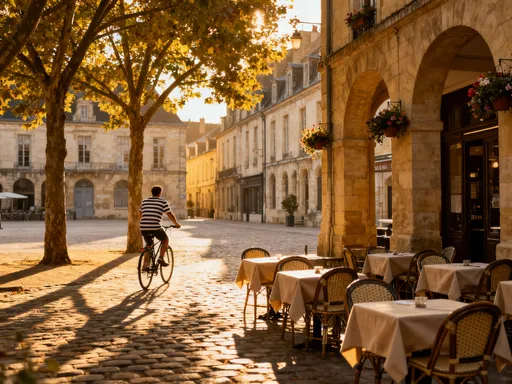
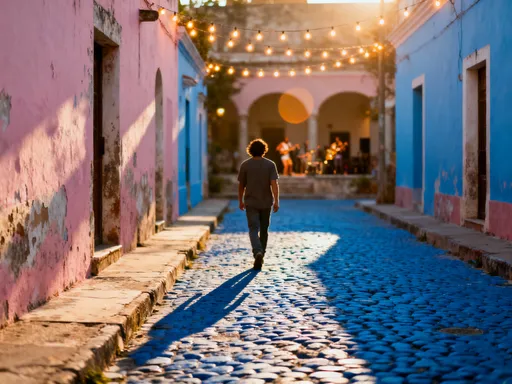
At the center of this revitalization is the Place Plumereau, a cobblestone square that pulses with energy from morning until late evening. Surrounded by half-timbered houses dating back to the 15th century, the square is lined with cafés and restaurants whose outdoor seating fills quickly during warm weather. Locals meet here after work for a glass of wine; families gather on weekends; students from the nearby university use it as a study break spot. The atmosphere is lively but never overwhelming—a testament to thoughtful urban design that prioritizes comfort and community.
Beyond its social role, Place Plumereau symbolizes how historical preservation can coexist with contemporary life. The buildings around it have been maintained with meticulous care, their colorful wooden frames and flower boxes contributing to a postcard-perfect aesthetic. Yet, there’s nothing artificial about the scene—this is not a theme park recreation, but a genuine public space where tradition and modernity blend naturally. Even the soundscape feels authentic: the clink of coffee cups, the murmur of conversation in French, the occasional street musician adding a soft melody to the background.
Tours also benefits from its position along the Loire River, which has long served as a natural artery for transport and commerce. In recent years, the city has invested in enhancing its riverfront with walking and cycling paths, green spaces, and seasonal events. The banks of the Cher River, a tributary that flows through the city, have been transformed into scenic promenades where residents jog, picnic, or simply enjoy the view. These improvements have made Tours not just a convenient base for exploring the valley, but a rewarding destination for those who appreciate urban charm and thoughtful city planning.
Amboise: A Royal Town with Intimate Streets
Just a short train ride from Tours lies Amboise, a town that balances royal grandeur with quiet residential charm. Dominated by the imposing Château d’Amboise, which rises above the Loire on a limestone bluff, the town could easily be reduced to a single postcard image. But those who linger discover a much richer story—one told in narrow lanes, hidden courtyards, and family-run shops. Amboise is small enough to explore on foot in a single day, yet layered enough to invite return visits.
The contrast between the château and the surrounding town is striking. While the fortress speaks of power and political intrigue—once home to French kings and the final resting place of Leonardo da Vinci—its surroundings exude a sense of calm domesticity. The Clos Lucé neighborhood, where da Vinci spent his final years, feels like a village within a town. Tree-lined paths lead to his former residence, now a museum dedicated to his inventions and legacy. Nearby, children play in shaded gardens, and cyclists glide along quiet streets with views of the river.
What makes Amboise special is its human scale. Unlike larger cities where historic districts can feel crowded or commercialized, Amboise maintains a personal touch. Shopkeepers greet regular customers by name; boulangeries display daily specials handwritten on chalkboards; public benches are strategically placed for rest and reflection. The town’s urban design encourages walking and discovery—there are no long stretches of asphalt or impersonal plazas. Instead, every turn reveals a new perspective: a flower-filled balcony, a weathered stone doorway, a glimpse of the river through an alleyway.
Public spaces in Amboise serve both aesthetic and practical purposes. The esplanade in front of the château offers panoramic views of the Loire and is a favorite spot for evening strolls. Smaller squares, like Place Michel Debré, provide shaded seating beneath plane trees, creating pockets of tranquility amidst the historic surroundings. These areas are not just for tourists—they are used daily by locals, reinforcing the idea that well-designed urban spaces should serve the community first, visitors second.
Blois: Layers of History in One Hillside City
Blois offers a different kind of urban experience—one defined by elevation, diversity, and architectural richness. Built on a series of terraces rising from the Loire River, the city unfolds in layers, each representing a distinct chapter in French history. At the lowest level, the old town retains its medieval layout, with narrow streets and modest stone houses. Ascending the hill, the architecture shifts to Renaissance styles, culminating in the magnificent Château de Blois, which incorporates Gothic, Flamboyant, and classical elements within a single complex.
This vertical arrangement is not just visually dramatic—it reflects centuries of urban development shaped by geography and power. The château, once a royal residence, was expanded by successive kings, each adding their own wing in the prevailing style of the time. As a result, the building itself is a timeline of architectural evolution. The surrounding city grew in response, with neighborhoods developing around administrative, religious, and commercial needs. Today, walking through Blois feels like moving through time: one moment you’re in a 15th-century alley, the next you’re standing before a 17th-century church, then stepping into a modern café with views stretching across the valley.
What sets Blois apart is how seamlessly it integrates these layers into daily life. Unlike some historic cities where the past is cordoned off behind ropes and admission gates, Blois allows history to be lived in. Residents live in centuries-old buildings that have been updated with modern amenities; schools and shops occupy former convents and townhouses; public staircases connect different levels of the city, turning commutes into scenic journeys. The integration of old and new is so natural that it’s easy to forget you’re walking through what amounts to an open-air museum.
Pedestrian zones play a crucial role in enhancing the visitor experience. Much of the historic center is closed to cars, allowing people to explore at a relaxed pace. Signage is discreet but informative, offering historical context without overwhelming the senses. Panoramic viewpoints, such as the terrace near the château, provide moments of pause and reflection, inviting visitors to take in the sweeping landscape of the Loire Valley. These design choices reflect a deep understanding of how urban spaces can educate, inspire, and connect people to place.
The Role of Public Spaces: Markets, Squares, and Riverbanks
While architecture and history define the visual character of the Loire Valley’s towns, it is their public spaces that give them soul. Markets, squares, and riverbanks are not merely decorative—they are functional, social, and cultural hubs that sustain community life and enrich the visitor experience. These spaces are where the rhythm of daily life becomes visible, where tradition is practiced rather than just displayed.
Morning markets are particularly significant. In towns like Tours and Blois, weekly markets transform central squares into vibrant scenes of color, scent, and sound. Stalls overflow with regional specialties: rillettes, saucisson, fresh asparagus from the Anjou region, honey from local hives, and of course, an array of Loire wines. These markets are not staged for tourists—they are essential parts of local commerce, where residents do their weekly shopping and catch up with neighbors. For visitors, they offer an authentic sensory immersion, a chance to taste, touch, and interact with the region’s culinary heritage.
Squares serve a different but equally important function. They are places of pause and gathering—where people sit on benches with a book, where children chase pigeons, where couples share a coffee under a sun umbrella. In Amboise, the Place du Château is more than just a viewing platform; it’s a communal living room with benches arranged to face the river. In Tours, the Place Salvador Allende hosts seasonal events, from outdoor cinema to craft fairs, reinforcing the idea that public space should be dynamic and inclusive.
The Loire River itself acts as a unifying green corridor, linking towns and shaping their development. Riverbanks have been transformed into recreational zones with walking and cycling paths, picnic areas, and natural observation points. These spaces encourage low-impact enjoyment of the landscape, allowing people to experience the river not just as a scenic backdrop, but as a living ecosystem. Herons stalk the shallows, swans glide past reed beds, and in summer, families cool off in designated swimming areas. The river’s presence reminds us that urban life in the Loire Valley has always been intertwined with nature.
Getting Around: Walking, Cycling, and Local Transit
One of the greatest advantages of exploring the Loire Valley’s urban centers is how accessible they are. Unlike major cities that require complex transit systems, these towns are designed for slow, human-powered exploration. Walking is the most rewarding way to experience their charm—there’s no better way to notice architectural details, discover hidden courtyards, or stumble upon a quiet café tucked away from the main streets.
Cycling is equally encouraged, supported by the extensive Loire à Vélo network—one of France’s most successful green tourism initiatives. This well-marked route spans over 800 kilometers, connecting key towns and attractions along the river. In urban areas, dedicated bike lanes, secure parking, and rental stations make it easy for visitors to adopt two-wheeled travel. Many tourists choose to cycle between towns, spending a few days in each place before moving on. This style of travel allows for deeper immersion, reducing the rush often associated with sightseeing.
Local public transit complements these options. Regional trains connect Tours, Amboise, Blois, and other towns with frequent service and scenic views. Bus networks within cities are reliable and affordable, with clear signage and route maps available in multiple languages. For those with limited mobility, some towns offer electric shuttle services during peak tourist seasons. These transportation choices reflect a broader commitment to sustainable tourism—one that minimizes environmental impact while maximizing accessibility.
Practical tips for travelers include renting bikes from central locations early in the day, using water-resistant maps or GPS apps designed for cyclists, and planning routes that include rest stops at markets or riverside parks. Packing light is advisable, especially when navigating cobblestone streets or climbing hills in Blois. Most importantly, allowing flexibility in the itinerary ensures that spontaneous discoveries—like a street festival or a hidden garden—can be fully enjoyed.
Why These Urban Spaces Matter: The Bigger Picture
The enduring appeal of the Loire Valley lies not just in its castles, but in the way its towns have preserved their identity while adapting to modern life. These urban spaces matter because they represent a model of cultural continuity—where history is not frozen, but lived. They demonstrate that preservation does not require museum-like sterility; instead, it can thrive through daily use, community engagement, and thoughtful planning.
In an era when many historic cities struggle with overtourism, commercialization, or urban decay, the towns of the Loire Valley offer a balanced alternative. They are beautiful without being theatrical, historic without being performative. There are no souvenir shops selling mass-produced trinkets on every corner, no loudspeaker tours disrupting quiet streets. Instead, there is a sense of authenticity—a feeling that you are witnessing real life, not a curated performance.
This authenticity is what makes these towns so valuable, both for residents and visitors. They remind us that travel is not just about checking off landmarks, but about experiencing place. It’s in the way sunlight filters through plane trees in a quiet square, how a vendor smiles as she hands you a warm baguette, how the river glimmers at dusk as locals walk their dogs along the path. These moments, small and unscripted, are what stay with us long after the trip ends.
Ultimately, the urban gems of the Loire Valley invite a different kind of travel—one that is slower, more mindful, and deeply human. They encourage us to wander without an agenda, to sit and observe, to let the streets tell their stories. In doing so, they offer not just a glimpse of France’s past, but a vision of how cities can be lived in, loved, and preserved for generations to come.