Jungle Markets & Hidden Gems: My Wild Amazon Shopping Adventure
You know what? Shopping in the Brazilian Amazon is nothing like hitting the malls back home. Think vibrant riverbank markets, handwoven crafts, and spices you’ve never even heard of. I stumbled upon this world while exploring Manaus and nearby villages—and let me tell you, it’s mind-blowing. This isn’t just buying souvenirs; it’s connecting with culture, history, and real people. From floating markets that rise and fall with the river’s breath to artisans carving stories into wood and seeds, every purchase feels intentional. Welcome to a shopping experience like no other—one that enriches not just your suitcase, but your soul.
The Unexpected Heart of Amazonian Commerce
The Brazilian Amazon is often imagined as a vast, untouched wilderness, far removed from commerce and daily trade. Yet beneath this perception lies a thriving network of local economies powered not by shopping malls or digital platforms, but by rivers, traditions, and generations-old craftsmanship. Here, commerce moves with the current—literally. Along the winding tributaries of the Amazon Basin, trade happens on canoes, at open-air stalls shaded by palm leaves, and in bustling village squares where the rhythm of life pulses with the ebb and flow of water. These are not curated for tourists; they are vital lifelines for Indigenous communities, ribeirinhos (riverine people), and small-scale entrepreneurs who rely on these exchanges to sustain their families and preserve their way of life.
What sets Amazonian markets apart is their deep integration with the natural world. Every item available—from hand-carved wooden bowls to medicinal plants harvested with ancestral knowledge—reflects a relationship between people and the rainforest that has endured for centuries. Unlike urban shopping, where products are often anonymous and mass-produced, here each object carries a story. A woven basket may have taken days to complete using fibers gathered from native palms. A bundle of dried herbs might be used in traditional healing practices passed down through generations. This isn’t transactional shopping; it’s cultural immersion. When you buy something in these markets, you’re not just acquiring a physical object—you’re participating in a living tradition.
These markets also serve as social hubs where news is exchanged, friendships are strengthened, and community identity is reinforced. Vendors greet each other by name, children run between stalls, and elders sit under awnings sharing stories in indigenous languages or regional Portuguese. The absence of digital payment systems and global brands doesn’t make these markets less sophisticated—it makes them more human. In an age where much of our shopping is impersonal and automated, the Amazon offers a powerful reminder: commerce can be warm, personal, and deeply meaningful.
Manaus: Gateway to Authentic Amazon Shopping
For travelers seeking an authentic entry point into Amazonian commerce, Manaus stands as the ideal gateway. As the largest city in the Brazilian Amazon, it bridges modern infrastructure with deep cultural roots. While it has shopping centers and supermarkets, the true heart of local trade beats within Mercado Adolpho Lisboa—a historic market established in the late 19th century during the rubber boom. Housed in a striking iron structure reminiscent of European markets of the same era, this vibrant marketplace offers a sensory overload in the best possible way: the scent of fresh fish, the deep purple of açaí pulp, the earthy aroma of jungle spices, and the colorful display of fruits found nowhere else on Earth.
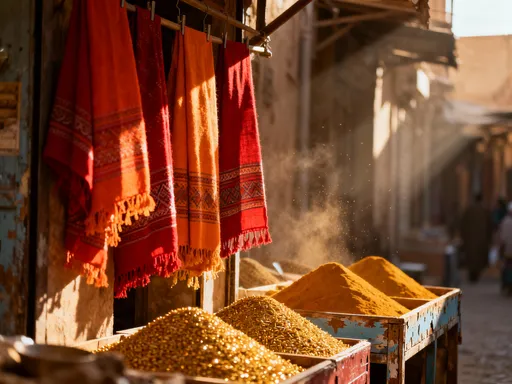
Walking through Mercado Adolpho Lisboa feels like stepping into the soul of the Amazon. Stalls overflow with regional specialties such as tucupi (a yellow broth made from wild manioc), jambu (a numbing herb used in local dishes), and pupunha (a type of palm heart). Vendors proudly offer natural soaps infused with andiroba and copaiba oils—known for their soothing properties—and baskets woven from paxiúba leaves. You’ll also find artisans selling jewelry made from tagua nuts, which resemble ivory and are sustainably harvested. Unlike souvenir shops in tourist zones, this market serves the local population first. Housewives haggle over prices, chefs source ingredients for regional restaurants, and elders teach grandchildren how to select the ripest cupuaçu.
What makes this experience so powerful is its authenticity. There’s no performance for visitors—just real life unfolding in vivid detail. The market operates daily, but the best time to visit is early in the morning when boats arrive from surrounding islands and river communities, unloading fresh produce directly onto the docks. By midday, many stalls begin to close, their goods sold or packed away. For the discerning traveler, especially women between 30 and 55 who value meaningful experiences over material accumulation, Mercado Adolpho Lisboa offers something rare: a chance to witness and participate in a culture that values sustainability, community, and tradition.
River Markets: Shopping on the Move
One of the most extraordinary shopping experiences in the Amazon unfolds not on solid ground, but on the water itself. Along the Negro and Solimões rivers—where the dark waters of the Negro meet the sandy flow of the Solimões to form the Amazon River—floating markets emerge at dawn like scenes from another world. These mobile bazaars consist of small wooden canoes laden with goods, paddled by local vendors who travel from distant river communities to sell their harvests. As sunlight breaks over the treetops, families gather at riverbanks, boats tie up side by side, and trade begins in a rhythm as old as the forest.
Here, you can purchase smoked pirarucu, one of the largest freshwater fish in the world, cured over slow-burning palm wood fires. Its rich, smoky flavor is a staple in Amazonian cuisine. You might also find bundles of freshly picked açaí, ripe bananas grown in backyard gardens, or handmade items like carved animal figures, woven hats, and painted gourds. Transactions are simple and personal—cash exchanged hand to hand, often accompanied by a smile, a brief conversation, or even a shared piece of fruit. There are no price tags, no receipts, and certainly no online reviews. This is commerce at its most human.
What makes river markets so special is their role in connecting isolated communities. For families living deep in the floodplain forests, access to larger towns is limited and costly. The floating market provides a vital economic link, allowing them to trade surplus goods for essentials like medicine, school supplies, and clothing. For visitors, it offers rare access to authentic, locally made products that reflect the ingenuity and resilience of riverine life. Women travelers often find these interactions particularly touching—seeing mothers balancing babies on one hip while selling hand-embroidered napkins or herbal teas made from forest plants they foraged themselves.
Because these markets operate on natural schedules, visiting requires flexibility and respect. They are not performances staged for tourists; they are real events rooted in necessity. The best way to experience them is through a guided boat tour with a reputable local operator who understands the rhythms of river life and ensures ethical engagement. This way, your presence supports the community without disrupting their daily routines.
Indigenous Craft Villages: Culture in Every Detail
Beyond the rivers and city markets lie Indigenous craft villages where artistry and heritage converge. In communities along the Rio Negro and its tributaries, families continue to practice traditional crafts using techniques refined over centuries. These are not tourist-oriented workshops churning out replicas; they are living expressions of cultural identity. From intricate beadwork depicting mythological beings to ceremonial masks carved from lightweight cedar, every piece is infused with meaning and history.
Many of these communities have established cooperatives to manage tourism and sales sustainably. Through partnerships with ethical tour operators, they welcome visitors who come with genuine interest and respect. When you enter a village, you’re often greeted with music, dance, or a brief explanation of local customs. Then, you’re invited to view and purchase crafts directly from the artisans—mothers, grandfathers, teenagers—who created them. Buying a necklace made from painted seeds or a handwoven hammock isn’t just a shopping act; it’s an act of cultural preservation. The income supports education, healthcare, and the continuation of traditional ways in the face of modern pressures.
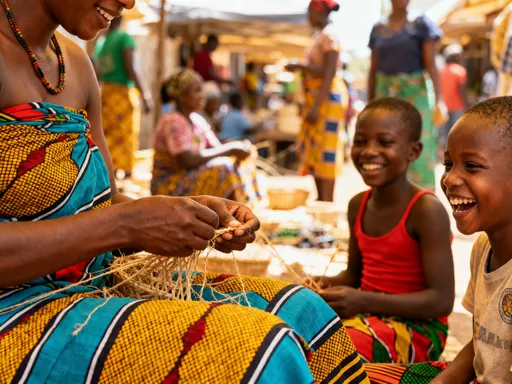
One of the most moving experiences is watching a grandmother teach her granddaughter how to weave using buriti fiber. The process is slow and deliberate, each loop tied with intention. These textiles are not made for speed or profit—they are made to last, to honor ancestors, and to carry forward knowledge. When you purchase such an item, you become part of that legacy. You help ensure that these skills don’t disappear, that the stories woven into each pattern continue to be told.
Travelers, especially those who value authenticity and purpose, find these visits deeply rewarding. It’s not about collecting trinkets; it’s about forming connections. You leave not only with beautiful handmade goods but with a deeper understanding of a worldview rooted in harmony with nature, community interdependence, and spiritual reverence for the forest.
What to Buy (And What to Skip)
With so many unique items available, it’s important to shop thoughtfully. The goal is not to fill your suitcase, but to bring home pieces that matter—both to you and to the people who made them. Focus on natural, locally sourced materials: tagua nut carvings, ceramics made from Amazonian clay, textiles woven from plant fibers, and natural cosmetics like shea-free moisturizers made from cupuaçu or murumuru butter. These products are sustainable, biodegradable, and reflect the ingenuity of Amazonian craftsmanship.
Equally important is knowing what to avoid. Be cautious of items made from animal parts, even if they’re offered as souvenirs. While some traditional uses exist within Indigenous contexts, the sale of wildlife products—especially from protected species—is illegal and harmful to conservation efforts. This includes feathers from rare birds, teeth, bones, or leather from wild animals. Even if a vendor claims the item is “old” or “legal,” it’s best to decline. Your refusal sends a message that ethical tourism matters.
Another red flag is mass-produced goods that clearly weren’t made in the region. Plastic trinkets, imported jewelry, or machine-printed T-shirts with Amazon motifs may be cheap, but they don’t support local artisans. Instead, ask questions: “Who made this?” “Where does this material come from?” Locals appreciate curiosity, and your interest often leads to richer conversations. When in doubt, choose simplicity. A hand-carved spoon, a small woven bag, or a jar of raw honey from a river community carries more meaning than any flashy souvenir.
Remember, shopping in the Amazon is not a race to collect the most items. It’s about intentionality. Each purchase should feel respectful, informed, and connected to the place and people. When you return home, these objects won’t just decorate your shelves—they’ll remind you of real encounters, warm smiles, and the quiet dignity of those who live in harmony with one of Earth’s most vital ecosystems.
Practical Tips for a Smooth Experience
To make the most of your Amazon shopping journey, preparation is key. First and foremost, bring cash—preferably Brazilian reais in small denominations. ATMs are scarce outside Manaus, and digital payments are rarely accepted in rural markets. Keep your money in a waterproof pouch to protect it from humidity and unexpected rain. Avoid wearing expensive jewelry or carrying flashy bags; the focus should be on connection, not display.
Learn a few basic Portuguese phrases. While many guides and vendors in tourist areas speak some English, using simple words like “Quanto custa?” (How much?), “Obrigada” (Thank you), or “Pode me mostrar?” (Can you show me?) shows respect and often leads to warmer interactions. A smile and a willingness to communicate go a long way in building trust.
When visiting remote markets or Indigenous villages, always go with a licensed local guide. They ensure your safety, help navigate language barriers, and facilitate respectful cultural exchanges. A good guide will also know which communities welcome visitors and which prefer privacy. Never enter a village uninvited or take photos without permission—these are people’s homes, not exhibits.
Timing matters. Most markets operate early in the day, starting at sunrise and winding down by noon. The morning light is soft, the air is cooler, and the energy is at its peak. By afternoon, heat and humidity make travel uncomfortable, and many vendors have packed up. Plan your visits accordingly, and allow time to sit, observe, and absorb the atmosphere—not just rush through transactions.
Lastly, pack smart. Bring a reusable cloth bag for your purchases, and consider items that protect you from the environment: a wide-brimmed hat, lightweight long-sleeve clothing, insect repellent, and water. Respect the climate, the people, and the pace of life. When you slow down, you see more, connect more, and remember more.
Why This Shopping Changes How You Travel
Shopping in the Amazon does more than fill your travel bag—it transforms your perspective. It shifts the focus from passive sightseeing to active participation. Instead of merely observing a culture from the outside, you engage with it directly, learning its rhythms, values, and artistry. Every purchase becomes a bridge: between you and a craftswoman, between your home and a distant river village, between modern life and ancient wisdom.
For women in their 30s to 50s—many of whom seek travel that nourishes the spirit as much as the eye—this kind of experience is profoundly meaningful. It’s not about luxury or convenience; it’s about authenticity, connection, and contribution. When you buy a handwoven basket, you’re not just acquiring decor—you’re supporting a mother who used her lunch breaks to weave it. When you take home a jar of natural balm made from forest oils, you’re carrying a piece of traditional knowledge that might otherwise fade.
This form of travel also fosters mindfulness. In a world of fast fashion and disposable goods, the Amazon reminds us that things can be made with care, purpose, and beauty. Each item has a name, a maker, a story. There’s no barcode, no factory label—just human hands and natural materials. This awareness often stays with travelers long after they return home, influencing how they shop, how they value craftsmanship, and how they see their role in the global community.
Ultimately, shopping in the Amazon isn’t about what you bring back—it’s about what you take in. It’s about the conversations you had, the laughter you shared, the respect you gave and received. It’s about realizing that travel can be gentle, reciprocal, and deeply enriching. So the next time you plan a trip, think beyond landmarks and photo ops. Seek out markets where life unfolds in real time. Look for crafts born from tradition. Listen to the stories behind the objects. Because in the Amazon, every purchase is a promise—to remember, to honor, and to keep the forest’s spirit alive in your everyday world.