You Won’t Believe What I Found in Lusaka – A Hidden Cultural Journey
Lusaka isn’t just Zambia’s capital—it’s a living canvas of culture waiting to be explored. I went looking for the real heartbeat of the city, far from tourist brochures, and found vibrant markets, ancestral rhythms, and warm communities sharing traditions with pride. This isn’t about landmarks on every map; it’s about human connection, rhythm, flavor, and soul. If you’re craving authentic cultural experiences, Lusaka might just surprise you. Beyond the paved avenues and government buildings lies a city pulsing with creativity, resilience, and generosity. Here, culture isn’t preserved behind glass—it’s lived, sung, cooked, and danced every single day. This journey reveals not only what makes Lusaka unique but also how mindful travelers can engage meaningfully with a community proud of its heritage.
Beyond the Surface: Rediscovering Lusaka’s Cultural Identity
Lusaka is often described in functional terms—as the administrative center of Zambia, a hub for regional diplomacy, or a growing urban economy in southern Africa. While these labels are accurate, they barely scratch the surface of what the city truly offers. For many visitors, especially those pressed for time or guided by conventional itineraries, Lusaka may appear unassuming, even rushed. Yet beneath this outward pace lies a deep cultural fabric woven from generations of tradition, migration, and creative expression. The city’s identity is not static; it evolves through daily interactions, community gatherings, and the quiet persistence of customs passed from elders to youth.
What sets Lusaka apart is its authenticity. Unlike destinations that perform culture for tourists, Lusaka does not put on a show. Its traditions are not rehearsed for foreign eyes but are embedded in everyday life. A grandmother grinding maize in the early morning, a group of children singing folk songs on their way home from school, or neighbors gathering under a tree to discuss village matters—these are not staged moments. They are the heartbeat of a living culture. Travelers who take the time to slow down, listen, and observe begin to see the richness beneath the surface. This kind of insight cannot be gained from guidebooks alone; it requires presence, respect, and openness.
Community-driven experiences offer a more truthful window into Zambian life than any curated museum exhibit. When visitors engage directly with local families, artisans, or musicians, they participate in an exchange that benefits both sides. Locals gain recognition and economic support, while travelers gain understanding. These connections foster mutual appreciation and break down stereotypes. For the thoughtful traveler, especially women between 30 and 55 who value meaningful experiences over luxury checklists, Lusaka presents a rare opportunity: to witness culture as it is truly lived, not packaged. This is not tourism as spectacle—it is travel as connection.
The Pulse of Tradition: Local Markets as Cultural Hubs
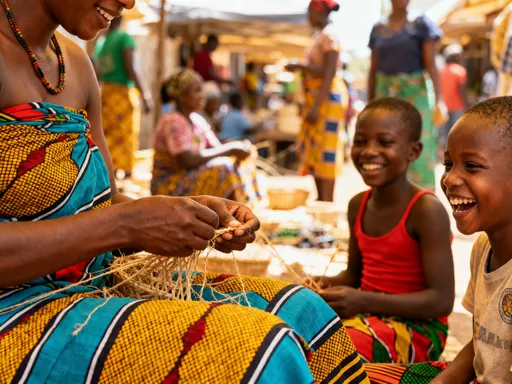
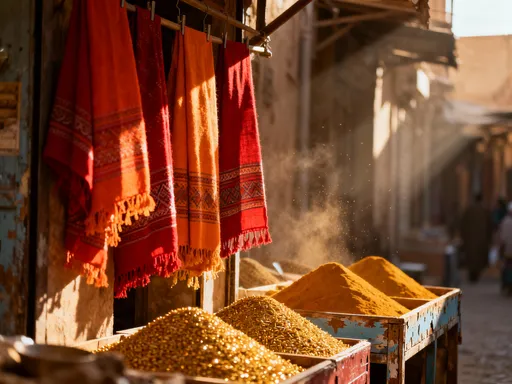
No place in Lusaka captures the spirit of daily life quite like its neighborhood markets. These are not polished shopping centers but bustling, sensory-rich spaces where culture, commerce, and community converge. Among them, Soweto Market stands out as a vibrant epicenter of local life. Here, the air hums with conversation, the scent of grilled meat and fresh produce fills the breeze, and colorful textiles flap like flags in the sun. Stalls overflow with everything from hand-carved wooden bowls to bundles of dried fish, ripe mangoes, and bundles of medicinal herbs. This is where Zambian life unfolds in real time, and where travelers can witness tradition in motion.
One of the most striking features of these markets is the prominence of *chitenge*—the brightly patterned cotton fabric worn by women across Zambia. More than just clothing, *chitenge* is a language of identity, status, and even emotion. Designs often carry symbolic meanings, and the way a woman wears her *chitenge*—wrapped as a skirt, draped over one shoulder, or used to carry a baby—can convey messages about her role in the family or community. Vendors proudly explain the origins of certain patterns, some of which trace back to regional histories or ancestral stories. In this way, the market becomes a living archive of cultural memory, where every purchase supports both craftsmanship and storytelling.
Shopping here is not a transactional exchange but a social event. Vendors greet regular customers by name, share news about their families, and sometimes invite visitors to sit and chat over a cup of sweet tea. These interactions are rich with oral tradition—jokes, proverbs, and family anecdotes passed down through generations. For travelers, especially those seeking deeper human connections, these moments are priceless. They offer a glimpse into the warmth and resilience of Zambian women, who often run these small businesses while balancing household responsibilities. By choosing to buy directly from local artisans, visitors not only take home authentic souvenirs but also contribute to sustainable livelihoods.
Rhythm and Ritual: Experiencing Zambian Music and Dance
Music is the soul of Zambia, and nowhere is this more evident than in Lusaka’s community gatherings. Traditional genres like *Kalela* and *Chintobentobe* are not museum relics but living forms of expression that continue to evolve. *Kalela*, which emerged in the mining towns of the Copperbelt, blends rhythmic drumming with call-and-response vocals that speak to themes of labor, migration, and hope. *Chintobentobe*, rooted in rural traditions, features intricate percussion patterns and dance movements that mimic daily activities—from farming to child care. These forms are not performed for tourists but are part of celebrations, rites of passage, and community healing.
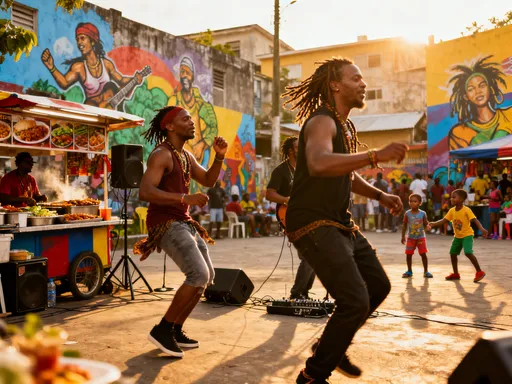
Visitors fortunate enough to attend a local performance—whether in a neighborhood cultural center, a school event, or a family celebration—will find themselves immersed in a world where music is not just heard but felt. Drums are played with bare hands, their deep resonance vibrating through the chest. Dancers move with precision and joy, their feet kicking up dust in open courtyards. Children watch intently, already mimicking steps, ensuring that these traditions survive. The experience is electric, not because it is loud, but because it is genuine. There is no stage separating performer from audience; everyone is invited to clap, sing, or even join the dance.
What makes Zambian music so powerful is its function. It is not merely entertainment but a tool for storytelling, education, and social cohesion. Songs preserve historical events, teach moral lessons, and provide commentary on current issues. During times of hardship, music has served as a form of quiet resistance and communal strength. For the traveler, engaging with this art form is a lesson in resilience and unity. It reminds us that culture is not something to be observed from a distance but something to be felt, shared, and honored. By listening deeply and participating respectfully, visitors become part of a living tradition.
Taste of Heritage: Food as Cultural Expression
To understand a culture, one must taste it. In Lusaka, food is more than sustenance—it is a celebration of history, land, and family. The cornerstone of Zambian cuisine is *nshima*, a thick porridge made from maize meal. Served at nearly every meal, *nshima* is more than a staple; it is a symbol of unity. Eaten with the right hand, it is used to scoop up flavorful relishes like *ifisashi*—a rich stew of peanuts, leafy greens, and sometimes fish or meat. Regional variations exist, but the essence remains the same: simple ingredients transformed into nourishing, communal meals.
For travelers seeking authenticity, visiting family-run eateries or arranging a home cooking experience offers a rare intimacy. These are not commercial restaurants but small, often open-air kitchens where women prepare meals with pride and care. One might sit on a low stool under a shaded awning, watching as a host kneads the *nshima* dough with practiced hands, explaining how the texture must be just right—firm enough to hold, soft enough to enjoy. The conversation flows easily, touching on everything from farming seasons to family recipes passed down through generations.
Meals in Lusaka are deeply social. It is common to eat from a shared dish, reinforcing bonds between family and guests. This practice reflects broader cultural values: interdependence, generosity, and respect for elders. Even in urban settings, the rhythm of life still revolves around mealtime as a moment of pause and connection. For women travelers, especially those who value home and family, these experiences resonate deeply. They offer a reminder that food is not just fuel but a language of love and belonging. By participating in these moments—with gratitude and humility—visitors honor the culture they are privileged to witness.
Art That Speaks: Galleries and Street Creativity in Lusaka
Lusaka’s artistic energy extends far beyond its markets and music. A growing network of galleries, cooperatives, and street art projects is redefining how Zambian stories are told. Unlike commercial art scenes that cater to international tastes, many of these spaces prioritize local narratives, social commentary, and cultural preservation. Artists use paint, sculpture, textiles, and mixed media to explore themes of identity, history, and everyday life. Their work is bold, thoughtful, and deeply rooted in Zambian reality.
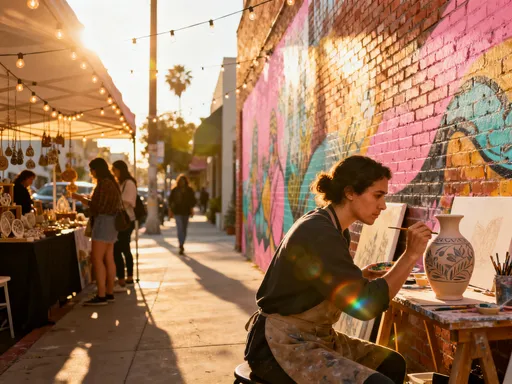
Visitors can explore non-commercial venues such as art co-ops in neighborhoods like Roma or Arcades, where young creatives gather to paint, discuss ideas, and mentor one another. These spaces are often modest—converted garages or shared studios—but they pulse with innovation. Some collectives focus on upcycling materials, turning discarded objects into powerful statements about sustainability and resilience. Others collaborate on murals that transform blank walls into vibrant storytelling canvases, depicting scenes from folklore, national heroes, or community life.
What makes Lusaka’s art scene so compelling is its accessibility. Artists are often present, eager to discuss their work and its meaning. There is no pretense, no barrier between creator and observer. This openness allows travelers to engage in real dialogue, asking questions and learning directly from the source. For women who appreciate creativity and self-expression, these encounters are deeply inspiring. They reveal how art can be both personal and communal, a way to honor the past while imagining the future. Supporting these artists—by purchasing a piece or simply sharing their story—contributes to a cultural ecosystem that values authenticity over profit.
Living Traditions: Festivals and Community Events
Cultural continuity in Lusaka is perhaps most visible during festivals and public celebrations. Events like Independence Day on October 24th bring the city to life with parades, music, dance, and national pride. Schools perform choreographed routines, civic leaders give speeches, and families gather in parks to share food and laughter. While some elements are formal, the spirit is joyous and inclusive. These occasions are not just about patriotism but about reaffirming shared identity and collective memory.
Beyond national holidays, local harvest festivals and community ceremonies offer even more intimate glimpses into tradition. In surrounding villages and peri-urban areas, families mark the end of planting or harvesting seasons with rituals that honor the land and ancestors. These events may include libations, traditional music, and communal feasts. While some aspects are sacred and not open to outsiders, many communities welcome respectful visitors who come with humility and a willingness to learn.
Participating in these gatherings requires sensitivity. Observing quietly, dressing modestly, and following local guidance are essential. When done right, the experience is transformative. It allows travelers to witness how culture is not a performance but a lived practice, renewed with each generation. For women who value tradition and family, these moments carry deep emotional weight. They reflect universal themes of gratitude, continuity, and belonging. By honoring these customs, visitors show respect not just for Zambia but for the timeless human need to celebrate life together.
Traveling with Purpose: How to Engage Respectfully and Meaningfully
As interest in cultural tourism grows, so does the responsibility to travel ethically. In Lusaka, the most meaningful experiences come not from ticking off attractions but from building relationships. This begins with asking permission—whether to take a photograph, attend a ceremony, or enter a home. A simple gesture of respect can open doors that no tour package can provide. It signals that the visitor sees locals not as subjects but as partners in exchange.
Supporting the local economy is another vital practice. Choosing family-run guesthouses, eating at neighborhood eateries, and buying directly from artisans ensures that tourism benefits the community. It is also wise to work with guides who are deeply connected to the culture, not just fluent in English. The best guides are often educators, artists, or community leaders who share knowledge out of pride, not profit. They can lead travelers to hidden gems—like a women’s weaving cooperative or a youth drumming circle—where genuine connection is possible.
Mindful travel has long-term impact. When visitors engage with curiosity and humility, they help preserve cultural integrity. They counter the risk of commodification, where traditions are diluted for tourist consumption. Instead, they support a model of tourism that honors authenticity. For women travelers, this approach aligns with values of care, respect, and intergenerational wisdom. It transforms a trip into a meaningful exchange—one that enriches both the visitor and the host.
Conclusion
Lusaka’s true magic lies not in grand monuments but in its people, rhythms, and everyday expressions of identity. By stepping off the beaten path and engaging with culture on its own terms, travelers gain not just memories—but understanding. This is what responsible, immersive travel looks like: humble, human, and deeply enriching. From the vibrant stalls of Soweto Market to the resonant beats of a community drum circle, from the shared warmth of a family meal to the bold strokes of a street mural, Lusaka invites visitors to see, listen, and feel. It challenges us to move beyond surface-level tourism and embrace connection. For those willing to slow down and open their hearts, the capital of Zambia offers something rare: a genuine encounter with the soul of a nation.