Hidden in Plain Sight: Washington’s Secret Skyline Spots You’ve Never Heard Of
Ever thought you’ve seen all of Washington has to offer? Think again. Beyond the famous monuments and crowded malls, quiet rooftops, tucked-away parks, and local-favorite lookouts offer breathtaking views most tourists miss. I stumbled upon these spots by chance—and each felt like a private moment with the city. If you're craving authentic, peaceful, and truly unique perspectives, it’s time to explore the unseen side of the capital. These hidden vantage points don’t appear on most maps, but they reveal a quieter, more intimate Washington—one where the skyline unfolds not through crowds, but through stillness and surprise.
The Allure of Off-the-Grid Viewpoints
Travelers often equate great views with famous landmarks: the top of the Washington Monument, the steps of the Lincoln Memorial, or the observation deck at the U.S. Capitol Visitor Center. While these offer undeniable grandeur, they come with predictable angles, long lines, and a sense of repetition. What’s often missing is the thrill of discovery—the personal connection that comes from finding a place untouched by guidebooks. Hidden viewpoints provide exactly that. They transform a city from a checklist of sights into a living, breathing landscape waiting to be explored on your own terms.
These lesser-known spots appeal because they offer solitude in an otherwise bustling environment. In a world where every tourist destination seems Instagrammed to exhaustion, finding a quiet bench with an unobstructed skyline view feels like a small victory. More than just visual rewards, these places invite reflection. They allow visitors to pause, breathe, and experience the city not as a series of postcards, but as a layered, evolving entity. The contrast between crowded attractions and these quiet refuges underscores a deeper truth: sometimes the most memorable experiences are the ones no one told you to have.
Moreover, hidden viewpoints often provide more dynamic compositions of the city. While standard lookouts frame the skyline head-on, off-the-grid spots capture it from unexpected angles—through tree branches, across shimmering water, or silhouetted against a twilight sky. These perspectives feel more organic, more integrated into the rhythm of daily life. They reflect not just how the city looks, but how it feels to live within it. For travelers seeking authenticity, these unscripted moments are invaluable.
Rooftop Retreats Only Locals Know
Washington’s skyline is best appreciated from above, and while the National Arboretum or the Old Post Office Tower offer formal observation decks, some of the most striking rooftop views come from places with no signage, no admission fee, and no crowds. Certain downtown buildings—particularly older commercial structures and boutique hotels—have public-access elevators that lead to upper floors with unadvertised terraces or lobbies featuring floor-to-ceiling windows. These spaces are often overlooked by tourists but cherished by locals who seek a quiet moment with the city after work or at sunset.
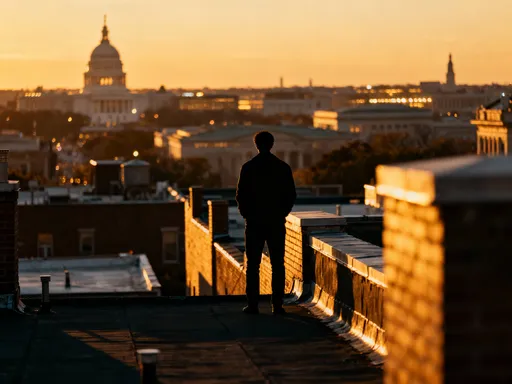
One such spot is a mid-rise office building near Mount Vernon Square, where the elevator opens to a softly lit atrium with a glass wall facing east. From here, the U.S. Capitol dome glows in the evening light, framed by the silhouettes of surrounding rooftops. Another is a residential-turned-hotel in Shaw, where the rooftop lounge, accessible during certain hours, offers a 360-degree panorama of the city’s illuminated spires and distant monuments. These locations aren’t advertised on travel sites, but they deliver views rivaling any paid observation deck.
Timing is key when visiting these rooftop retreats. Early evening, just after sunset, provides the ideal balance of natural twilight and city lights. Weekdays are generally quieter, and many of these spaces are best experienced in solitude. Unlike commercial observation decks, they lack amenities—no gift shops, no restrooms, no guided tours—but that’s part of their charm. The absence of infrastructure reminds visitors that they’ve stumbled upon something genuine, something not built for spectacle but preserved for quiet appreciation.
Parks That Frame the City Differently
Washington is known for its grand parks—Rock Creek, West Potomac, and the National Mall—but some of the most poetic skyline views come from smaller, elevated green spaces tucked into residential neighborhoods. Meridian Hill Park, located along 16th Street NW, is one such gem. Built on a steep hill, it features a cascading fountain and a series of terraced levels that open to panoramic views of the city’s northern reaches. From the upper benches, the Washington Cathedral rises in the distance, its Gothic spires blending with the tree canopy and skyline.
Fort Reno Park in Tenleytown offers another understated but powerful vantage point. Once a Civil War-era fort, the park now serves as a neighborhood green with one of the highest elevations in the District. On clear days, the view stretches from downtown skyscrapers to the distant Virginia hills. In autumn, the surrounding trees burst into color, framing the city in gold and crimson. In spring, cherry blossoms from nearby plantings add soft pink accents to the urban horizon. These seasonal shifts make repeat visits rewarding, each season offering a new interpretation of the same view.
What sets these parks apart is their integration into daily life. Unlike tourist-heavy areas, they’re frequented by dog walkers, joggers, and parents with strollers. This local presence adds warmth and authenticity to the experience. A bench in Fort Reno isn’t just a place to take a photo—it’s where someone reads a book, where friends meet for coffee, where a musician plays guitar on a summer evening. These moments of ordinary life, set against a sweeping skyline, create a deeper emotional resonance than any postcard could capture.
Waterfront Perspectives Along the Anacostia and Georgetown
The Potomac River draws most waterfront attention, but quieter, more reflective views await along the Anacostia Riverwalk Trail and the less-trafficked edges of Georgetown. The Anacostia, long overlooked, has undergone significant revitalization in recent years. Its paved trail now connects neighborhoods from Nationals Park to Kenilworth, offering cyclists and pedestrians a linear park with surprising skyline vistas. Near the 11th Street Bridges, the trail curves to reveal a low-angle view of the Capitol dome, mirrored perfectly in the river’s still waters at dawn.
Further north, near the intersection of the Anacostia and Watts Branch, the trail passes through shaded groves that open suddenly to sweeping cityscapes. These moments of contrast—dark tree cover giving way to bright, open horizons—create a cinematic effect. The reflections on the water add depth and symmetry, turning the skyline into a living painting. Because this area sees fewer visitors than the Tidal Basin or Georgetown Waterfront Park, it retains a sense of discovery. Birdwatchers, anglers, and local families often have these stretches to themselves, making them ideal for peaceful contemplation.
On the Potomac side, Georgetown’s outer edges—particularly near the Dalecarlia Reservoir and the northern end of the C&O Canal—offer quieter alternatives to the bustling M Street waterfront. Here, the river bends gently, and the city skyline appears in fragments: a flash of the Washington Monument between trees, the curve of a bridge lit at night. These partial views invite imagination, allowing the mind to piece together the city like a puzzle. The sound of water, the rustle of leaves, and the distant hum of traffic create a sensory tapestry that enhances the visual experience.
Elevated Walkways and Urban Trails
Washington’s network of urban trails does more than connect neighborhoods—they double as scenic overlooks for those who know where to look. The Metropolitan Branch Trail, which runs from Union Station to Fort Totten, includes several elevated sections that rise above street level, offering unexpected views of train yards, historic row houses, and distant government buildings. At sunrise, when the city is still waking, these stretches are nearly empty, and the light filters through the trees in golden beams, illuminating the path ahead.
Another hidden gem is the boardwalk through Kenilworth Park & Aquatic Gardens. Best known for its lotus ponds in summer, the park also features a wooden walkway that extends into a marshy area with clear sightlines to the Anacostia River and beyond. From this vantage, the city feels both close and distant—its skyline softened by mist in the early morning, its noise muffled by reeds and birdsong. The contrast between natural serenity and urban presence is striking, reminding visitors that Washington is as much a city of wetlands and wildlife as it is of monuments and meetings.
Safety and accessibility vary along these routes, so planning is essential. Well-lit sections near major intersections are best for evening walks, while more remote stretches are ideal in daylight. Most trails are paved or compacted gravel, making them accessible to strollers and wheelchairs. Signage is minimal in some areas, so carrying a map or using a navigation app is recommended. But the lack of overt tourism infrastructure is precisely what makes these paths special—they’re designed for use, not display, and that authenticity enhances the experience.
Why These Spots Matter Beyond the Photo
It’s easy to reduce travel to a series of photographs—a checklist of landmarks captured and shared. But the hidden viewpoints of Washington offer something deeper: a chance to slow down, to listen, to feel the city rather than just see it. Standing on a quiet rooftop at dusk, watching the lights flicker on across the Mall, one doesn’t just observe the city—they become part of its rhythm. These moments of stillness, sandwiched between the usual pace of sightseeing, create lasting memories.
There’s an emotional weight to discovering a place that feels like yours alone, even if others have been there before. It’s the difference between visiting a monument and having a conversation with a city. These hidden spots encourage mindfulness. They prompt questions: Who lives in those buildings? What stories do these streets hold? How does the city change with the seasons? Such reflections deepen the travel experience, transforming it from passive observation to active engagement.
Moreover, these places remind us that wonder doesn’t require grandeur. A bench in a small park, a glance from a quiet street corner, a moment on a riverside trail—these can be just as powerful as any famous landmark. They teach travelers to look closer, to wander without a map, to trust their curiosity. In doing so, they restore a sense of adventure to urban exploration, proving that even in a well-documented city, mystery still exists.
How to Find Your Own Hidden Gems
Discovering secret viewpoints isn’t about luck—it’s about intention. Start by talking to locals. Baristas, bookstore clerks, and park rangers often know the best quiet spots, even if they’re not listed online. A simple question—“Where do you go to watch the sunset?”—can lead to unexpected answers. Many of Washington’s best views are shared in whispers, passed from neighbor to neighbor, not marketed to tourists.
Topographic maps are another valuable tool. Since elevation determines visibility, identifying high points in the city can reveal potential lookouts. Neighborhoods like Tenleytown, American University Park, and parts of Capitol Hill sit on natural ridges that offer panoramic views. Exploring the edges of these areas, especially where residential streets meet open spaces, can lead to hidden overlooks. Satellite imagery can help spot clearings, benches, or open rooftops that aren’t visible from the ground.
Walking or biking without a fixed destination also increases the chances of discovery. Some of the most memorable views come from getting slightly lost—turning a corner and suddenly seeing the city unfold below. However, exploration must be respectful. Trespassing, climbing fences, or entering restricted areas is never acceptable. The joy of finding a hidden spot lies in stumbling upon it legally and ethically, not in breaking rules.
Finally, patience and repetition matter. A street that seems ordinary in daylight might glow with golden light at sunset. A park that feels crowded on weekends might be serene on a weekday morning. Returning to the same place at different times reveals new layers. The best hidden gems aren’t always the most dramatic—they’re the ones that feel right, the ones that invite you to stay a little longer, to breathe a little deeper, to see the city with fresh eyes.
Washington, D.C. is more than its monuments. It’s a city of quiet corners, unexpected vistas, and personal discoveries. The hidden skyline spots—those rooftops, parks, trails, and waterfronts known mostly to locals—are not just places to see the city. They are invitations to connect with it. In a world that often prioritizes speed and spectacle, these quiet moments of observation remind us that the heart of travel lies not in checking off destinations, but in being present. So step off the beaten path. Look beyond the guidebooks. Let curiosity be your compass. The capital’s best views aren’t always marked on maps—but they’re waiting, just out of sight, for those willing to look.