Soul on Fire: How Art Comes Alive in Salalah’s Festivals
You know what? I never expected a city to blend art and celebration so beautifully—until I witnessed Salalah’s festivals. This isn’t just about music and colors; it’s culture breathing through creativity. From handwoven textiles to traditional dance, every moment feels like a living canvas. The air hums with rhythm, the streets glow with craftsmanship, and the mountains seem to lean in, listening. If you're craving an authentic, artistic escape, this is it. Trust me, Salalah doesn’t just host festivals—it becomes one. Here, art is not displayed behind glass; it’s lived, worn, danced, and shared with open hearts.
The Spirit of Salalah: Where Nature Meets Cultural Expression
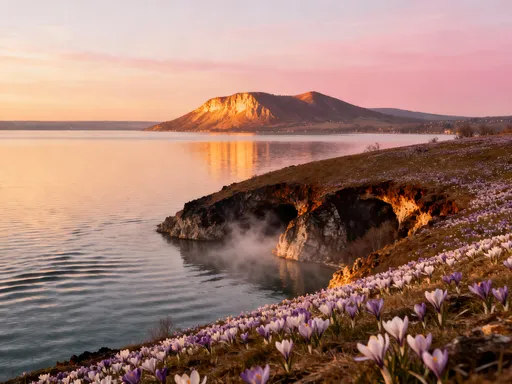
Salalah, nestled in Oman’s Dhofar region, undergoes a breathtaking transformation each summer during the khareef season. As monsoon mists roll in from the Arabian Sea, the usually arid landscape bursts into emerald green. Wadis glisten with fresh streams, mountain slopes bloom with wildflowers, and cool breezes replace the desert heat. This natural reawakening sets the stage for something extraordinary: a cultural blossoming that mirrors the land’s own revival. The city becomes a living theater where nature and human expression intertwine in perfect harmony.
It is no accident that Salalah’s most vibrant artistic expressions emerge during this season. The cooler climate invites outdoor gatherings, open-air performances, and community celebrations that would be impossible in the scorching heat of other months. The lush environment does more than provide comfort—it inspires. Artists draw from the colors of the mist-covered hills, the sound of rain on palm leaves, and the scent of damp earth after a rare downpour. These elements are not merely background; they are woven into the fabric of the art itself. A dancer’s movement may echo the sway of trees in the wind; a weaver’s pattern might reflect the flow of a mountain stream.
During the Salalah Tourism Festival, the city pulses with creative energy. Public spaces become stages, marketplaces turn into galleries, and homes open their doors to visitors eager to experience Omani culture firsthand. Traditional Omani architecture—low-rise buildings with carved wooden doors and wind towers—frames these experiences, grounding them in authenticity. The fragrance of burning frankincense drifts through the air, mingling with the distant beat of drums and the laughter of children. This is not a curated tourist show; it is a genuine expression of life, where art is inseparable from daily existence.
The relationship between landscape and culture in Salalah is deeply rooted in history. For centuries, the region has been a crossroads of trade, connecting Arabia with East Africa and South Asia. This heritage is visible in the diversity of artistic influences—from Swahili rhythms to Indian textile techniques—all adapted and refined over time into something uniquely Omani. The natural beauty of the khareef season amplifies this sense of connection, making Salalah not just a destination, but a feeling. To walk through its streets during the festival is to step into a world where art is not separate from life, but an essential part of it.
The Salalah Tourism Festival: A Living Gallery of Omani Heritage
At the heart of Salalah’s cultural calendar is the annual Salalah Tourism Festival, held primarily in July and August. Far from a typical tourist fair, this event functions as a dynamic, immersive exhibition of Omani heritage. It brings together artisans, performers, storytellers, and food makers from across the Dhofar region and beyond, creating a living gallery where tradition is not preserved behind glass but practiced in real time. Visitors don’t just observe—they participate, touch, smell, and even create alongside master craftsmen.
One of the festival’s most captivating features is its artisan souks. Here, local craftsmen display handcrafted silver jewelry adorned with intricate filigree work, each piece reflecting centuries of skill passed down through families. Nearby, woodworkers carve frankincense boxes from aromatic sandalwood and rosewood, their tools moving with precision honed by years of practice. These boxes are more than decorative objects—they are functional vessels for one of Oman’s most treasured exports, frankincense, which has been traded along this coast for over 5,000 years.
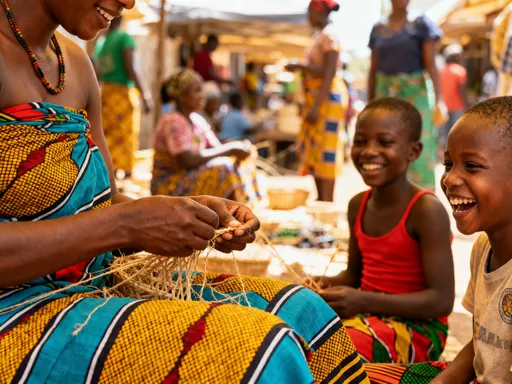
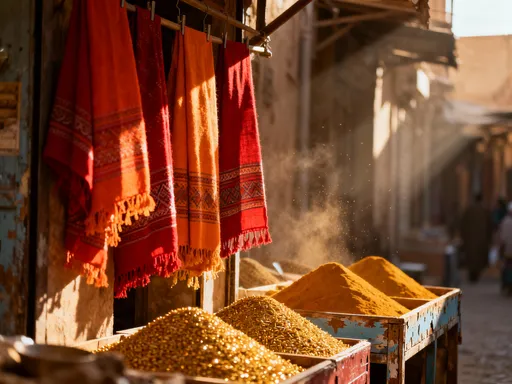
Textile arts take center stage at the festival, particularly the traditional al-sadu weaving technique. Women sit at wooden looms, their hands moving rhythmically as they create geometric patterns in bold reds, blacks, and whites. These textiles are used for everything from tent decorations to camel trappings, and each design carries symbolic meaning—protection, prosperity, or tribal identity. Visitors are often invited to try their hand at weaving, guided by patient elders who explain the significance of each thread. This intergenerational exchange is one of the festival’s quiet triumphs, ensuring that these skills do not fade with time.
Storytelling is another vital component of the festival experience. In shaded tents, elders recount folktales of desert journeys, sea voyages, and ancient kings, their voices rising and falling like the rhythms of a poem. Children gather around, eyes wide, as legends come alive under the soft glow of lanterns. These stories are not mere entertainment; they are oral histories that preserve values, wisdom, and collective memory. The festival ensures that these narratives remain part of everyday life, rather than being relegated to books or museums.
What sets the Salalah Tourism Festival apart is its emphasis on authenticity. There are no mass-produced souvenirs or staged performances designed solely for tourists. Instead, everything on display is rooted in real practice, real livelihoods, and real community. When you buy a piece of jewelry or watch a dance, you are engaging with a tradition that continues to thrive. The festival does not recreate culture—it celebrates it as it exists today, vibrant and evolving.
Traditional Dance as Performance Art: Rhythm, Costume, and Meaning
Among the most powerful expressions of art at Salalah’s festivals are the traditional dances, which transform movement into storytelling. These are not performances in the Western sense—choreographed for applause—but embodied rituals that convey history, values, and identity. Every gesture, step, and chant carries meaning, passed down through generations with care and pride.
The razha dance is perhaps the most iconic. Performed by rows of men dressed in crisp white dishdashas and red-checkered mussar headwear, it combines synchronized footwork with the rhythmic clashing of swords. The dancers move in unison, their bodies swaying like waves, their voices rising in poetic chants that speak of honor, unity, and historical victories. The sound of the drums—deep, steady, and resonant—drives the pace, creating a hypnotic effect that draws in onlookers. Watching a razha performance is not passive; it stirs something deep within, a recognition of shared human values expressed through disciplined grace.
Women’s dances, while less widely known internationally, are equally rich in symbolism and artistry. The al-ayyalah dance, for example, features women in long, flowing dresses adorned with golden necklaces and henna-decorated hands. They stand in a circle, clapping in complex rhythms while singing songs that celebrate marriage, fertility, and community bonds. Unlike the martial energy of the razha, al-ayyalah exudes warmth and intimacy, reflecting the central role of women in preserving cultural continuity.
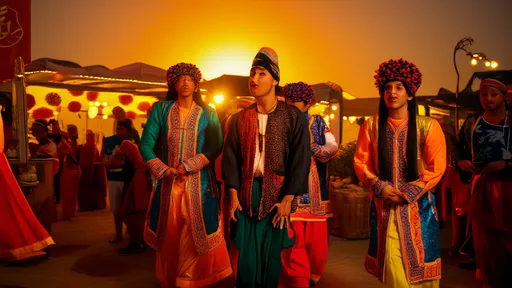
Costumes play a crucial role in these performances, serving as visual narratives in themselves. The white dishdasha worn by men symbolizes purity and simplicity, while the red and white mussar reflects regional identity. Jewelry, embroidery, and accessories often indicate tribal affiliation or social status. Even the way a scarf is tied can convey meaning. These details are not arbitrary; they are part of a visual language that connects the present to the past.
What makes these dances truly artistic is their integration of multiple forms: music, poetry, costume, and movement. They are not isolated performances but holistic expressions of culture. Today, younger generations are learning these dances in schools and community centers, ensuring that they remain alive. Some troupes have even begun incorporating subtle modern elements—like new musical arrangements—while respecting the core traditions. This balance between preservation and evolution is key to the enduring power of Salalah’s dance heritage.
Music and Soundscapes: The Sonic Palette of Celebration
Sound is the invisible thread that weaves through every aspect of Salalah’s festivals. From the early morning call to prayer echoing across the hills to the late-night drum circles in public squares, music defines the rhythm of life during the khareef season. The sonic landscape of Salalah is rich and layered, drawing from centuries of cultural exchange while maintaining a distinctly Omani character.
Traditional instruments form the backbone of this soundscape. The tanbura, a six-stringed lyre with a resonant wooden body, produces deep, meditative tones often used in spiritual and healing ceremonies. The mizmar, a double-reed wind instrument similar to an oboe, delivers sharp, piercing melodies that cut through the night air during festive processions. Drums like the tabl and daff provide the heartbeat of celebrations, their rhythms varying from slow and ceremonial to fast and jubilant depending on the occasion.
One of the most distinctive features of Salalah’s music is its linguistic diversity. Poetic recitations are often delivered in the Khareef dialect of Arabic, a softer, more melodic variant influenced by ancient South Arabian languages. These poems, known as huda, were traditionally sung by caravaneers during long desert journeys and now form the lyrical core of many festival songs. Themes range from love and longing to praise for nature and faith, all delivered with a cadence that feels both ancient and immediate.
In recent years, a new generation of musicians has begun blending traditional sounds with contemporary genres. Fusion bands now perform at the festival, combining tanbura melodies with acoustic guitar, or layering mizmar tunes over electronic beats. While purists may raise eyebrows, these experiments are generally welcomed as long as they honor the source material. The key is respect—innovation without erasure.
For visitors, engaging with Salalah’s music goes beyond listening. Many events invite participation, whether through clapping along to a rhythm, joining a circle dance, or even trying a simple tune on a daff drum. This inclusivity reflects a broader cultural value: art is not for elites or experts, but for everyone. The sound of Salalah is not just heard—it is felt in the chest, moved with in the body, and remembered in the soul.
Street Art and Public Installations: Modern Expressions in Ancient Spaces
While deeply rooted in tradition, Salalah is not frozen in time. The city has embraced contemporary art forms as a way to engage younger generations and spark dialogue about cultural identity. Murals, sculptures, and interactive installations now appear throughout public spaces, creating a dynamic conversation between past and present.
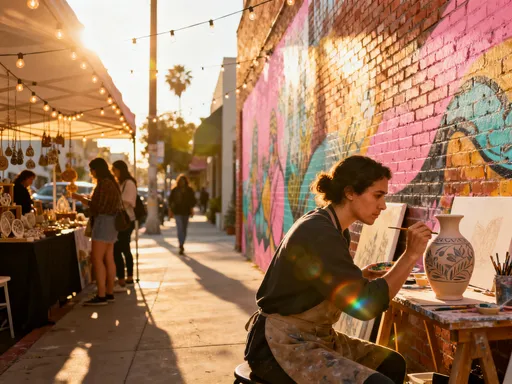
One of the most striking examples is the series of murals painted on the walls of old souk buildings. These large-scale artworks depict scenes from Omani history—the frankincense trade, dhow sailing, pearl diving—rendered in vibrant colors and modern styles. Some incorporate calligraphy, blending Arabic script with abstract shapes. Others use photorealistic techniques to bring ancestors’ faces to life, creating a powerful sense of continuity. These murals are not merely decorative; they serve as visual reminders of where the community comes from and who it is today.
Sculptures made from recycled materials also dot the cityscape. Artists have crafted stunning pieces from old fishing nets, scrap metal, and even discarded incense containers. One notable installation features a life-sized dhow boat made entirely from woven fishing nets, symbolizing both maritime heritage and environmental awareness. Another displays a series of stone carvings embedded with mirrors, reflecting the sky and passersby, inviting viewers to see themselves as part of the story.
These public artworks are especially meaningful for youth, who may feel disconnected from traditional forms. By using modern techniques and relevant themes—identity, sustainability, globalization—artists create entry points into cultural conversation. A teenager taking a selfie in front of a mural may not realize they are engaging with history, but the image sticks, planting a seed of curiosity.
The city’s approach to public art is thoughtful and inclusive. Projects are often community-driven, with local schools and art groups invited to contribute. This ensures that the art reflects authentic voices rather than outside interpretations. At the same time, strict guidelines preserve the dignity of sacred symbols and historical figures. The result is a balanced urban canvas where innovation enhances, rather than overshadows, tradition.
Culinary Arts: Flavor as Cultural Storytelling
In Salalah, food is not just sustenance—it is memory, identity, and artistry served on a plate. The culinary traditions of the Dhofar region are deeply tied to the land and sea, shaped by centuries of agriculture, trade, and hospitality. During the festival season, kitchens become stages, and cooking becomes performance, transforming meals into multisensory experiences.
One of the most beloved dishes is shuwa, a labor-intensive specialty that embodies patience and celebration. Lamb or goat is marinated in a blend of spices—cumin, coriander, garlic, and dried lime—then wrapped in banana leaves and slow-cooked in an underground sand oven for up to 48 hours. The result is meat so tender it falls apart at the touch, infused with smoky, aromatic flavors. Preparing shuwa is a communal event, often involving entire families or neighborhoods, reinforcing bonds through shared effort and anticipation.
Sweets also play a central role in Omani culinary art. Halwa, a dense, gelatinous confection made from rose water, saffron, and nuts, comes in rainbow layers that delight the eye as much as the palate. Each region has its variation, but in Salalah, it is often flavored with local honey and cardamom. Making halwa is an art passed from mother to daughter, requiring precise timing and temperature control. Watching an elder stir the mixture in a large copper pot, adding ingredients by instinct, is like witnessing a ritual.
Dates, another staple, are presented with pride. Plump, glossy khalas dates are served plain or stuffed with almonds, cheese, or even foie gras in modern interpretations. They are not just snacks but symbols of generosity—offered to guests upon arrival as a gesture of welcome. The date palm itself is revered, often called the “tree of life” for its many uses, from shade to building materials.
Cooking demonstrations during the festival turn food into education. Elders teach young people how to grind spices by hand, knead dough for rahat bread, or prepare mahyawa, a fermented fish sauce unique to the southern coast. These sessions are more than lessons—they are acts of preservation. As global diets homogenize, such efforts ensure that Omani flavors remain distinct and cherished.
Practical Insights: How to Experience the Art Fully
To truly immerse yourself in the artistic soul of Salalah, timing and preparation are essential. The best period to visit is during the peak of the khareef season, typically late July to mid-August, when the festival is in full swing and the weather is at its most pleasant. Temperatures hover between 20–28°C (68–82°F), ideal for exploring outdoor venues, attending evening performances, and hiking in the nearby mountains.
Accommodation options range from budget guesthouses to mid-range hotels, with many located near Al Mughsail or the city center for easy access to festival sites. Booking in advance is recommended, as rooms fill quickly during the high season. For a more authentic experience, consider staying in a traditional Omani guesthouse, where hosts often share meals and stories with visitors.
Engagement is key to meaningful travel. Rather than simply observing, seek out guided cultural walks led by local experts. These tours often include visits to artisan workshops, where you can watch weavers, potters, and silversmiths at work—and even try your hand at a craft. Many artisans welcome conversation, and a simple question about their technique can lead to a deeper understanding of their art.
Dress modestly out of respect for local customs. Lightweight, loose-fitting clothing in neutral colors is both appropriate and practical in the humid climate. While credit cards are accepted in larger establishments, it’s wise to carry cash for small vendors in the souks, where handmade goods are often sold directly by the creators.
Plan your days wisely. Midday heat, though milder than in other parts of Oman, can still be tiring. Mornings are perfect for visiting wadis or attending craft demonstrations, while evenings come alive with music, dance, and food stalls. Don’t miss the nightly cultural performances at Al Mughsail Square, where troupes from across the region showcase their talents under the stars.
Most importantly, arrive with an open heart and a spirit of curiosity. The true masterpiece of Salalah is not any single artwork, but the people—their generosity, resilience, and pride in their heritage. When you sit with an elder weaving a khanjar sheath, or share a plate of shuwa with a family, you are not just a tourist. You are a witness to a living tradition, one that continues to evolve, inspire, and endure. Salalah doesn’t just celebrate art—it lives it, breathes it, and invites you to do the same.